

The Main Process Flow Of Pipette Glass Bottle
The production process of pipette glass bottles is generally as follows: the batches that meet the requirements prepared in the batching workshop are transported by the conveying equipment to the kiln head silo in the melting workshop, and then added to the glass kiln by the feeder, at about 1450 ℃ The molten glass is melted into molten glass at high temperature, and then the molten glass is supplied to the molding equipment (bottle making machine, etc.) through the feeding channel to make the required essential oil bottle products, and then passed through the bottle conveying, bottle pushing machine, etc. The product is sent to the annealing furnace for annealing to remove stress. After the quality of the product is inspected, the qualified essential oil bottle products are packed into storage and shipped out.
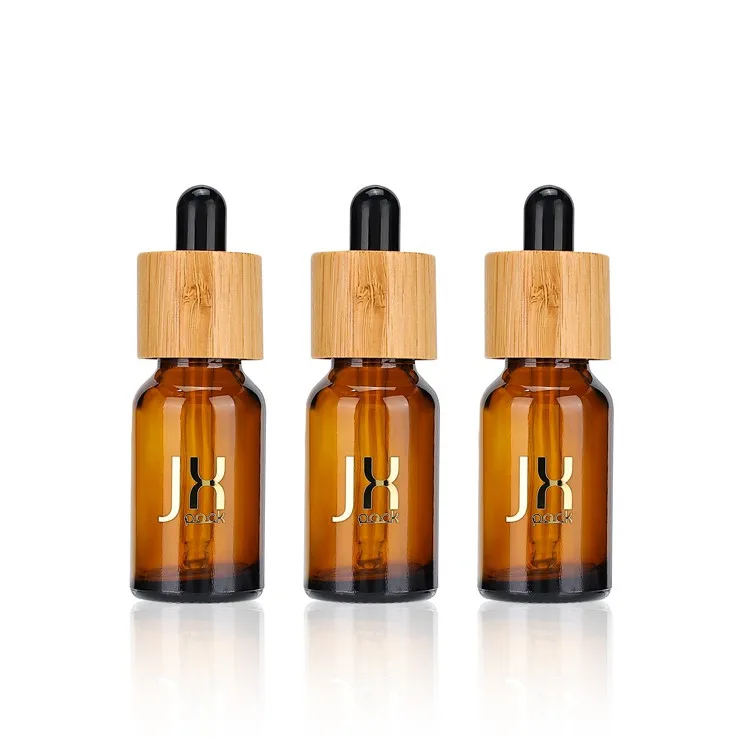
The production process of pipette glass bottle mainly includes:
1. Raw material preprocessing. Break the bulk raw materials, dry the wet raw materials, and remove iron from the iron-containing raw materials to ensure the glass quality of the pipette glass bottle.
2. Preparation of ingredients.
3. Melting. Glass bottle is a traditional pipette glass bottle packaging container, and glass is also a very historical packaging material. With many kinds of packaging materials flooding into the market, glass containers still occupy an important position in essential oil bottle packaging, which is inseparable from its packaging characteristics that cannot be replaced by other packaging materials. The glass batch is heated at a high temperature (1550~1600 degrees) in a pool kiln or pool furnace to form a uniform, bubble-free liquid glass that meets the molding requirements.
4. Forming. Put the liquid glass into the mold to make the glassware of the pipette glass bottle in the desired shape.
5. Heat treatment. Through annealing, quenching and other processes, the stress, phase separation or crystallization inside the glass material of the pipette glass bottle is cleaned or generated, and the structural state of the glass is changed.