Packaging Trap: Is Your Product Appearance Enough?
introduction:
In this era of "appearance is justice", exquisite packaging design is undoubtedly an important magic weapon for products to win the market. It is like a business card, a silent salesman, directly affecting consumers' purchasing decisions. "Packaging pitfalls: Is your product'appearance' good enough?" This seemingly simple question actually reveals the key role of packaging design in brand marketing. Excellent packaging design can accurately capture consumer psychology, stimulate the desire to buy, and establish an emotional connection between the brand and consumers. However, poor packaging design may backfire and make your product lose its luster in a highly competitive market. From the perspective of consumers, this article will explore in depth how packaging design affects consumers' cognition, emotions and behaviors, help you avoid common "pitfalls" in packaging design, create truly touching packaging, and make your product's "appearance" and value fly together.
Packaging design: "conquering" from the perspective of vision
Vision is the main channel for humans to perceive the world. A successful packaging design must first be able to visually attract consumers and allow them to find your product at a glance among many competitors.
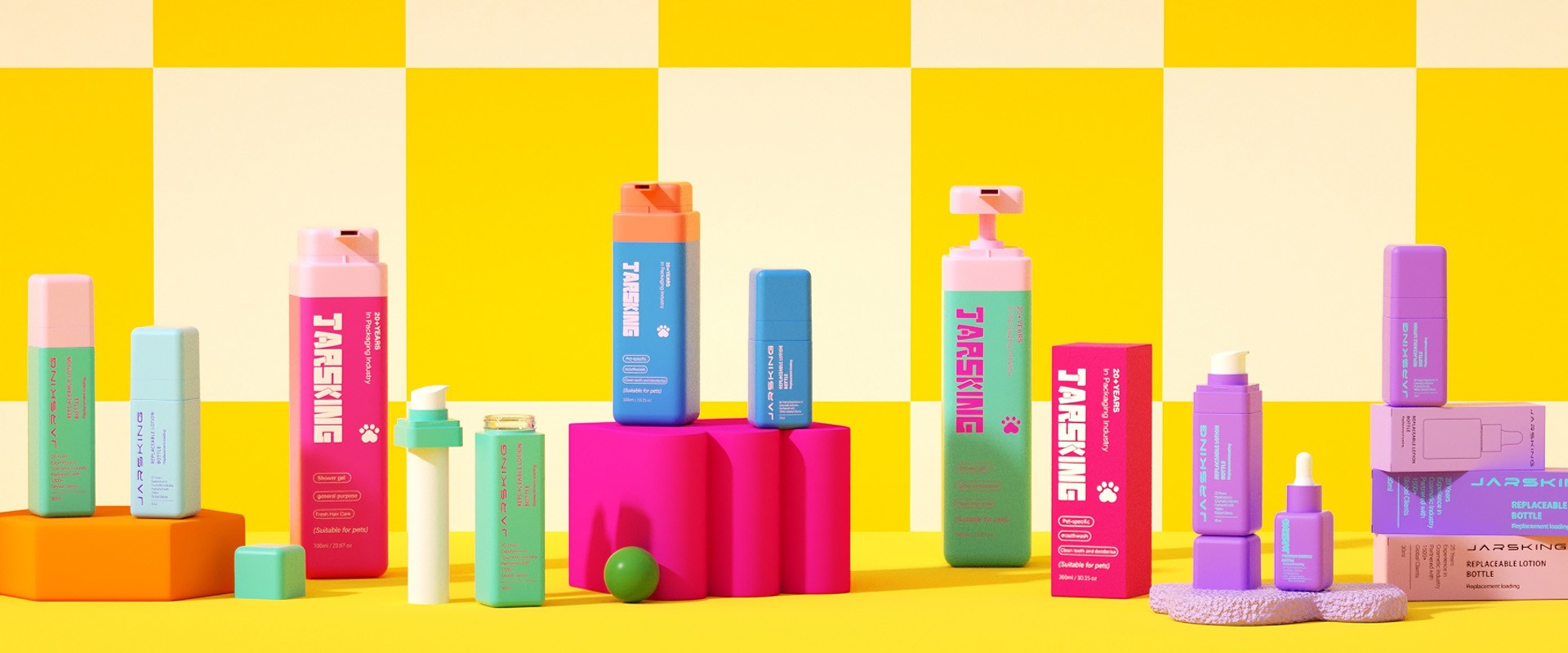
--Color strategy: Top brands often choose colors with brand recognition as the main colors, such as Tiffany's blue, Hermes' orange, Coca-Cola's red, etc. These colors not only have a strong visual impact, but also can refresh consumers' good memories of the brand.
--Layout design: Top brands focus on the simplicity and grandeur of layout design, avoiding excessive stacking of elements so that consumers can quickly obtain core information.
--Font selection: High-end brands often choose fonts that match the brand tone. For example, serif fonts are more elegant, while sans serif fonts are more modern.
--Material texture: Packaging materials with texture, such as glass, metal, and leather, are often the best choice for top brands because these packaging materials can enhance the grade and value of the product.

Tactile experience: Simply touch conveys the product texture
In addition to hearing, touch is also an important way for consumers to perceive products. Often, higher-end brands will pay more attention to the tactile experience of packaging, and through fine craftsmanship and high-quality materials, consumers can feel the quality of the product when touching the packaging.
--Surface treatment technology: Packaging is a "potential stock" with strong plasticity. Various surface treatment processes can be used to enhance the touch of the packaging, such as frosting, UV printing, hot stamping, embossing, etc.
--Structural design: The structural design of the packaging is related to the consumer's usage experience, such as the way the box is opened, the way the product is fixed, etc. If consumers can feel convenient and comfortable during use, they will often be more willing to pay for the product.
--Material selection: Top brands choose packaging materials that feel comfortable to the touch, such as soft paper, smooth leather, warm wood, etc.
Smell and hearing: creating a unique sensory experience
Although smell and hearing are not often used in packaging design, some brands also cleverly use these sensory elements to create a unique sensory experience for consumers.
--Smell: Some perfume brands will add special memories to the packaging, so that consumers can smell the fragrance of their beloved when they open the package, which will increase their favorability towards the product.
--Hearing: Some food brands will add special sound-making devices to the packaging so that consumers can hear a crisp sound when opening the package, which increases the fun.
Consumer psychology: the secrets behind packaging design
To create a successful packaging design, you first need to understand consumer psychology, that is, to study the psychological activities of consumers in the process of purchasing and using products. The following are some consumer psychology concepts that are closely related to packaging design:
--First impression effect: People tend to remember the first information they are exposed to more easily. In the purchasing scenario, packaging is the first point of contact between consumers and products, so the first impression is crucial. An eye-catching packaging can attract consumers' attention at the first time and leave a deep impression.
--Halo effect: A good impression of a thing will affect people's evaluation of other aspects of the thing. Exquisite packaging can enhance consumers' expectations of product quality, and even if the product itself has not changed, consumers will feel that the quality is better.
--Emotional appeal: When consumers buy products, they often do so not just out of rational needs, but more out of emotional needs. Packaging design can stimulate consumers' emotional resonance, such as nostalgia, warmth, romance, etc. through elements such as color, pattern, and text.
-- Herd mentality: People tend to follow the choices of the masses and believe that what is popular is good. Packaging design can cleverly use herd mentality, for example, by highlighting sales data, consumer reviews and other information to attract more consumers.
--Loss aversion: People perceive losses more strongly than gains. Packaging design can take advantage of loss aversion, for example, by emphasizing the scarcity of the product, limited edition, etc., to encourage consumers to buy as soon as possible.
Packaging: An Underrated Marketing Tool
For a long time, many companies have regarded packaging as a cost expenditure, ignoring its huge marketing potential. In fact, well-designed packaging can bring many benefits to the brand:
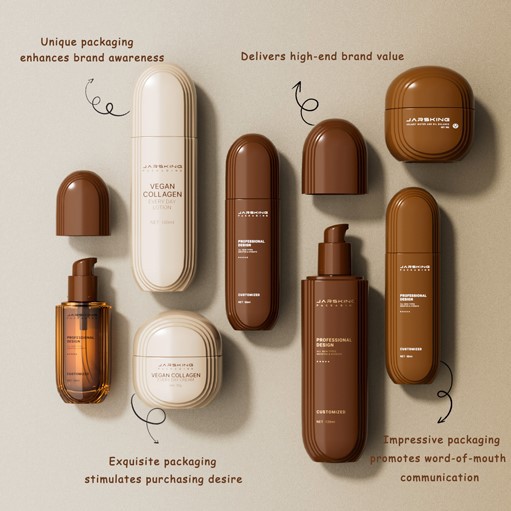
-- Improve brand awareness: Unique packaging design can help consumers quickly identify your brand and leave a deep impression in their minds. Think of Coca-Cola's curved bottle and Tiffany's blue gift box, which have become symbols of the brand.
--Convey brand value: Packaging design can convey the core value of the brand, such as high-end, fashionable, environmentally friendly, healthy, etc. Through elements such as color, material, pattern and text, it can show the brand's personality and attitude to consumers.
--Create emotional connection: Packaging can evoke emotional resonance in consumers, such as nostalgia, warmth, fun, etc. Tell stories and convey emotions through design to establish a deeper connection with consumers.
-- Stimulate purchasing desire: Exquisite packaging can stimulate consumers' purchasing desire, making them feel that the product is worth the money and willing to pay for it.
--Promote word-of-mouth communication: Impressive packaging can inspire consumers to share your products on social media, thereby expanding brand influence.

Case analysis of packaging design pitfalls: lessons and reflections
●Case 1: Packaging for the elderly of a health care product brand
· Problem: The packaging design is too traditional, with dull colors, small and blurry fonts, redundant information, and lack of appeal.
·Psychological analysis: It ignores the needs of the elderly for clear and easy-to-read information, as well as their emotional appeals for health, vitality, etc.
·Lesson: When designing packaging for a specific group of people, you must have a deep understanding of the psychological characteristics and needs of that group of people.
●Case 2: Excessive packaging of a snack brand on the Internet
·Problem: Over-packaging and excessive use of plastic materials lead to waste of resources and environmental pollution.
·Psychological analysis: It ignores modern consumers' emphasis on environmental protection and their aversion to excessive packaging.
·Lesson: Packaging design must comply with the concept of sustainable development and reduce resource consumption and environmental pollution.
●Case 3: Packaging plagiarism of a niche skin care brand
· Problem: The packaging design is copied from a well-known brand and lacks originality and recognition.
·Psychological analysis: It damages the brand image, reduces consumer trust, and may also lead to legal disputes.
·Lesson: Packaging design must adhere to originality, avoid plagiarism, and establish a unique brand image.
●Case 4: Misleading packaging information of a food brand
·Problem: False advertising of product efficacy on packaging, misleading consumers.
·Psychological analysis: It infringes on consumers' right to know, damages brand reputation, and may also be subject to legal sanctions.
·Lesson: Packaging information must be true and reliable, and must not contain false advertising or deceive consumers.
Decoding packaging design: designers' creative codes
An excellent packaging design is not happened overnight. it is the result of careful consideration and careful creation by designers. The following are the key factors that designers need to consider when doing packaging design:
--Target audience: Understand who your product is sold to? What is their age, gender, income, education, hobbies and consumption habits? Different target audiences will have different preferences for packaging.
--Brand positioning: What value does your brand want to convey? Is it high-end luxury, young fashion, healthy and environmentally friendly, or practical and convenient? The packaging design needs to be consistent with the brand positioning to effectively convey the brand value.
--Product Features: What is the unique selling point of your product? Is it the unique taste, superior quality, innovative functionality, or beautiful appearance? The packaging design needs to highlight the characteristics of the product so that consumers can see the advantages of the product at a glance.
--Competitors: Understand competitors' packaging designs, analyze their strengths and weaknesses, find differentiated design directions, and avoid blindly following trends.
--Budget constraints: Within the budget allowed, select the most appropriate materials and processes to achieve the best packaging effect.

Excellent packaging design case analysis: Designer's source of inspiration
●Aesop skincare products: Aesop's packaging design is known for being simple, low-key and environmentally friendly. The brown glass bottle and simple label design convey the brand's natural and healthy concept.
●Ben & Jerry's Ice Cream: Ben & Jerry's packaging design is colorful and rich in patterns, full of childishness and imagination. The lively design style is consistent with the brand's happy and innovative spirit.
●Absolut Vodka: The packaging design of Absolut Vodka is simple and classic. The transparent glass bottle and the iconic brand name make it stand out among many vodka brands.
Conclusion:
Packaging design is both an art and a science. It is not just the outer shell of a product, but also an important part of brand marketing. A successful packaging design can accurately capture consumer psychology, stimulate purchasing desire, and establish an emotional connection between the brand and consumers. "Packaging pitfalls: Is your product's appearance' good enough?" This question is worth pondering for every brand. Only by continuous learning and exploration can you create truly touching packaging, make your product stand out in the fierce market competition, and win the hearts of consumers. Let packaging become the silent salesman of your brand and add infinite charm to your product!