

Introduction Of Glass Bottle Production Process
Glass bottle is a traditional beverage packaging container in my country, and glass is also a very historical packaging material. With many kinds of packaging materials flooding into the market, glass bottle packaging still occupies an important position in beverage packaging, which is inseparable from its packaging characteristics that cannot be replaced by other packaging materials.
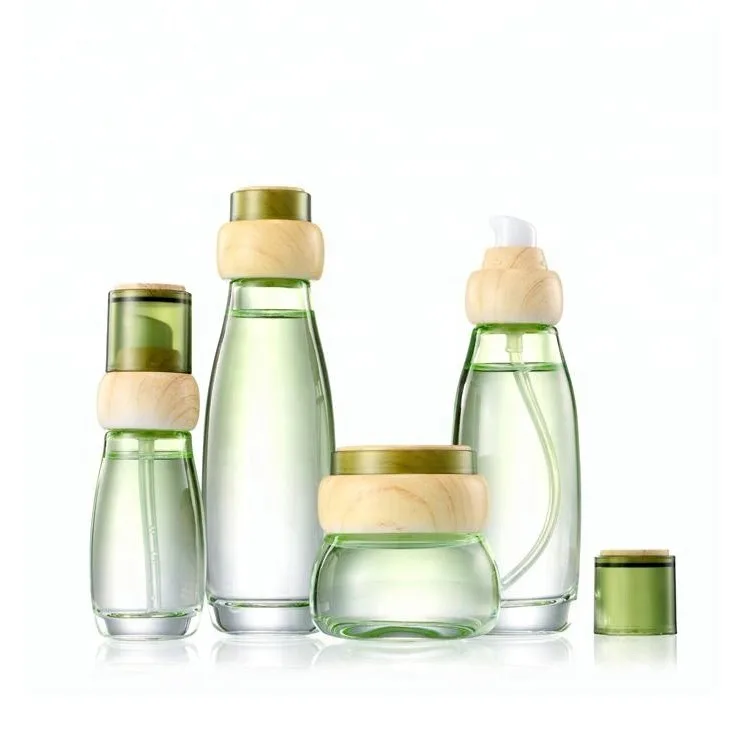
The main features of glass bottle packaging containers are: non-toxic, tasteless; transparent, beautiful, good barrier, airtight, abundant and common raw materials, low price, and can be used for multiple turnovers. And it has the advantages of heat resistance, pressure resistance and cleaning resistance, and can be sterilized at high temperature and stored at low temperature. Because of its many advantages, glass bottle packaging has become the packaging material for many beverages such as essential oil, skincare, and perfume.
71% of the world's cosmetics are filled in glass bottles, and China is also a country with a high proportion of glass bottles in the world, accounting for 55% of the world's glass bottles, more than 50 billion per year. Glass bottles, as the mainstream packaging, have experienced Cosmetic packaging has undergone great changes in the past century, but it is still favored by the cosmetics industry for its stable material structure, no pollution, and low price. "When companies want the packaging to have a beautiful appearance and give people a cool touch, glass Bottles are good packaging. In general, glass bottles are still the usual packaging for cosmetic bottles.” Made a huge contribution to cosmetic packaging, and most people love to use it.
The glass bottle production process mainly includes:
①Raw material preprocessing. The bulk raw materials (quartz sand, soda ash, limestone, feldspar, etc.) are crushed, the wet raw materials are dried, and the iron-containing raw materials are subjected to iron removal treatment to ensure the quality of the glass.
②Preparation of ingredients.
③Melting. The glass batch is heated at a high temperature (1550~1600 degrees) in a pool kiln or pool furnace to form a uniform, bubble-free liquid glass that meets the molding requirements.
④Molding. Put the liquid glass into the mold to make glass products of the required shape, such as flat plates, various utensils, etc.
⑤ Heat treatment. Through annealing, quenching and other processes, the stress, phase separation or crystallization inside the glass is eliminated or generated, and the structural state of the glass is changed.


