Comparison Between Glass Glass Grinding Process And Sandblasting Process
Sandblasting is a work that uses compressed air as power to push abrasives to the surface of the workpiece for treatment. This is called sandblasting, or what we often call shot peening. Because in the early days of shot peening, sand was the only abrasive that could be used, shot peening was called grit blasting at the time and for a long time thereafter. Sandblasting can achieve the desired cleanliness and a certain roughness of the surface to be cleaned, and improve the adhesion of the coating on the base surface. No matter how good the coating is, it cannot adhere to the workpiece surface without prolonged surface treatment. The purpose of surface pretreatment is to clean the surface and create the roughness required to "lock" the coating to the surface. After the surface of the workpiece after sandblasting is coated with an industrial coating with good performance, the service life of the coating is 3.5 times longer than that of the same quality coating on the surface treated by other methods. Another advantage of sandblasting (shot peening) is that the surface roughness can be predetermined on request and can be achieved during the cleaning process.
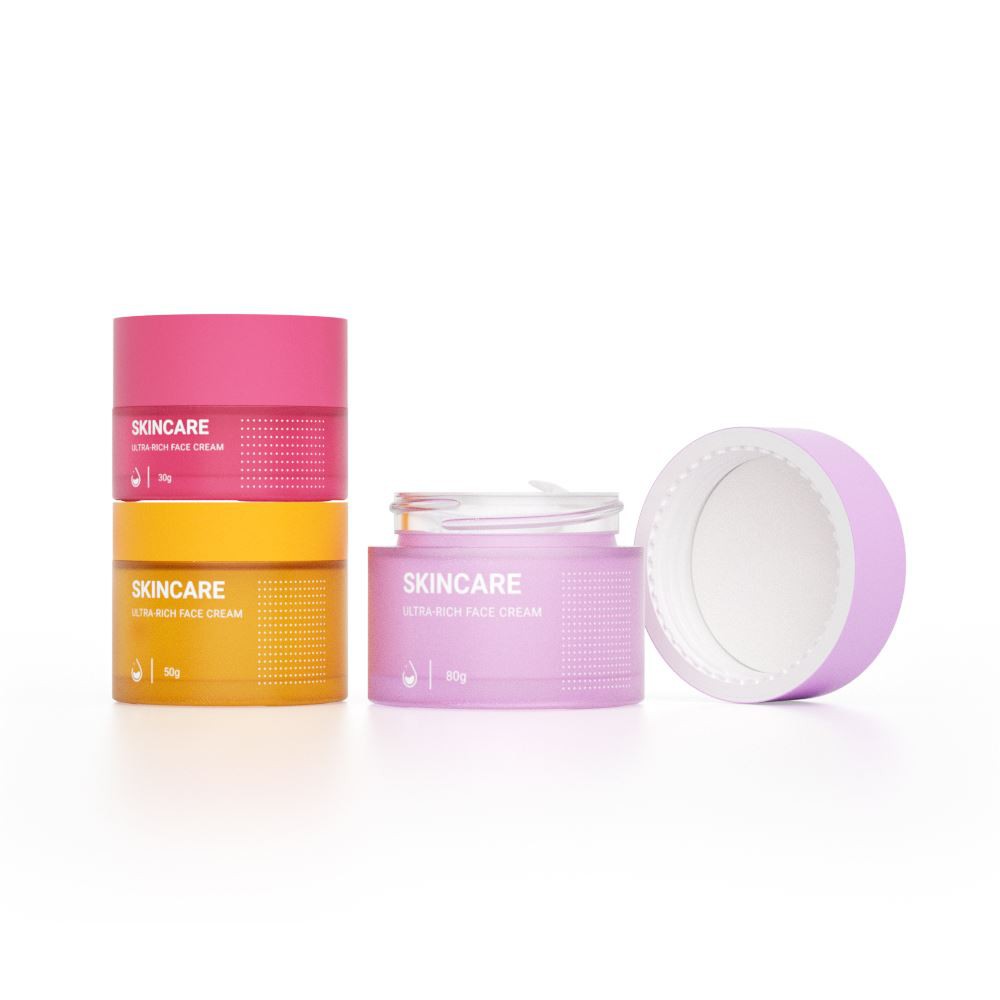
Frosting is a process in which glass bottles become smooth and matte, and the light shines on the surface to form a diffuse reflection. In chemical sanding, glass is mechanically or hand-ground with emery, silica sand, pomegranate powder, and other abrasives to create a uniformly rough surface, or glass and other objects can be treated with a hydrofluoric acid solution to create frosted glass.
Both frosting and sandblasting are used to cover the glass surface so that the light passes through the lampshade to form a relatively uniform dispersion. It is difficult for the average user to distinguish between the two technologies. The manufacturing methods for each of these two technologies and how to identify them are described below.
1. Scrub process
Frosting refers to immersing the glass in a prepared acidic liquid (or applying an acidic paste), etching the glass surface with strong acid, and the ammonium hydrogen fluoride in the strong acid solution causes the glass surface to form crystals. Therefore, if the frosting process is done well, the surface of the frosted glass is very smooth, and the crystals formed by scattering create a hazy effect. If the surface is relatively rough, this indicates that the acid is severely attacking the glass, or some of them are still crystal-free. The process is characterized by the appearance of shiny crystals on the surface of the glass formed under critical conditions. The main reason is that the ammonium hydrogen fluoride has reached the point where it is almost consumed. In order to achieve this state, many manufacturers have made many attempts and studies, but have not been able to overcome this difficulty.
2. Sandblasting technology
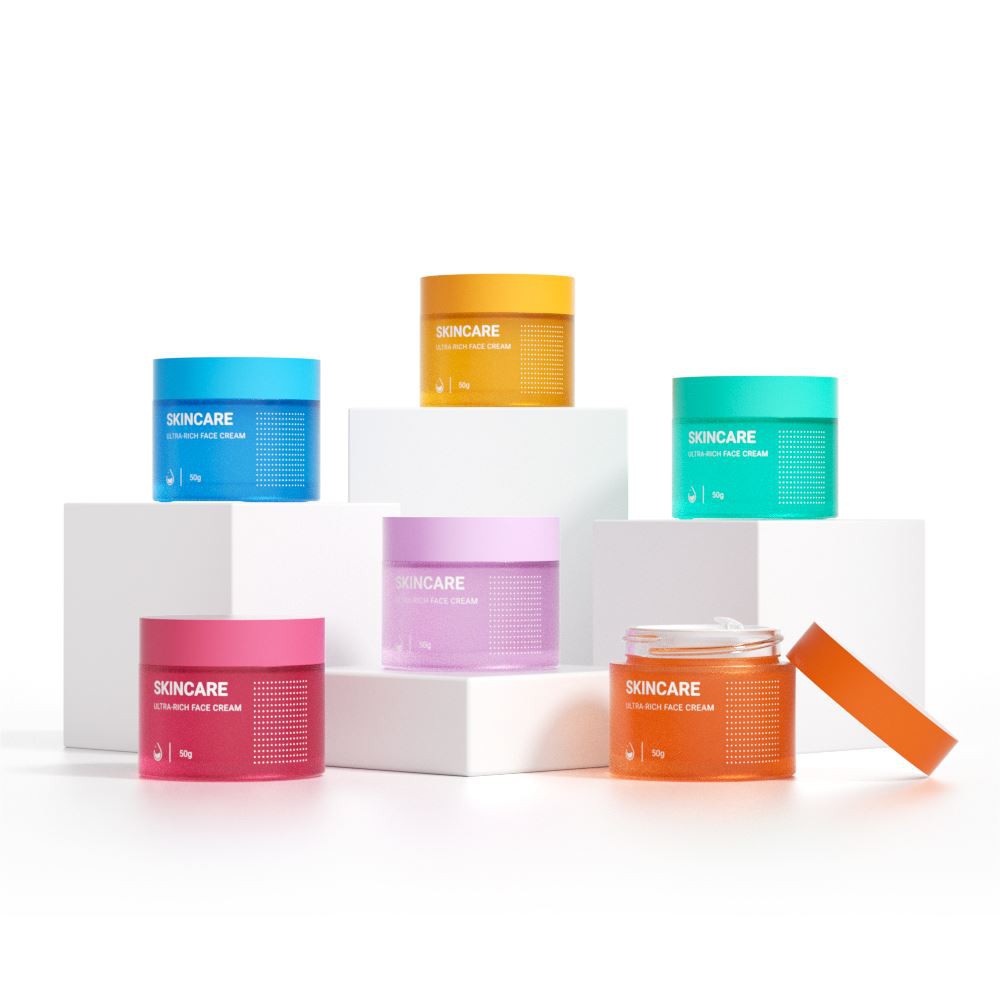
It uses the sand particles ejected at high speed from the spray gun to hit the glass surface to form a fine concave-convex surface, so as to achieve the effect of scattering light, creating a hazy feeling when the light passes through. The surface of glass products produced by sandblasting process is rough. Because the glass surface is damaged, it looks like white glass on the photosensitivity of the original clear glass.
The two processes are completely different. Frosted glass is more expensive than sandblasted glass, and the effect mainly depends on the needs of the user. Some unique glasses are not suitable for frosting. From the point of view of noble pursuit, you should choose frosted. The sandblasting process can be done in general factories, but the sandblasting process is not easy to do well.