Overcoming The Roadblocks To Recycled Packaging: Unleashing The Power Of PCR
As the world confronts the escalating twin crises of plastic pollution and climate change, brands, retailers, and packaging manufacturers face growing pressure to transition toward more sustainable packaging systems. Among the most promising strategies is the use of post-consumer recycled (PCR) materials-plastics that have been recovered from consumer waste streams and reprocessed into new packaging products. PCR allows companies to "close the loop" by giving discarded plastics a second life, significantly reducing reliance on virgin fossil fuel-based resins and lowering greenhouse gas emissions associated with material production.
While the promise of PCR is widely acknowledged, unlocking its full potential within the packaging sector is proving more complex than anticipated. The author recently investigated the application of PCR in the packaging field and found that although many packaging companies have made commendable strides in incorporating PCR into their materials-particularly with commonly used resins like polypropylene (PP) and polyethylene terephthalate (PET)-a number of consistent challenges continue to restrict broader adoption. Many manufacturers noted that from a technical standpoint, adding PCR is quite feasible and that the associated costs are generally manageable, particularly in high-volume formats like bottles, jars, and rigid containers.
Yet despite the technological viability, producers also reported that the overall order volume for PCR-inclusive packaging materials remains low, and that most of the demand originates from overseas markets where environmental regulations and consumer awareness are more advanced. Several companies pointed to the cosmetic issues associated with recycled plastics-specifically, the relatively dark color and the appearance of black specks embedded in the material-as a significant obstacle to domestic market acceptance. While international buyers often tolerate or even embrace these imperfections as a visible symbol of sustainability and environmental stewardship, many domestic clients perceive them as defects that compromise product quality and brand image.
This tension underscores a broader disconnect between the theoretical enthusiasm for sustainability and the practical realities of consumer expectations and purchasing behavior. After an initial wave of innovation and experimentation, many packaging firms believe the application of PCR has reached a bottleneck. While early efforts brought exciting breakthroughs, further growth has stalled due to market hesitance, inconsistent customer acceptance, and pricing pressure. Compounding the issue is the relatively high cost of premium-grade PCR, which can exceed the price of virgin plastic-especially in regions where oil prices are low or regulatory incentives are limited. In today's competitive market, where manufacturers must meet cost-reduction demands from downstream clients and retail partners, the elevated price of food-grade or high-purity PCR creates yet another barrier to scale.
Ultimately, while interest in PCR-based packaging continues to grow, the path forward is far from straightforward. Industry stakeholders must not only continue innovating in materials science and production efficiency but also work to align market perceptions, consumer expectations, and environmental responsibility. As technology improves and regulatory frameworks evolve, overcoming these challenges will be critical to fully realizing the environmental and economic potential of PCR in the packaging industry.
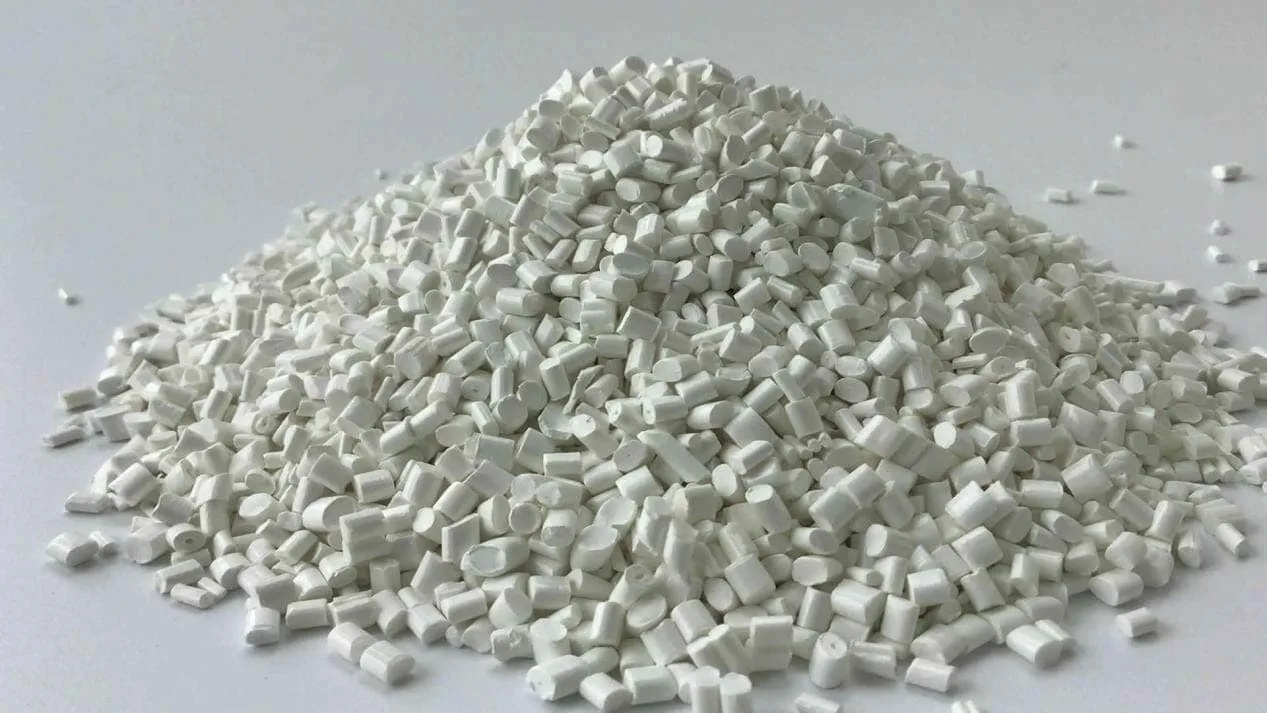
(PCR stands for Post-Consumer Recycled Material, which refers to plastics that are discarded after use and are recycled and processed. For example, plastic bottles, food boxes, plastic bags, yogurt cups, etc.)
The Environmental Case for Post-Consumer Recycled Packaging
To appreciate the surge in demand for PCR, you need to understand its environmental promise. Traditional packaging is largely built from virgin plastic, derived from petroleum through energy-intense processes that release significant greenhouse gases. In contrast, PCR repurposes waste already in circulation-injecting it back into the supply chain and keeping it out of landfills or oceans.
By cutting virgin resin usage, PCR packaging reduces carbon footprints considerably. Recycled PET, for instance, emits over 50% less carbon than its virgin counterpart and uses two-thirds less energy in production. Beyond emissions metrics, PCR supports the larger vision of a circular economy-where materials flow in closed loops, not one-way exits.
As brands face public scrutiny over environmental impacts, PCR fits into an arsenal of sustainable packaging strategies offering both measurable impact and storytelling potential.
What's Driving the Push Toward PCR?
Consumer behavior is shifting. Buyers increasingly seek out products with eco-labels, recyclable claims, or visibly sustainable packaging. Retailers are responding by urging suppliers to incorporate recycled content-and in many cases, retailers are introducing PCR mandates of their own.
Governments have also entered the scene, tightening regulations and introducing minimum recycled content laws. In California, for example, beverage bottles must contain at least 50% PCR by 2030, with steep penalties for noncompliance. European regulations are moving in the same direction. Brands that delay action will inevitably face pricing, supply chain, or reputational risks.
For multinationals like Unilever, Nestlé, and Coca-Cola, PCR is now a core component of global packaging commitments. These brands have committed to recycled content targets-some aiming for 50–100% PCR in key packaging lines within the next few years.
There's momentum-but now the real challenges set in.
A Look Under the Hood: Why PCR Isn't as Simple as It Sounds
At first glance, using recycled materials in packaging seems like a straightforward way to boost sustainability-but in practice, it's far more complicated. As brands ramp up their environmental commitments, they encounter real-world challenges that slow progress. Post-consumer recycled (PCR) plastics often vary in quality, with differences in color, strength, and clarity depending on the feedstock and recycling process. These inconsistencies can lead to unexpected production issues, particularly when packaging must meet strict performance or aesthetic standards. Supply is another barrier; high-quality PCR, especially food-grade PET or PP, is limited and expensive, often costing more than virgin resin. At the same time, existing processing equipment may require adjustments or upgrades to handle recycled material effectively. Brands also face regulatory hurdles with food contact safety, and customer perceptions-such as resistance to visual flaws like black specks-further complicate adoption. Ultimately, while the concept of using PCR is environmentally compelling, successful implementation requires navigating a complex landscape of material science, design trade-offs, compliance, and consumer expectations.
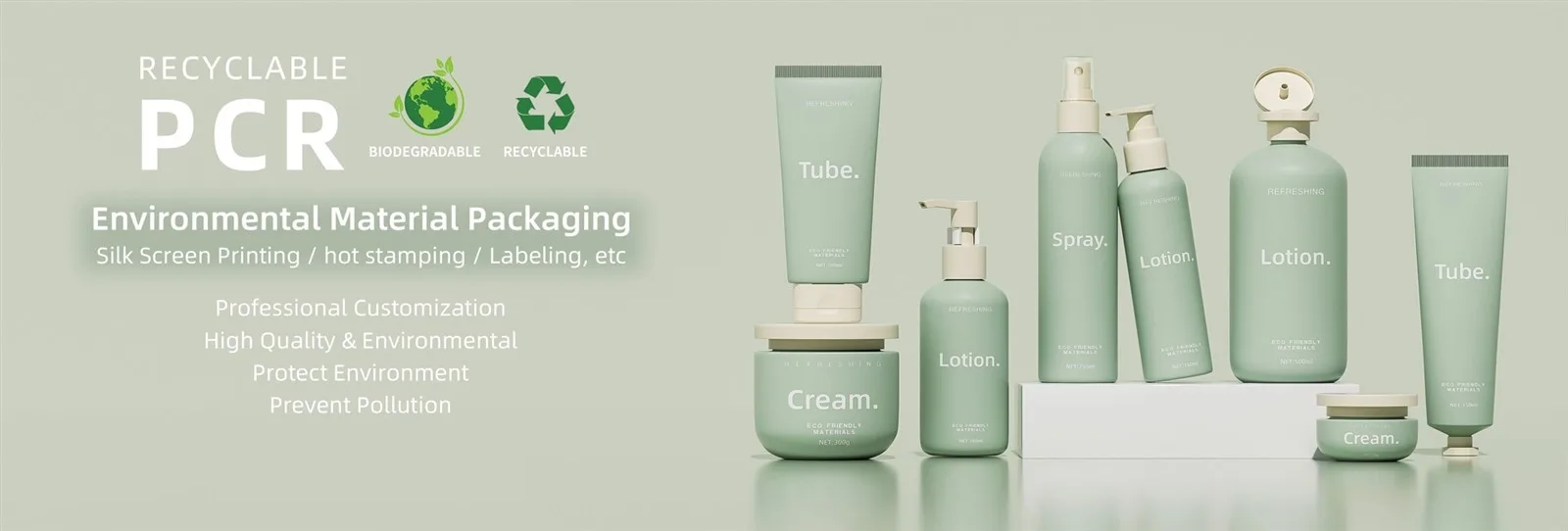
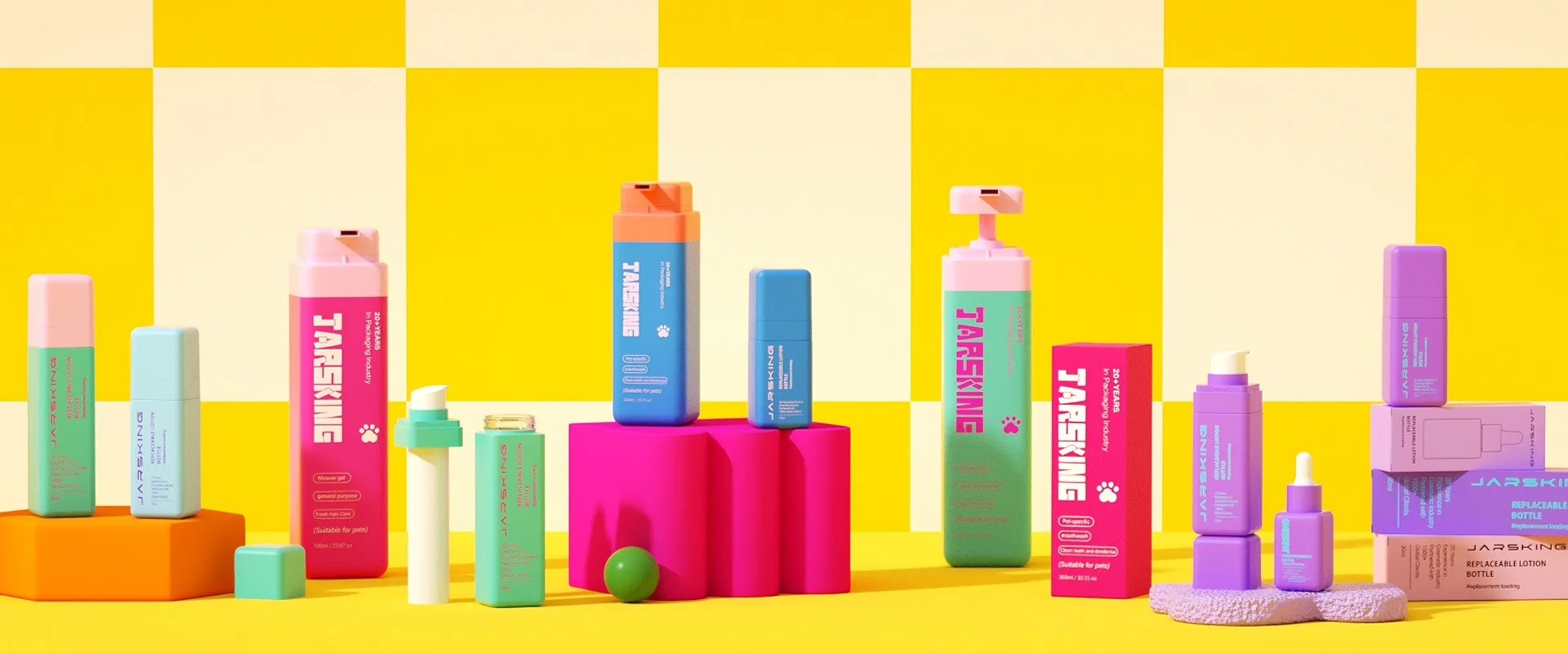
PCR cosmetic packaging
Quality: The Achilles Heel of PCR
Unlike virgin resins, which are engineered to consistent quality specifications, PCR originates from unpredictable waste streams. That variability shows up in:
●Color inconsistencies, which affect brand aesthetics.
●Fluctuating mechanical properties that impact performance.
●Impurities and contaminants, such as food residues, inks, or adhesives, which may limit usability-especially in food and beverage packaging.
Post-consumer recycled (PCR) plastics, unlike virgin resins, come from diverse waste streams with inconsistent composition. This results in noticeable color variations that can conflict with a brand's visual standards, especially for transparent or brightly colored packaging. More importantly, PCR materials often show uneven mechanical properties-such as reduced tensile strength or flexibility-which can affect packaging durability and performance. Contaminants like food residues, inks, or glue from prior use are common, particularly in mixed waste streams, making it difficult to meet hygiene and safety requirements for food-grade applications. These impurities can also interfere with polymer bonding during manufacturing, leading to defects or increased rejection rates. As a result, packaging made from PCR may not achieve the same level of clarity, barrier protection, or shelf stability as packaging made from virgin plastic. When performance is compromised, brands risk product damage, regulatory issues, or negative consumer reactions. This tension between sustainability goals and technical realities makes quality a key limiting factor in the widespread adoption of PCR materials across the packaging industry.
Supply: The Infrastructure Bottleneck
PCR isn't just scarce-it's unevenly available. Many recycling systems aren't sophisticated enough to sort, clean, and process plastics into resin suitable for reuse in consumer packaging. High-quality, food-grade PCR materials like recycled PET remain in especially tight supply.
As more companies compete for the same high-quality feedstocks, prices rise-sometimes exceeding those of virgin resin, particularly when oil prices drop. This volatility makes long-term adoption harder for cost-sensitive categories.
Compliance: Navigating the Regulatory Maze of PCR Use
Using post-consumer recycled (PCR) materials in packaging-especially for products that touch food, beverages, or pharmaceuticals-requires navigating a complex and often restrictive regulatory landscape. In the United States, the Food and Drug Administration (FDA) mandates that any recycled plastic used in direct food contact must come from a "No Objection Letter" (NOL)-approved process. This involves demonstrating that the recycling method can consistently remove contaminants that could pose a health risk. Similarly, the European Food Safety Authority (EFSA) strictly evaluates recycling processes for food-contact applications, with each PCR source and processing method requiring approval to ensure minimal chemical migration and adequate decontamination efficiency.
The challenge is compounded by the composition of PCR itself, which often contains unknown additives and residues from its previous life cycle. Without full traceability, it's difficult to confirm that these substances won't migrate into food or pharmaceutical products, making many batches unsuitable for sensitive packaging.
Even when PCR is used in secondary or non-contact layers, companies must still ensure compliance with labeling, traceability, and material separation requirements. Documentation must verify everything from the source of the recycled plastic to the certification of its reclaiming and reprocessing.
What's more, compliance frameworks differ greatly by region. While one country may approve a specific PCR process, another may not recognize it, creating logistical challenges for multinational brands. These regulatory variances-combined with the high cost and administrative burden of maintaining compliance-make PCR integration into certain packaging categories an ongoing operational challenge.
Performance and Production: Engineering Headaches
Most production equipment today is built for virgin resin. PCR brings processing challenges: different melting points, carrier flow, and contaminant profiles can degrade efficiency, tool life, or output quality.
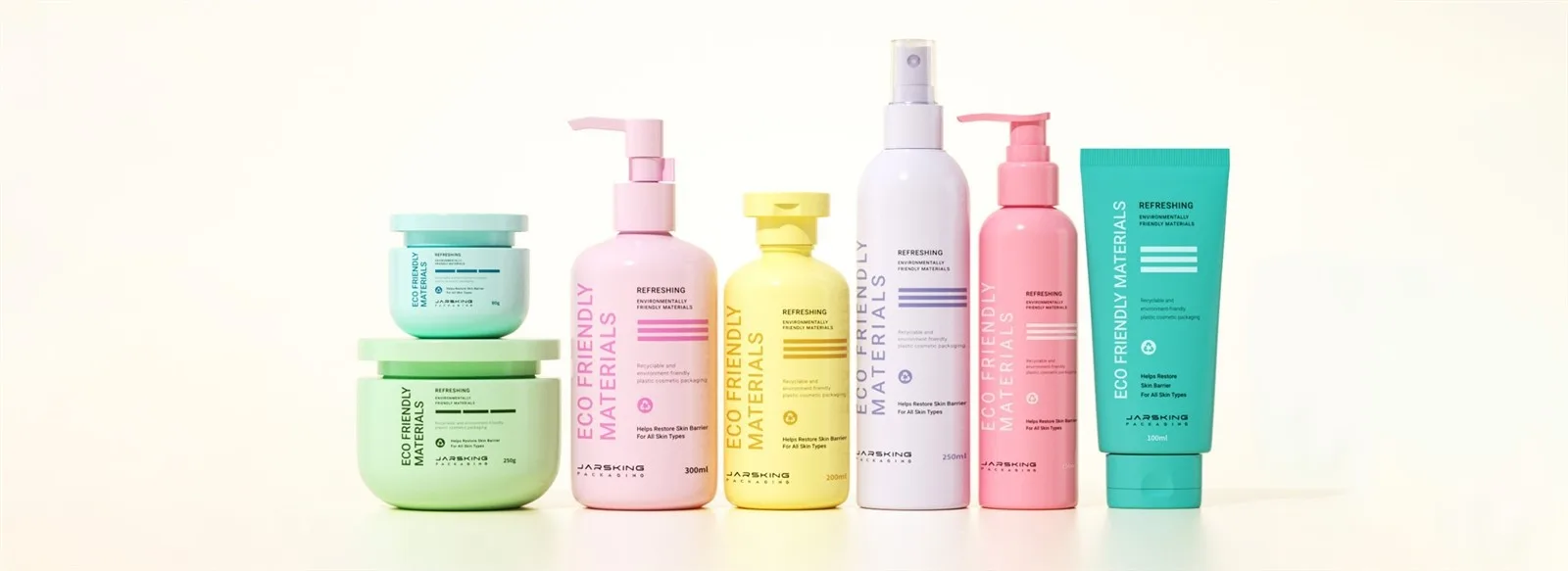
In the cosmetics industry, packaging not only serves a functional purpose but also plays a critical role in brand image, shelf appeal, and consumer perception. As a result, integrating post-consumer recycled (PCR) materials into cosmetic packaging presents unique challenges-chief among them being appearance, product compatibility, and material performance.
One of the most significant barriers is the visual quality of PCR. Compared to virgin resin, PCR materials often exhibit color inconsistencies, haze, and black specks-imperfections that conflict with the ultra-clear, high-gloss finishes typically required for premium skincare and beauty products. These visual flaws can undermine a brand's upscale positioning and reduce consumer appeal on the shelf.
Additionally, PCR's mechanical properties can pose limitations. For lightweight packaging forms like thin-walled jars, soft tubes, or fine mist sprayers, PCR may lack the strength, flexibility, or processability necessary to ensure consistent product performance. Variations in melt flow and resin quality can lead to processing inefficiencies, defects, or poor compatibility with decorative finishes like silk screening or metallic foils.
To address these issues, many cosmetic brands are turning to blended solutions-combining PCR with virgin resin to improve clarity and strength. Others are adopting multilayer structures, hiding PCR in non-visible internal layers while preserving a pristine outer appearance. Advances in cleaning and sorting technology are also helping suppliers deliver higher-grade PCR suitable for cosmetic applications. While challenges remain, ongoing material innovations and design adaptability are making it increasingly possible for brands to meet both their aesthetic standards and sustainability goals.
Smarter Sorting and Decontamination
Recycled packaging starts with well-sorted waste. That's improving thanks to new sensor-driven technologies using near-infrared (NIR) spectroscopy and AI-powered robotics to better identify and sort every polymer type.
Washing systems have also evolved. Modern decontamination loops can remove ink residues, glue, and even odor molecules-yielding cleaner, more reliable PCR inputs suitable for food contact or specialized packaging.
These advancements significantly improve the quality of output and lower production risks downstream.
Innovative Material Chemistry and Layered Solutions for PCR Packaging
*Compatibilizers for Improved Polymer Blending
Post-consumer recycled (PCR) plastics often consist of mixed polymer streams, which can result in weak mechanical strength due to poor compatibility between materials. To address this, scientists have developed compatibilizers-chemical additives that enhance the miscibility and interfacial bonding of different polymers in PCR blends. By stabilizing the structure and improving molecular integration, compatibilizers help restore the strength, flexibility, and processability of recycled materials, making them suitable for more demanding packaging applications.
**Barrier Additives and Coatings for Shelf Life Protection
PCR materials generally have reduced barrier properties compared to virgin plastics, making them less effective at shielding products from moisture, oxygen, and light. This limitation is particularly critical in food, beverage, and pharmaceutical packaging, where product integrity and shelf life are essential. To overcome this, manufacturers are using barrier-enhancing additives or applying ultra-thin functional coatings to recycled layers. These technologies improve protection without adding bulk or affecting recyclability, enabling brands to use higher PCR content without compromising performance.
***Multilayer Packaging Structures for Balanced Performance
One of the most effective strategies for incorporating PCR in high-performance formats is multilayer packaging. This approach sandwiches a layer of PCR between inner and outer layers of virgin resin. The virgin layers provide the aesthetic appeal, clarity, and structural strength needed for consumer-facing surfaces, while the PCR layer contributes to sustainability goals. This method is widely used in rigid bottles and flexible films, where brand presentation and protective functionality must be preserved.
Through these innovations, material science is addressing the historical weaknesses of PCR, allowing it to meet both consumer and industry expectations for high-quality, sustainable packaging.

New Partnerships & Closed-Loop Success
Stakeholders across the supply chain are joining forces:
●Brand-Recycler Collaborations
To secure a steady supply of high-quality PCR, many brands-especially in cosmetics-are forming direct partnerships with recyclers. These collaborations help packaging suppliers access cleaner, color-sorted feedstock and maintain consistent resin quality for premium applications like clear cosmetic containers and tubes.
●Retail and Refill Initiatives
Retailers are also taking initiative by piloting refillable systems and return-to-store collection programs. In cosmetic packaging, this includes PCR-based refill pods and modular containers, allowing consumers to reuse the outer packaging while swapping in new sustainable refills.
●Vertical Integration for Better Control
Some manufacturers and packaging suppliers are vertically integrating by investing in recycling infrastructure or working with dedicated recyclers. This approach gives cosmetic packaging suppliers more control over material quality, availability, and cost-especially important given rising demand and regulatory pressure for traceability.
Together, these models create more resilient, efficient supply chains that support the long-term growth of PCR in cosmetics and other packaging sectors.
Certification and Policy Support
As PCR use expands across packaging industries, especially in sensitive applications like food, cosmetics, and personal care, ensuring credibility and traceability has become essential. To address this, governments and third-party organizations have introduced a range of certification and labeling systems that verify the source, content, and processing of recycled materials.
●Global Recycled Standard (GRS)
The Global Recycled Standard (GRS) is one of the most widely used certifications, verifying recycled content while also monitoring social, environmental, and chemical practices throughout the supply chain.
●SCS Recycled Content Certification
The SCS Recycled Content Certification provides independent validation of both pre-consumer and post-consumer recycled materials and is increasingly required by multinational brands.
●RecyClass Certifications (in Europe)
In Europe, RecyClass Certification offers a comprehensive framework that assesses plastic recyclability and recycled content claims, helping companies align with EU regulations and meet eco-design requirements.
These certifications not only ensure regulatory compliance but also boost consumer trust, offering proof that a product's recycled content is legitimate and responsibly sourced. Clear PCR labeling backed by third-party certification helps brands avoid accusations of greenwashing while building stronger sustainability narratives.
At the same time, industry associations are advocating for regulatory reforms to broaden the approved use of decontaminated PCR in food and pharmaceutical packaging. These efforts include pushing for clearer guidelines and faster pathways for evaluating recycling technologies. If successful, such policy advancements could significantly increase the commercial potential of high-quality PCR, especially in applications currently limited by health and safety restrictions. Together, certification and policy reform are critical drivers for accelerating PCR adoption on a larger and more credible scale.

(Image source: https://www.rudholmgroup.com/)
Communicating PCR Packaging to Consumers
In the cosmetics industry, packaging plays a central role not just in product protection, but in shaping brand identity and consumer perception. As sustainable beauty trends grow, many cosmetic brands are incorporating post-consumer recycled (PCR) content into packaging-yet consumers often remain unaware of what PCR is or why it matters. Effective, transparent communication is key to increasing acceptance and driving demand.
Clear on-pack messaging such as "Made with 50% PCR" or "This Jar Contains Recycled Plastic" helps bridge the knowledge gap and makes PCR's environmental benefits more relatable. In the beauty sector, where premium aesthetics are essential, even small visual imperfections like black specks in PCR packaging can raise consumer concerns. However, by openly addressing these features as signs of environmental responsibility-through shelf talkers, the brand website, or in-store displays-companies can reframe perceived flaws as sustainability strengths.
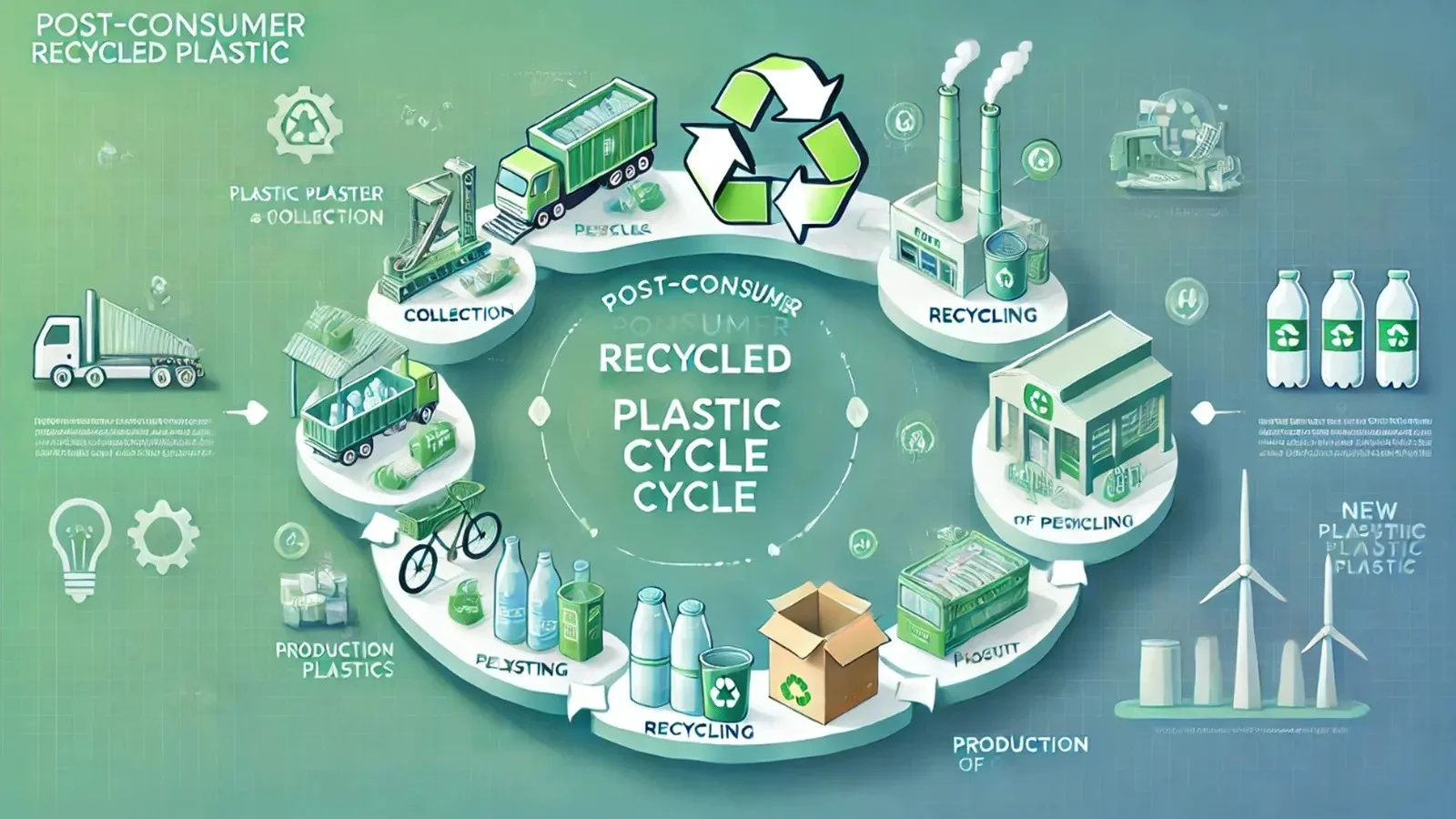
QR codes or mobile-accessible sustainability stories are also valuable tools. For example, showing the journey of a shampoo bottle-from post-use collection to recycling and remanufacturing-adds transparency and engages eco-conscious consumers in a more meaningful way. Explaining the carbon savings, reduced plastic waste, or partnerships with local recyclers can further enhance brand credibility.
By educating consumers about PCR and highlighting its role in reducing environmental impact, cosmetic brands can differentiate themselves in a crowded market. More importantly, these communications help align consumer expectations with sustainability goals, encourage more responsible purchasing behavior and building long-term brand loyalty rooted in purpose.
Government Incentives and Policy Trends
Governments are accelerating post-consumer recycled (PCR) packaging adoption through a mix of financial incentives and regulatory requirements. Several countries and U.S. states now offer direct support-such as tax credits and subsidies-to companies investing in recycling infrastructure or meeting minimum PCR content thresholds in their packaging. These financial incentives are designed to offset the higher costs associated with sourcing and processing recycled materials, helping companies scale up sustainable packaging initiatives.
A significant policy trend is the widespread implementation of Extended Producer Responsibility (EPR) systems. Under EPR laws, producers are legally required to manage and finance the collection, sorting, and recycling of their packaging materials. Fees are often structured to reward higher PCR use; some jurisdictions, like California, specifically reduce producer fees for packaging with more recycled content.
In addition, legally mandated PCR content minimums are rapidly becoming standard. States such as California, Washington, New Jersey, Maine, and Connecticut require specific percentages of PCR in plastic packaging, with rates set to increase over time. In the European Union, similar mandates target an average of 25% recycled content in PET bottles by 2030. Non-compliance can lead to penalties or restricted market access, making regulatory alignment imperative for brands operating in global markets.
The Numbers Don't Lie: PCR's Environmental Advantage
Numerous life cycle assessment (LCA) studies validate the environmental superiority of PCR over virgin plastic:
–Energy use drops by up to 60%
–Greenhouse gas emissions can fall by over 50%
–Water and land use impact is significantly reduced
Beyond emissions, PCR reduces demand for petroleum-based raw materials, helping to conserve non-renewable resources. The recycling process also requires less water and fewer land resources compared to extracting and refining virgin plastic, making PCR a lower-impact option across the board. In applications where recyclability and product performance are balanced, such as rigid bottles or secondary packaging, PCR can dramatically improve a brand's environmental profile.
However, PCR is not without challenges. Material quality can vary, and its Mechanical properties-such as strength, clarity, and flexibility-are often inferior to virgin alternatives. Still, when PCR is carefully sourced and used in tandem with smart packaging design, barrier enhancements, or layered formats, it can serve both functional and sustainability goals.
Ultimately, the data is clear: Incorporating PCR into packaging is one of the most effective ways to reduce environmental impact in the short term while contributing to a circular economy in the long term.
Looking Ahead: What's Next for PCR in Packaging?
As sustainability becomes central to packaging innovation, the future of post-consumer recycled (PCR) materials is growing increasingly sophisticated. The industry is moving beyond traditional mechanical recycling toward advanced technologies and integrated systems that will reshape how recycled content is sourced, verified, and reused.
●Chemical recycling
One of the most promising developments is chemical recycling, which goes beyond simply shredding and remolding plastic. This technology breaks down mixed or contaminated plastic waste into monomers-the basic building blocks of polymers-allowing for the creation of nearly virgin-grade resins. Chemical recycling could drastically expand the PCR supply by recovering materials that are currently too degraded or complex for mechanical recycling. This would be a game-changer, particularly for hard-to-recycle formats such as multi-layer films and colored plastics often used in cosmetics and food packaging.
●Blockchain and digital watermarking
Emerging tools such as blockchain and digital watermarking are being explored to verify recycled content claims with tamper-proof accuracy. Watermarks embedded in packaging materials can carry information about resin type, recyclability, and origin, while blockchain can track the journey of recycled materials across the entire supply chain. These systems hold the potential to improve transparency and trust, especially as regulations tighten and consumer expectations rise.
●Design for recyclability
Finally, the concept of design for recyclability is becoming an industry standard rather than a recommendation. Packaging will increasingly be designed from the outset with end-of-life in mind-using fewer materials, avoiding problematic adhesives or inks, and choosing structures that are easily separated and recycled. By integrating design, sourcing, and technology, the next frontier of PCR packaging will focus on performance, accountability, and circularity at scale.
Sustainability Starts with Systems Thinking
PCR packaging is no longer an experimental trend-it's a necessary ingredient in a circular, low-carbon economy. The obstacles are real: inconsistent supply, cost volatility, technical limitations, and regulatory complexity. But none are insurmountable.
Manufacturers, brands, scientists, consumers, and governments are already rewriting the story, together. With the rise of next-gen recycling tech, material science breakthroughs, and stronger partnerships across the packaging value chain, we are finally equipping ourselves to turn PCR from a niche initiative into a global norm.
The brands that succeed will be those that treat packaging not as a disposable layer-but as a powerful, strategic lever in their sustainability journey.
Let's close the loop-and open up a new era for sustainable packaging design.