
How INEOS Styrolution’s Bio-based Polystyrene Is Changing The Packaging Industry
Sustainability is no longer just a buzzword-it's become a powerful catalyst for innovation across the packaging industry. As both consumers and regulatory agencies increasingly demand environmentally responsible solutions, companies are accelerating efforts to develop materials that minimize ecological impact while maintaining high standards of performance and safety.
On July 10, 2025, INEOS Styrolution, a world-renowned styrene product manufacturer, announced that its 100% bio-sourced polystyrene, Styrolution PS 158K BC100, has been successfully commercialized. Since the beginning of 2025, food trays made from this bio-based material have officially entered the Japanese market through partnerships with well-known retail chain brands.
Among the leaders in this movement, INEOS Styrolution stands out with the launch of its bio-sourced polystyrene for food packaging-a breakthrough poised to reshape the future of both food and cosmetic packaging. Plastics have long been indispensable in food packaging, valued for their durability, clarity, and cost-effectiveness. Yet, traditional fossil-based plastics are significant contributors to greenhouse gas emissions and resource depletion. The challenge for the industry is to retain the benefits of plastics while dramatically reducing their environmental footprint.
INEOS Styrolution's new bio-sourced polystyrene directly addresses this challenge. By utilizing renewable feedstocks and certified mass balance approaches, the company offers a sustainable alternative that meets the rigorous demands of the food industry. This article explores the significance of INEOS Styrolution's innovation, delving into the science behind bio-sourced polystyrene, its environmental impact, material performance, design opportunities, and the broader implications for the future of sustainable packaging.

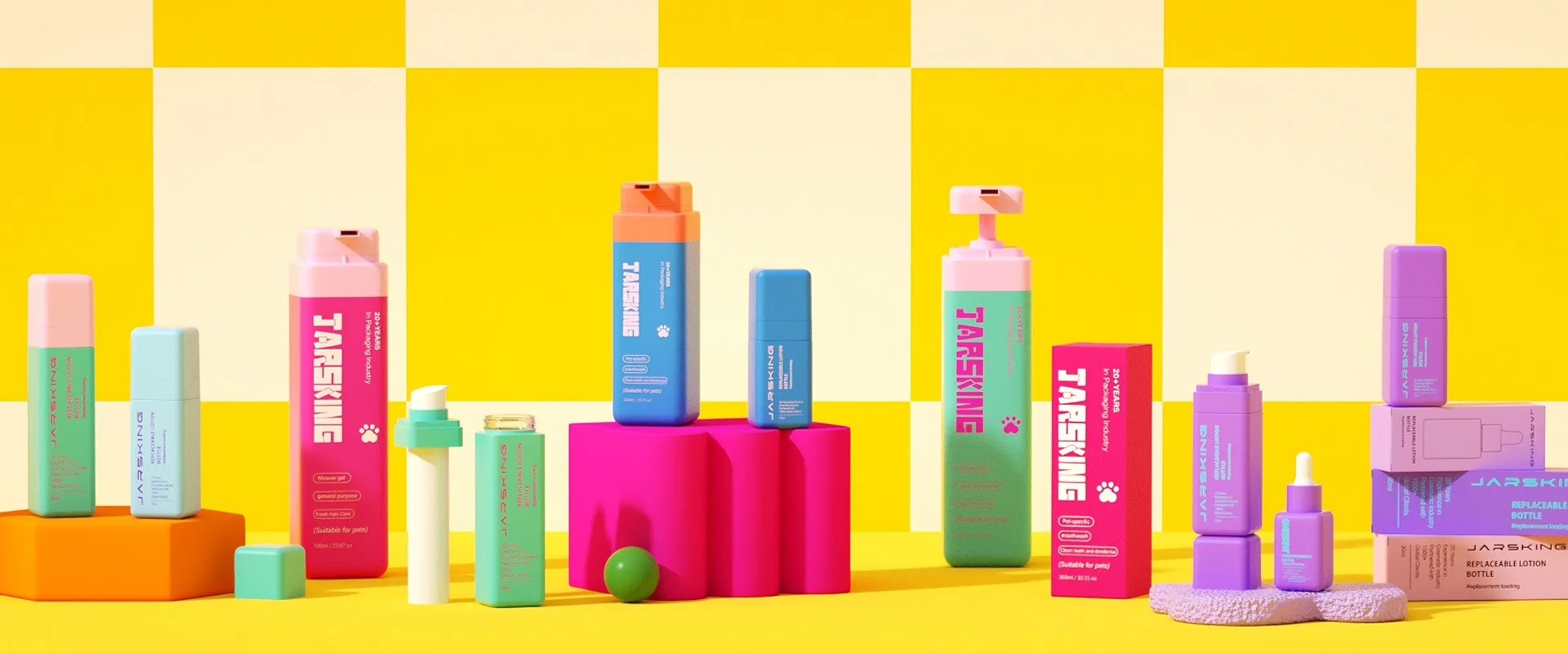
Image source: https://www.ineos-styrolution.com/
Understanding Bio-Sourced Polystyrene
What Is Bio-Sourced Polystyrene(PS)?
Bio-sourced polystyrene is an innovative form of polystyrene plastic manufactured using renewable, non-fossil-based raw materials. Unlike conventional polystyrene, which is produced from styrene monomer derived from petroleum or natural gas, bio-sourced polystyrene uses feedstocks such as plant biomass, agricultural by-products, or waste fats and oils. These renewable resources are converted into bio-attributed styrene through advanced chemical processes, ensuring that the resulting material is chemically identical to its fossil-based counterpart.
The production of bio-sourced polystyrene typically involves a mass balance approach, where renewable and conventional feedstocks are mixed in the manufacturing process, but the renewable content is meticulously tracked and attributed to specific product batches through third-party certification systems like ISCC (International Sustainability and Carbon Certification). This guarantees transparency and sustainability in the supply chain.
Key characteristics of bio-sourced polystyrene include:
Renewable Origin: The styrene monomer is sourced from materials such as biomass or waste oils, reducing dependence on finite fossil resources.
Chemical Equivalence: The final polymer possesses the same physical and functional properties-clarity, rigidity, processability, and food safety compliance-as traditional polystyrene, making it a true "drop-in" solution for existing applications.
Environmental Benefits: By shifting to renewable feedstocks, the carbon footprint of the material is significantly reduced, supporting broader sustainability and climate goals.
Certifiable Sustainability: The use of ISCC-certified mass balance ensures that the renewable content is verifiable, and the environmental claims are credible.
INEOS Styrolution's bio-sourced polystyrene exemplifies this approach, utilizing bio-attributed styrene to create a material that maintains all the advantages of conventional polystyrene while offering a more sustainable production pathway. This enables industries such as food packaging to adopt greener solutions without compromising on performance, safety, or regulatory compliance.
How Does Bio-Sourced Polystyrene Differ from Conventional Polystyrene?
The fundamental distinction between bio-sourced polystyrene and conventional polystyrene lies in the origin and sustainability of their raw materials. Conventional polystyrene is produced from styrene monomer that is derived from non-renewable fossil fuels-primarily petroleum or natural gas. This method relies heavily on extracting and processing finite resources, resulting in significant greenhouse gas emissions and contributing to environmental degradation.
Bio-sourced polystyrene, on the other hand, is manufactured using styrene produced from renewable feedstocks. These feedstocks typically include plant biomass, agricultural residues, and waste fats or oils. Through advanced chemical processes, these renewable resources are converted into bio-attributed styrene, which is then polymerized into polystyrene. The resulting material is chemically identical to its fossil-based counterpart, ensuring the same clarity, rigidity, and performance characteristics.
A key aspect of bio-sourced polystyrene production is the use of a mass balance approach. In this system, renewable and fossil-based feedstocks can be processed together, but the proportion of renewable content is meticulously tracked and certified-often through internationally recognized systems like the International Sustainability and Carbon Certification (ISCC). This certification guarantees that the environmental benefits of renewable inputs are transparently and credibly attributed to the final product.
Importantly, bio-sourced polystyrene can be recycled alongside conventional polystyrene, facilitating integration into existing recycling streams without the need for new infrastructure or changes in product performance. This makes it a practical, scalable solution for industries aiming to reduce their environmental impact while maintaining high standards of quality and safety.
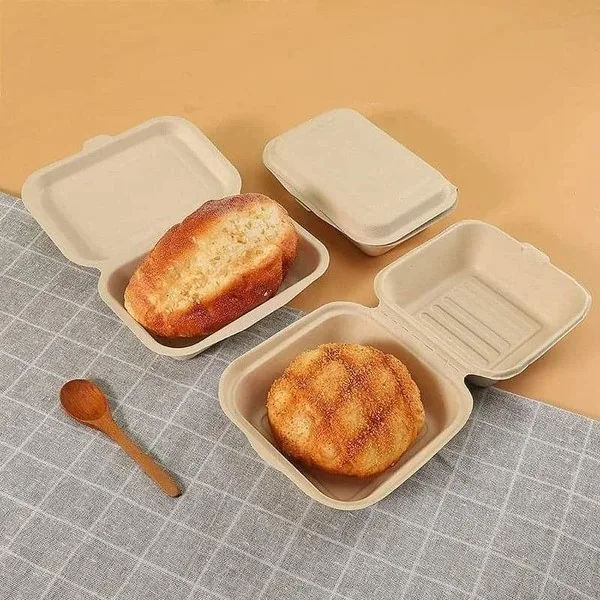
Polystyrene food packaging examples
The Science Behind Renewable Feedstocks and Mass Balance
INEOS Styrolution's approach is certified by the International Sustainability and Carbon Certification (ISCC) system, which ensures traceability and sustainability throughout the supply chain. The mass balance approach allows for the mixing of renewable and fossil-based feedstocks in existing production processes, with the renewable content allocated to specific products based on rigorous accounting and certification.
This method enables manufacturers to gradually increase the share of renewable materials without overhauling their entire infrastructure, making it a practical and scalable solution for the industry.
Why This Matters for the Food Industry?
Food packaging requires materials that are not only safe and functional but also compliant with strict regulatory standards. INEOS Styrolution's bio-sourced polystyrene meets these requirements, offering a drop-in solution that maintains the performance and safety of traditional polystyrene while reducing environmental impact. This innovation is particularly significant as food brands and retailers seek to align with sustainability goals and respond to consumer demand for greener packaging options.
Environmental Impact and Sustainability
Quantifying the Carbon Footprint Reduction
Bio-sourced polystyrene distinguishes itself through its substantial potential to lower greenhouse gas emissions compared to traditional fossil-based polystyrene. INEOS Styrolution, a leader in sustainable styrenics, reports that its bio-attributed polystyrene achieves an impressive 172% reduction in carbon emissions relative to conventional alternatives. This figure is grounded in a thorough life cycle assessment (LCA) that evaluates every stage of the product's journey-from the sourcing of raw materials and manufacturing processes to the final packaging delivered to consumers.
The dramatic reduction in carbon footprint is primarily achieved by replacing fossil feedstocks with renewable resources such as plant biomass and waste-derived materials. These renewable inputs are processed using advanced chemical technologies to create bio-attributed styrene, which is then polymerized into polystyrene. A critical aspect of this process is the implementation of a certified mass balance approach. This system enables manufacturers to blend renewable and conventional feedstocks in existing production lines, while ensuring that the environmental benefits of the renewable content are precisely tracked and attributed to the final product through third-party certification.
This approach not only guarantees transparency and credibility in sustainability claims but also allows for the seamless integration of bio-sourced polystyrene into current supply chains and recycling systems. By adopting this innovative material, manufacturers can significantly reduce the carbon emissions associated with packaging production, support the transition to a circular economy, and meet the growing regulatory and consumer demands for environmentally responsible solutions. The positive impact extends beyond individual products, contributing to a more sustainable and resilient packaging industry as a whole.
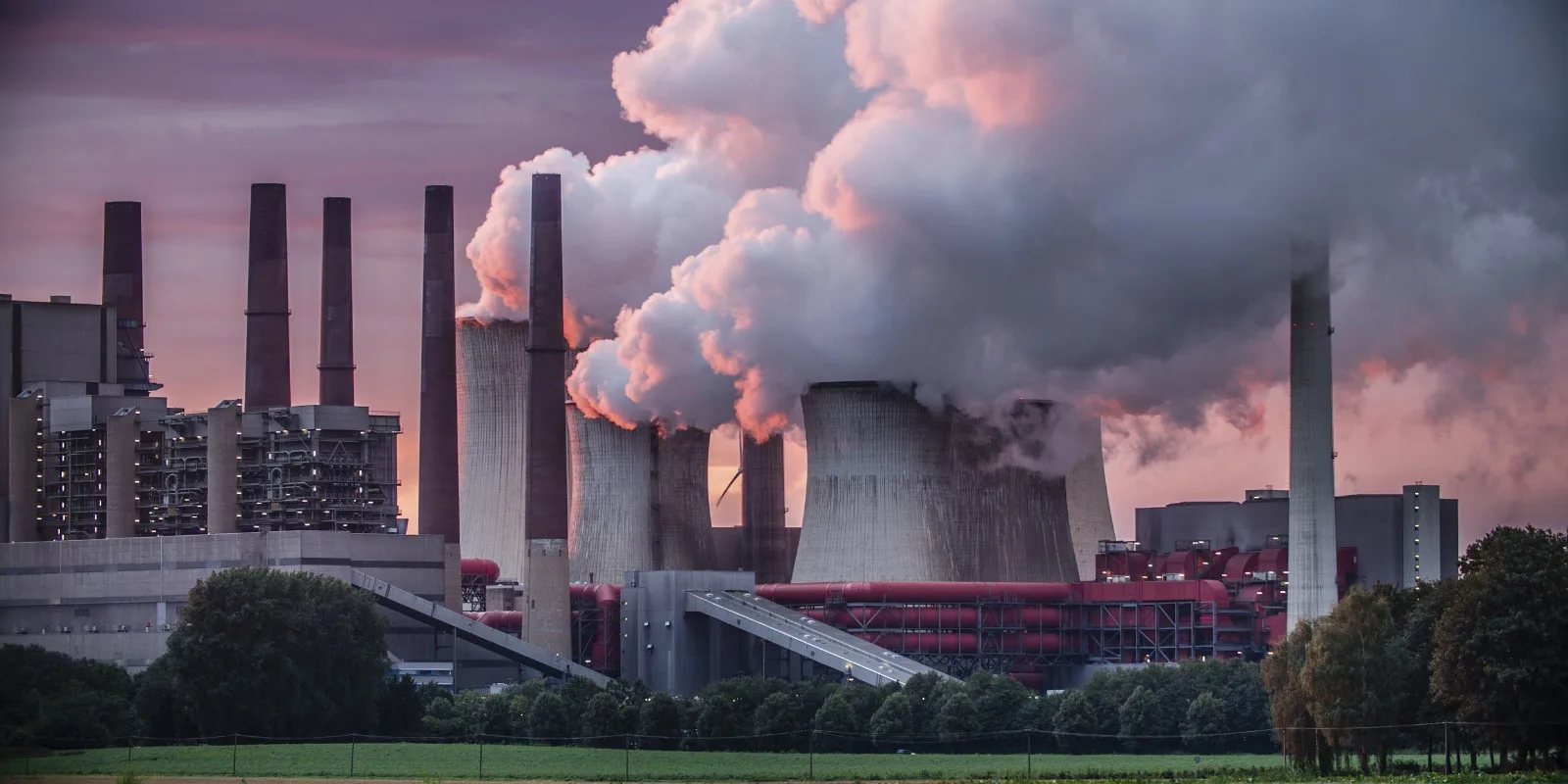
Reduce carbon emissions
Supporting Circular Economy Principles
Bio-sourced polystyrene aligns with the principles of the circular economy by promoting the use of renewable resources and enabling recycling at the end of life. Unlike some biodegradable plastics that require specialized composting facilities, bio-sourced polystyrene is fully recyclable within existing polystyrene recycling streams. This means that food packaging made from bio-sourced polystyrene can be collected, sorted, and reprocessed alongside conventional polystyrene, supporting closed-loop systems and reducing waste.
End-of-Life Options: Recyclability and Closed-Loop Systems
A major benefit of bio-sourced polystyrene is its full compatibility with existing recycling systems, enabling the development of closed-loop processes. Packaging made from this material can be collected, sorted, and recycled alongside conventional polystyrene, allowing it to be transformed into new products without the need for virgin resources. This approach not only conserves raw materials but also significantly reduces landfill waste. INEOS Styrolution is committed to advancing polystyrene recycling infrastructure and actively participates in industry initiatives to promote efficient collection and processing. By supporting closed-loop systems, bio-sourced polystyrene helps drive the packaging industry toward greater sustainability and resource efficiency.
Broader Environmental Benefits
Beyond carbon reduction and recyclability, bio-sourced polystyrene offers additional environmental benefits:
Resource Conservation: By using renewable feedstocks, the reliance on finite fossil resources is reduced.
Reduced Landfill Impact: As a recyclable material, bio-sourced polystyrene helps divert waste from landfills.
Compatibility with Existing Infrastructure: The drop-in nature of the material means that manufacturers and recyclers do not need to invest in new equipment or processes.
These benefits make bio-sourced polystyrene an attractive option for food brands seeking to minimize their environmental footprint without sacrificing performance or safety.
Material Properties and Performance in Food Packaging
Key Physical and Chemical Properties
Bio-sourced polystyrene retains all the desirable properties of conventional polystyrene, making it an ideal material for food packaging:
Clarity: Offers excellent transparency, allowing consumers to see the product inside.
Rigidity: Provides structural integrity, protecting food during transport and storage.
Barrier Function: Offers good resistance to moisture and gases, helping to preserve food freshness.
Heat Resistance: Suitable for a range of food applications, including hot and cold items.
These properties ensure that bio-sourced polystyrene can be used for a wide variety of food packaging formats, from trays and containers to cups and lids.
Suitability for Food Applications
INEOS Styrolution's bio-sourced polystyrene has been successfully used in food trays for Japanese retail chains, demonstrating its suitability for real-world applications. The material meets stringent food safety standards, including compliance with the Japanese Food Sanitation Act and JCII's A certification for food safety.

Comparison with Other Sustainable Materials
While there are several sustainable packaging materials on the market, each has its strengths and limitations:
|
Material |
Key Features |
Typical Food Uses |
Sustainability Notes |
|
Bio-Sourced Polystyrene |
Clarity, rigidity, recyclable |
Trays, cups, containers |
ISCC-certified, low carbon |
|
PLA (Corn-based) |
Compostable, clear, moderate rigidity |
Cups, lids, film wraps |
Industrial composting needed |
|
Bio-PE/Bio-PET |
Durable, recyclable, renewable feedstock |
Bottles, trays |
Drop-in, renewable source |
|
Paper/Cardboard |
Biodegradable, renewable, printable |
Boxes, trays, wraps |
May require lining for barrier |
Bio-sourced polystyrene stands out for its combination of clarity, rigidity, and recyclability, making it a versatile choice for food packaging.
Shelf Appeal and Product Protection
Bio-sourced polystyrene excels in both visual and functional aspects, making it an outstanding choice for food packaging that must stand out on crowded retail shelves. Its high level of clarity allows consumers to see the freshness, color, and quality of the food inside, which is especially important for products like salads, desserts, and ready-to-eat meals. The material's natural gloss further enhances the packaging's appearance, giving it a clean, premium look that appeals to modern shoppers seeking both quality and sustainability.
Beyond aesthetics, bio-sourced polystyrene provides robust product protection. Its inherent rigidity ensures that containers, trays, and lids retain their shape during handling, stacking, and transportation, minimizing the risk of crushing or deformation. This structural integrity is vital for preserving the visual appeal of the food and preventing leaks or spills, which can compromise both product safety and brand reputation. Additionally, the material's barrier properties help protect food from moisture and contaminants, extending shelf life and maintaining freshness. For food brands, these combined benefits translate into packaging that not only attracts attention in-store but also reliably safeguards the product from production to the consumer's table.
Design and Branding Opportunities
Customization Options
Bio-sourced polystyrene is highly versatile, enabling a wide range of customization options to meet branding and design requirements:
Color Customization: Bio-sourced polystyrene can be produced in a wide range of colors, allowing brands to match their specific identity or seasonal themes.
Variety of Finishes: The material supports glossy, matte, and textured surfaces, offering flexibility in achieving different looks and tactile experiences.
Shape Versatility: It can be molded into simple or intricate forms, enabling unique and eye-catching packaging designs.
Branding and Decoration: Bio-sourced polystyrene is compatible with printing, labeling, and embossing, making it easy to add logos, graphics, and product information directly onto the packaging.
These features allow food brands to create distinctive packaging that stands out on shelves while communicating their commitment to sustainability.

Innovative, Premium, and Minimalist Designs
Bio-sourced polystyrene stands out as an exceptional material for premium cosmetic packaging design, thanks to its unique combination of clarity, rigidity, and versatility. Its crystal-clear appearance rivals that of glass, instantly conveying a sense of luxury and allowing the true color and texture of cosmetic products-such as serums, creams, or powders-to be showcased. This high level of transparency not only enhances shelf appeal but also signals product freshness and quality, which are key attributes for premium beauty brands.
The material's rigidity ensures that packaging maintains its shape and structural integrity, protecting delicate formulations from damage during shipping or daily use. This durability is essential for premium cosmetics, where maintaining an impeccable appearance is critical to brand perception and consumer satisfaction.
In terms of design, bio-sourced polystyrene offers remarkable flexibility. It can be molded into a wide range of shapes, from sleek, minimalist bottles to intricate, custom containers that reflect a brand's unique identity. Its compatibility with various finishes-whether high-gloss for a modern look or matte and textured surfaces for a more understated, tactile feel-enables brands to tailor packaging aesthetics to their target audience.
Sustainability is increasingly central to luxury and beauty packaging, and bio-sourced polystyrene directly addresses this demand. Produced from renewable feedstocks, it reduces reliance on fossil resources and lowers the carbon footprint of packaging. Its compatibility with existing recycling streams further supports circular economy goals, making it a responsible choice for eco-conscious brands and consumers.
By combining premium aesthetics, robust protection, and a strong sustainability profile, bio-sourced polystyrene empowers cosmetic brands to deliver packaging that is both visually striking and aligned with modern environmental values.
Market and Consumer Trends
Rising Consumer Demand for Eco-Friendly Packaging
Today's consumers are more environmentally conscious than ever, with growing awareness of the ecological impact of packaging materials. Numerous surveys reveal that a substantial number of shoppers are willing to pay a premium for products that use sustainable packaging, and many actively factor packaging sustainability into their purchasing decisions. This shift in consumer attitudes is driving brands across industries, especially in food and cosmetics, to prioritize eco-friendly solutions in their packaging strategies.
Bio-sourced polystyrene is uniquely positioned to meet these evolving expectations. By utilizing renewable feedstocks, it significantly reduces carbon emissions compared to traditional fossil-based plastics. Its compatibility with established recycling systems further enhances its appeal, as it supports a circular economy and helps minimize landfill waste. For brands aiming to attract and retain environmentally conscious customers, adopting bio-sourced polystyrene sends a clear message of commitment to sustainability. Not only does this material help companies address regulatory pressures and corporate sustainability goals, but it also provides a tangible way to differentiate products in a competitive marketplace. As consumer demand for sustainable packaging continues to rise, bio-sourced polystyrene offers a practical and impactful solution for brands seeking to align with modern values.

Image source: https://www.globenewswire.com/
Opportunities for Brands to Build Loyalty and Differentiate
By adopting bio-sourced polystyrene, food brands can establish themselves as pioneers in sustainable development, appealing to eco-conscious consumers and aligning with the environmental goals of retailers and regulators. Early adoption of sustainable packaging often leads to positive media attention, greater market share, and stronger stakeholder relationships. Cosmetics brands can also leverage bio-sourced polystyrene to demonstrate their commitment to sustainability, further differentiating themselves in a competitive market and building lasting loyalty among environmentally aware customers. In both sectors, leading on sustainability not only enhances brand reputation but also supports long-term business growth.
The Role of Refillable, Reusable, and Recyclable Packaging
While refillable and reusable packaging solutions are gaining traction, recyclable materials like bio-sourced polystyrene remain essential for single-use applications where hygiene and convenience are paramount. The ability to recycle bio-sourced polystyrene within existing infrastructure ensures that it supports both current and future sustainability initiatives.
Regulatory and Safety Considerations
Overview of Global Safety Standards
Food packaging materials must comply with a range of safety standards to ensure they do not contaminate food or pose health risks to consumers. INEOS Styrolution's bio-sourced polystyrene meets the requirements of the Japanese Food Sanitation Act and has received JCII's A certification for food safety, demonstrating its suitability for direct food contact.
Chemical Resistance and Non-Toxicity
Polystyrene is known for its chemical resistance and non-toxicity, making it a safe choice for packaging a wide variety of foods. The bio-sourced version maintains these properties, ensuring that it does not interact with food contents or leach harmful substances.
Certifications and Documentation
ISCC (International Sustainability and Carbon Certification) plays a crucial role in verifying the sustainability and traceability of renewable feedstocks used in bio-sourced polystyrene. This globally recognized certification ensures that all raw materials are responsibly sourced, with strict oversight across the entire supply chain. Through comprehensive documentation and third-party audits, ISCC certification confirms that no deforestation has occurred, proper mass balance calculations are applied, and carbon intensity is accurately measured at every stage.
For brands and retailers, ISCC certification is increasingly vital. It provides credible, transparent proof that sustainability claims are legitimate, helping companies meet both regulatory requirements and consumer expectations for responsible sourcing. The certification also allows for the use of on-product ISCC logos, which signal to customers and stakeholders that high sustainability standards have been met.
ISCC's robust system covers the identity of raw materials-distinguishing between waste, residues, and virgin sources-and ensures traceability throughout the value chain. This not only supports environmental goals but also enhances brand reputation, facilitates market access, and helps companies differentiate their products in an increasingly competitive landscape focused on sustainable solutions.
Compatibility with Various Packaging Formats
Bio-sourced polystyrene offers exceptional versatility, making it suitable for a wide range of packaging formats across both the food and cosmetics industries. In food packaging, it is used for:
Trays and Containers: Ideal for fresh foods, ready meals, and snacks, providing durability and product visibility.
Cups and Lids: Perfect for beverages and desserts, where clarity and secure sealing are essential.
Sealable Packaging: Suitable for items that require airtight closure to maintain freshness.
In the cosmetics sector, bio-sourced polystyrene is equally adaptable:
Jars and Bottles: Used for creams, lotions, and serums, offering protection and premium shelf appeal.
Compacts and Cases: Perfect for powders and makeup, ensuring product integrity and a luxurious look.
Dispensing Closures: Compatible with pumps, droppers, and sprayers for precise application.
This broad compatibility allows brands in both industries to leverage bio-sourced polystyrene for innovative, functional, and sustainable packaging that meets diverse product requirements.

Consumer Perception of Quality and Usability
Consumers expect food packaging to be not only sustainable but also functional and convenient. Bio-sourced polystyrene delivers on these expectations, offering the same look, feel, and performance as conventional polystyrene. Its clarity and rigidity enhance the perception of product quality, while its recyclability addresses consumer concerns about environmental impact.
Challenges and Opportunities
Barriers to Adoption
Despite its many advantages, the adoption of bio-sourced polystyrene faces several challenges:
Cost: Renewable feedstocks can be more expensive than fossil-based alternatives, potentially increasing production costs.
Supply Chain: Ensuring a consistent and scalable supply of renewable materials requires coordination across the value chain.
Consumer Education: There is often confusion between bio-based, biodegradable, and compostable plastics. Educating consumers about the benefits and limitations of bio-sourced polystyrene is essential for widespread adoption.
Addressing Misconceptions
A common misconception is that all bio-based plastics are biodegradable or compostable. In reality, bio-sourced polystyrene is chemically identical to conventional polystyrene and is designed to be recycled, not composted. Clear communication about recyclability and proper disposal is crucial to maximizing environmental benefits.
Partnerships and Pilot Projects
INEOS Styrolution is actively collaborating with food brands, packaging manufacturers, and recyclers to expand the use of bio-sourced polystyrene. Pilot projects are underway in various markets, exploring new applications and refining production processes to increase efficiency and reduce costs.
Lessons Learned and Best Practices
Early adopters have identified several best practices for successful implementation:
Engage Stakeholders Early: Involve suppliers, retailers, and recyclers in the transition to ensure alignment and address potential challenges.
Invest in Consumer Education: Provide clear information about the benefits and proper disposal of bio-sourced polystyrene.
Monitor Performance: Continuously evaluate the material's performance in real-world conditions and seek feedback from consumers.
The Future of Sustainable Food Packaging
Emerging Trends
The packaging industry is evolving rapidly, with new technologies and materials emerging to meet the demands of sustainability, convenience, and safety. Smart packaging solutions, such as QR codes and NFC tags, are being integrated with sustainable materials to enhance consumer engagement and traceability.
The Evolving Regulatory Landscape
Regulatory bodies are increasingly focused on reducing plastic waste and promoting the use of renewable materials. Policies that incentivize recycling and penalize single-use plastics are likely to accelerate the adoption of bio-sourced polystyrene and other sustainable alternatives.
The Potential for Bio-Sourced Polystyrene to Become an Industry Standard
As more brands and retailers recognize the benefits of bio-sourced polystyrene, its adoption is expected to grow. Continued investment in renewable feedstocks, recycling infrastructure, and consumer education will be key to establishing bio-sourced polystyrene as a standard material for food packaging.
Conclusion
INEOS Styrolution's launch of bio-sourced polystyrene for food packaging marks a significant milestone in the journey toward sustainable packaging. By combining the performance and safety of conventional polystyrene with the environmental benefits of renewable feedstocks, this innovation offers a practical and scalable solution for food brands seeking to reduce their carbon footprint and meet consumer demand for greener products.
As the industry continues to evolve, bio-sourced polystyrene is poised to play a central role in shaping the future of food packaging-delivering sustainability without compromise.


