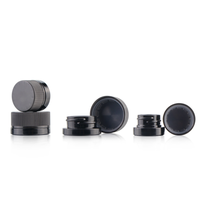

Testing Procedures For Safe Packaging For Children in The United States
Children's safety package is a special package to prevent children from opening the package at will and ingesting drugs. It protects children's safety through the special design of the lid. The United States was the first country to introduce such legislation, so what is the testing procedure for such packaging?
For a package to meet the CPSC's child protection standards, it must be physically tested by both children and adults. The packaging must be tested under normal conditions by a group of children aged 42 to 51 months. In order for the packaging to pass the child protection test, 80% of the children tested were not allowed to open the packaging during the full 10 minutes of testing.
The packaging must also be tested under normal conditions by a group of elderly people aged between 50 and 70 with no obvious or visible physical or mental disabilities. For older adults, the testing procedure was modified and divided into two steps. First, ask them to open child-safe packaging. They were then given a second identical package and asked to open it again.
In order for the package to pass the advanced test, 90 percent of participants had to be able to open the first package in five minutes and the second in one minute. They must also be able to close the cap on the bottle to make it child-resistant again.