From Inquiry To Millions: Building A Strategic Skincare Packaging Partnership
Introduction
In October 2020, a company from Poland reached out through Official website, seeking a reliable packaging supplier for a major new business initiative - the launch of a high-end skincare line. The client, already a recognized brand in the European medical aesthetics industry, was preparing to diversify their portfolio by entering the skincare market. This marked the beginning of a long-term collaboration that would evolve from a single inquiry to a thriving strategic partnership generating tens of millions of RMB in annual orders by 2025.
This case study traces the full journey of the partnership: from initial contact and sample validation to mold development, mass production, and the resolution of complex technical challenges. It highlights the joint innovation efforts that shaped the project's success and identifies key lessons learned in managing global, design-intensive manufacturing collaborations.
Client Background
This client owns two major brands, both renowned in Europe for their professional-grade medical aesthetic solutions and innovative skincare lines.Their market presence spans Italy, Germany, and neighboring European countries, with distribution managed through both online and offline channels.
Historically positioned in the medical aesthetics sector, the client decided in late 2020 to invest in a premium skincare line targeting higher-end consumers. Their vision combined clinical-grade credibility with modern luxury aesthetics - an approach that required packaging to reflect both scientific precision and sophisticated visual appeal.
The client's internal design team was responsible for developing the conceptual and structural design of the packaging. However, execution required a manufacturing partner with advanced glass production capabilities, high consistency, and the flexibility to support custom mold development.
Their search for a qualified supplier led them to Alibaba International, where they found our company's product listings and strong record in serving premier cosmetic brands worldwide.
Initial Contact and Requirements
In October 2020, the client initiated contact via Official website marketplace, submitting a detailed inquiry outlining specifications for several glass containers. Their request emphasized:
–Multiple product categories (jars, serum bottles, and dropper vials).
–High optical clarity and uniformity.
–Customization potential for premium market positioning.
–Sample and quotation requirements to assess technical fit and service reliability.
Considering the client's strong emphasis on brand image, product precision, and risk control, our project team first focused on thoroughly understanding the client's constraints, potential pain points, and technical concerns. Sales personnel and engineers collaborated closely to translate these needs into concrete solutions, including providing customized quotes, multiple sample options, and a clear technical plan that anticipated potential issues related to structure, aesthetics, and delivery timelines. Throughout the process, the communication focused on explaining how each suggestion would meet both high-end European aesthetic standards and ensure the technical stability of mass production and logistical feasibility.
Within a month, by quickly responding to client inquiries, proactively proposing alternative solutions when challenges arose, and maintaining transparency in all communications, the team instilled a sense of support and control in the client, thereby building trust and securing confirmation of the sample order.
The First Order: Building Trust Through Trial Production
In November 2020, the client placed the first sample order, which included quantities between 3,000 and 5,000 units per product, totaling 210,000 RMB.
This initial project stage served dual functions:
Prototype Validation: The client evaluated quality parameters, including glass transparency, surface consistency, coating adhesion, and logo print accuracy.
Process Benchmarking: Both parties aligned operational standards around sampling, logistics, and after-sales feedback channels.
The successful completion of the sample order paved the way for larger collaborations. The Polish side expressed strong satisfaction with the quality standards and communication efficiency, reinforcing confidence for further investment in customized tooling.
Joint Development of Private Molds (2021–2022)
By 2021, the collaboration entered a new phase centered on private mold development - a milestone that transformed the relationship from transactional to strategic. The client's design team produced a full suite of packaging models intended to differentiate their skincare products through unique structural and aesthetic features.
Design and Engineering Collaboration
Developing private molds required close coordination between design concept visualization and production engineering. The client's team provided 3D renderings, technical drawings, and branding guidelines. Our engineers then reviewed the designs for manufacturability, identifying potential challenges in wall thickness, mold cooling systems, and tolerance management.
Weekly video conferences and continuous file exchanges allowed for iterative optimization. The process balanced two priorities: preserving the brand's visual identity and ensuring mechanical functionality suitable for mass production.
Cost Optimization and Discounts
Recognizing the long-term partnership potential, we provided a discount on the molding fees as a strategic incentive. This gesture strengthened the client's commitment to continue production through our facility while providing them with a cost-efficient pathway to develop a differentiated product line.
Continuous Molding and Production Scaling (2022–2024)
Over the three years following mold initiation, multiple molds were successfully developed, tested, and refined. Each new model reflected lessons learned from previous iterations - improving precision, sealing performance, and aesthetic refinement.
During 2022–2024, product development timelines overlapped as different molds progressed at staggered stages. Each stage followed a consistent framework:
–Prototype sampling and testing
–Design review and modification
–Pilot production and stress testing
–Full-scale tooling release
Parallel to mold development, continuous communication ensured synchronized progress tracking. By late 2023, the line comprised a full portfolio of skincare packaging solutions, each with distinct features tailored for the European high-end skincare segment.
Technical Challenges and Problem-Solving
Despite smooth collaboration overall, several design and production challenges emerged - each requiring technical innovation, coordination, and resilience to resolve.
Challenge 1: Square Bottle with a Square Cap (2023)
In 2023, one of the molds involved a square glass bottle complemented by a square-shaped cap - a combination rarely seen in the industry. At that time, most square bottles were paired with round caps due to the complex alignment and sealing precision required for maintaining symmetry.
The main issue was achieving consistent cap fitment across thousands of production units without compromising aesthetic precision. The complexity arose from very tight tolerances in the glass neck and the cap's inner structure.
Solution:
After multiple prototype iterations revealed persistent alignment issues between the square bottle and the square cap, our engineering team initiated an in-depth feasibility analysis using precision measurement and 3D simulation tools. To address the problem, we collaborated with a senior factory engineer renowned for his expertise in geometric alignment and complex mold optimization. Our joint efforts focused on recalibrating the neck dimensions, reinforcing structural balance, and fine-tuning the capping line pressure to ensure consistent torque during sealing. Each revision underwent rigorous testing - including stress, sealing, and visual conformity checks - to validate performance at production scale.
Ultimately, the optimized design delivered both a flawless fit and a refined aesthetic that exceeded the client's expectations. This project not only demonstrated our advanced technical and problem-solving capabilities but also enriched our internal engineering knowledge base for future design-defining packaging innovations.

Challenge 2: Hot Stamping Plate Breakage During Mass Production
During one large-scale production batch, the hot stamping plate used for decorative finishing encountered significant mechanical stress and fractured mid-process. This incident resulted in immediate halting of production, risking delivery delays and cost overruns.
Root Cause Analysis:
A detailed investigation revealed that the plating layer's temperature tolerance had been overreached due to uncalibrated press settings combined with the plate's limited design load capacity.
Solution:
Leveraging our extensive supplier network, we quickly partnered with a specialized factory experienced in advanced stamping die metallurgy. Their team collaborated closely with our engineers to redesign the dies using high-strength alloys and improved heat treatment processes, significantly enhancing durability and thermal stability. Simultaneously, we recalibrated process parameters, optimized temperature cycles, and implemented stricter quality control measures to prevent similar issues from recurring. These comprehensive measures enabled a smooth resumption of production, ensuring timely delivery and maintaining product quality for our customers. Our rapid and coordinated response once again demonstrates our ability to anticipate and resolve complex manufacturing challenges while protecting our customers' business interests and brand reputation.
Scaling Toward Large-Volume Production (2024–2025)
By 2024, the partnership had matured into a streamlined production system characterized by predictability, efficiency, and mutual trust. Orders increased substantially, expanding into the tens of millions of RMB annually by 2025.
Key performance indicators reflected growth across all dimensions:
Product diversity: Expanded from a few initial SKUs to a full premium skincare line.
Process innovation: Enhanced mold durability and stamping technology.
Operational efficiency: Shortened lead times and reduced rework rates.
Partnership stability: Active multi-year commitments with continuous feedback loops.
The cooperative engineering approach developed during earlier stages evolved into an embedded workflow - effectively integrating the client's design team and our technical staff into a shared development ecosystem.
Partnership Strengths
Several strategic factors contributed to the long-term success of this collaboration:
1.Transparency and Accountability
From the initial inquiry through each production milestone, both teams established a transparent communication framework that emphasized clarity, responsiveness, and shared documentation. Weekly progress reports, production photos, and open technical discussions enabled both sides to align expectations in real time. This proactive approach not only prevented the typical misunderstandings associated with cross-border manufacturing but also fostered a cooperative problem-solving culture that kept every project stage smooth and efficient.
2.Mutual Investment in Innovation
The client's commitment to developing exclusive private molds showed dedication to differentiation, while our decision to offer discounted molding fees demonstrated genuine partnership investment. By sharing both cost and risk, we reinforced mutual accountability and encouraged innovation. This long-term perspective transformed a transactional supplier relationship into a strategic alliance built on trust, collaboration, and continuous improvement.
3.Design-Technical Synergy
Close coordination between the client's design team and our engineering specialists ensured that creative ideas remained technically viable. Our engineers translated the client's aesthetic aspirations into mass-producible, high-precision molds, achieving a perfect harmony between design intent and manufacturing practicality.
4.Supply Chain Reliability
Our deep supplier network, strict quality control practices, and contingency planning-especially during the stamping plate challenge-demonstrated our ability to deliver under pressure. This reliability became a cornerstone of the partnership, giving the client confidence that every solution, regardless of complexity, would be executed with precision and professionalism.

Lessons Learned
Every large-scale international collaboration yields operational insights valuable for future projects. This partnership offered several practical lessons:
1. Technical Challenges Require Cross-Functional Collaboration
Complex design requests, such as the square bottle-cap combination, highlight the importance of early cross-disciplinary planning. Bringing design, engineering, and quality assurance perspectives together early avoids costly rework later.
2. Proactive Communication Prevents Escalation
The ability to immediately address production disruptions - such as the hot stamping issue - depended on real-time information exchange and shared accountability. Open channels transform potential crises into opportunities for process improvement.
3. Long-Term Commitments Drive Mutual Efficiency
By agreeing to invest in private molds and continuous development, both parties built predictable workflows, smoother logistics, and economies of scale - benefits unattainable in short-term, transactional relationships.
4. Continuous Innovation as a Competitive Edge
The client's success in Europe's competitive skincare sector proved that product differentiation often begins with packaging. The collaboration reinforced that innovation in materials, shape, and finishing adds measurable brand value.
Strategic Outcomes
By 2025, the partnership yielded several tangible results and long-term advantages:
Financial Scale-Up: Annual order volume reached tens of millions of RMB.
Product Reputation: Packaging quality elevated the brand's positioning in the European high-end skincare market.
Process Mastery: Internal teams on both sides developed advanced expertise in mold customization and industrial finishing.
Sustainability Efforts: The client's continued work with glass packaging aligned with Europe's increasing preference for recyclable and eco-friendly materials.
After adopting the new glass bottles developed through this collaboration, the customer's skincare line moved from a standard presence on the shelf to a clearly differentiated premium offering, and sales began to grow steadily across multiple markets. The new packaging system was not simply a change of container, but a comprehensive visual and functional upgrade that reshaped how end consumers perceived the brand. The private‑mold designs created an immediately recognizable family look, allowing shoppers to identify the products at a glance on busy European fixtures, particularly in high‑traffic pharmacies, beauty chains, and clinic outlets in Italy and Germany, where packaging aesthetics strongly influence purchase behavior. The carefully proportioned bottle silhouettes, improved glass clarity, and accurate, repeatable color presentation helped to communicate both the brand's medical‑grade heritage and its high‑end skincare positioning, giving marketing teams stronger visual assets for in‑store displays, online banners, and social media campaigns.
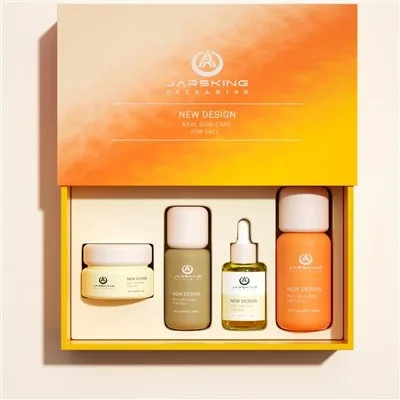
At the same time, the technical performance of the new packaging directly supported channel expansion and sell‑through. Enhanced sealing performance, tighter dimensional control, and more robust structural design reduced leakage, breakage, and surface defects during long‑distance transport and warehouse handling, which in turn lowered returns and complaints from distributors. This gave channel partners greater confidence in promoting the line and enabled the brand to scale into more stores and more countries without proportional increases in logistics risk. With a full, coherent packaging portfolio covering cream jars, serum bottles, and droppers, the client could plan tiered product architectures and launch new sub‑ranges faster, reusing proven structural platforms while adjusting decoration and capacity for different concepts and price points. The visual consistency across SKUs supported cross‑selling and bundle promotions, encouraging consumers to purchase complete routines rather than individual items.
As the upgraded packaging was gradually introduced throughout the client's e‑commerce platforms and offline networks, the impact translated into concrete business indicators: higher conversion rates on online product pages, improved shelf rotation in key retail accounts, and stronger acceptance of premium price positioning. Year by year, the client increased its order volumes for these customized bottles to support both replenishment and new launches. By 2025, annual procurement had reached the level of tens of millions of RMB, indicating that the finished products were achieving strong and sustainable sell‑through. This growth validated not only the aesthetic and technical value of the new glass bottles, but also the strategic role of packaging as a revenue driver and brand equity asset in the highly competitive European high‑end skincare market.
Future Outlook
Moving forward, the collaboration is poised for continued growth through product diversification and process digitalization. With both companies committed to innovation and sustainability, the next phase may encompass:
Eco-friendly glass formulations with lower carbon footprints.
Automation enhancements for real-time quality tracking.
Strategic co-branding opportunities across broader European markets.
This strategic foresight positions both sides at the forefront of premium skincare packaging.
The partnership between our company and the Polish client stands as a model of cross-border industrial collaboration built on mutual trust, technical excellence, and long-term vision. What began with a modest Alibaba inquiry in 2020 has evolved into a high-value, multi-year collaboration driving innovation and growth in Europe's skincare sector.
Through shared dedication, transparent communication, and solutions-oriented teamwork, both companies overcame design and production challenges, achieving exceptional results and setting new standards in private mold glass packaging.
This case study demonstrates not only the tangible outcomes of the partnership but also the intangible value of collaboration - where professional integrity, adaptability, and perseverance turn vision into commercial success.