From 4.5M RMB To Long-Term Partnership: Technical Expertise As Competitive Advantage
| Table of contents: | Article summary: |
| ① Client Profile and Market Context |
This case study chronicles a relationship built on more than just competitive pricing-it demonstrates how technical expertise, proactive problem-solving, and unwavering commitment to quality can transform a transactional supplier relationship into a valued partnership. Through three intense rounds of pricing negotiations, critical technical interventions, and strategic investments in the client's success, we navigated challenges that included color preservation issues requiring specialized ink solutions and structural mold defects that threatened production timelines.
|
| ② Relationship Development Journey | |
| ③ The Pricing Negotiation Challenge | |
| ④ Technical Challenges and Solutions | |
| ⑤ Results and Business Impact | |
| ⑥ Key Success Factors and Lessons Learned | |
| ⑦ Future Outlook and Continued Partnership |
In January 2025, a leading Saudi Arabian perfume brand approached our company seeking premium gift box packaging solutions for their expanding product lines. What began as a reconnection after a successful trade show encounter evolved into a strategic partnership worth 4.5 million RMB in the first year alone, with promising expansion planned for 2026.
The partnership culminated in orders totaling 308,000 glass bottles across three production runs, with our team investing in additional tooling at our own expense to ensure delivery commitments were met. This case exemplifies how understanding a client's brand values and market positioning-while maintaining unwavering quality standards-creates mutual value that transcends price considerations.

Client Profile and Market Context
The Middle Eastern Perfume Market Landscape & Our Client's Business Model
The luxury perfume market in Saudi Arabia is a sophisticated ecosystem where ancient heritage meets hyper-modern retail, projected to reach a valuation of over $3.6 billion by 2033. For the Saudi consumer, fragrance is not an accessory but a daily ritual and a core pillar of social etiquette. This market is defined by "The Art of Layering"-a cultural practice where consumers combine heavy, oil-based attars (such as authentic Oud, Amber, and Musk) with lighter, Western-style sprays to create a personalized, potent sillage. Consequently, the demand here is for high-concentration Extraits and Parfums that offer exceptional longevity in the region's arid climate.
In this landscape, packaging is a critical differentiator, serving as the ultimate signifier of luxury. Because fragrance is the region's preferred gift for weddings and religious holidays, the unboxing experience is paramount. Consumers equate weight with value, expecting heavy glass bottles, zamac caps, and elaborate, jewelry-style presentation boxes lined with silk or velvet. Successful brands blend modern minimalism with localized aesthetics, such as geometric Islamic patterns or calligraphy, turning the product into an objet d'art.
Retail expectations have simultaneously evolved into a "Phygital" standard. The physical boutique is no longer just a store but a hospitality venue, offering VIP majlis seating, Arabic coffee, and private consultations. However, this traditional hospitality must be powered by digital innovation. Consumers now expect an omnichannel journey where AI-driven scent profilers and Augmented Reality (AR) tools online seamlessly integrate with the in-store experience. Brands that succeed are those that can harmonize the deep, tactile traditions of the past with the seamless, tech-enabled convenience of the future.
Our client operates a dual-brand strategy, carefully positioning their offerings to capture distinct market segments within the women's and children's perfume categories. Their business infrastructure reflects modern retail sophistication: an e-commerce platform through their official website complemented by approximately 24 physical retail locations strategically positioned across Saudi Arabia.
What distinguishes this client is their integrated approach to brand development. Unlike many companies in their sector, they maintain an in-house design company, giving them complete creative control over their brand aesthetic. This internal capability means they approach packaging suppliers not seeking design services, but rather seeking manufacturing partners who can flawlessly execute their vision with technical precision and quality consistency.
Design Philosophy and Brand Identity
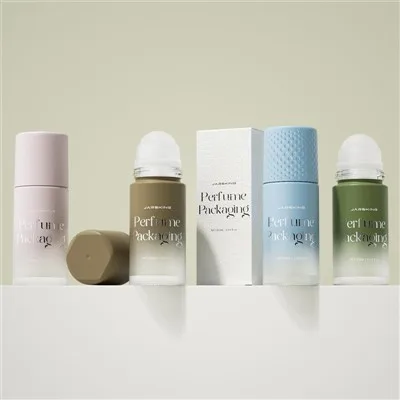
The client's minimalist design philosophy serves as their primary brand differentiator in a crowded marketplace. Their signature aesthetic features soft pastel color palettes-gentle hues that convey sophistication, elegance, and the refined sensibility their target demographic expects. This design choice, while visually striking and brand-distinctive, would later present significant technical challenges in production.
Their commitment to minimalism extends beyond color selection to encompass every aspect of packaging design. Clean lines, uncluttered surfaces, and subtle branding create an overall impression of understated luxury. This design approach resonates particularly well with their target consumers: discerning women seeking elegant fragrances and parents selecting refined products for children.
Relationship Development Journey
The Foundation: Trade Show Success
Our relationship with this client began at an international trade show where they first encountered our product range. The exhibition provided an ideal environment to showcase our manufacturing capabilities, quality standards, and understanding of luxury packaging requirements. The client's representatives spent considerable time at our booth, examining samples, asking detailed technical questions, and discussing their specific needs.
Their initial impression proved highly favorable. Our product quality, attention to detail, and demonstrated understanding of premium packaging requirements aligned with their brand standards. However, as is common in trade show environments, the immediate next steps remained uncertain. We exchanged contact information and maintained our professional presentation materials, hopeful but not presumptuous about future collaboration.
Digital Re-engagement and Serious Intent
In January 2025, our WhatsApp business account received an inquiry through our official website. The message came from our trade show contact, now ready to move beyond preliminary discussions to serious business engagement. This digital reconnection demonstrated the lasting impression our trade show presentation had made and the client's confidence in exploring a partnership.
The WhatsApp communication channel proved ideal for this initial phase of renewed engagement. It allowed for rapid, informal exchanges that helped rebuild rapport while maintaining professional boundaries. Through these conversations, we gained deeper insights into their specific packaging requirements, production volume expectations, and timeline constraints.
The client articulated their needs clearly: they sought a manufacturing partner capable of producing premium perfume gift box packaging that would elevate their product presentation while meeting the exacting standards their brand demanded. They emphasized quality and reliability over lowest-cost sourcing, a priority that would prove significant in later negotiations.

The First Order: Proving Our Capabilities
When a client places their first order for perfume gift boxes worth 4.5 million RMB, their concerns-typical of any first-time collaboration-are understandable. Their decision to subcontract the packaging requirements to multiple suppliers reflected a fundamental concern: risk aversion. They were unsure whether our quality standards would consistently match the samples, and whether our production capacity could meet their order volume.
Reliable delivery time was a major concern. Any delay would disrupt their product launch schedule and disappoint their retail partners across 24 stores. The significant investment amplified their anxiety-this substantial investment required assurance that every single product would meet their brand's stringent standards.
Consistency in quality was another worry. Could their meticulously crafted minimalist aesthetic be perfectly replicated across thousands of products? Could we maintain color accuracy, structural precision, and surface finish quality during mass production? Their brand reputation hinged on flawless execution.
Timely communication also caused uncertainty. Could we respond promptly when issues arose? Could we adapt to last-minute changes or resolve problems quickly? The client needed a partner who understood that each order represented not just a product, but their brand's promise to consumers.
These legitimate concerns led them to adopt a cautious approach-which we respected and strived to address through transparent communication and exceptional performance.
Expanding the Partnership: Glass Bottle Production
As 2025 drew to a close, the client approached us with a new opportunity: production of glass perfume bottles. This represented a significant expansion of our relationship, moving beyond packaging into primary product components. Their willingness to entrust us with this more complex manufacturing challenge reflected growing confidence in our technical capabilities.
The initial glass bottle samples we produced exceeded their expectations. The quality of the glass, precision of the molding, and overall finish aligned perfectly with their brand aesthetic. More importantly, the client expressed interest in having our bottles "better reflect their brand's aesthetic"-a statement that revealed their evolving view of us not merely as a manufacturer executing specifications, but as a partner capable of contributing to their brand expression.
This transition from transactional supplier to collaborative partner would soon be tested through the challenges that lay ahead.
The Pricing Negotiation Challenge
Navigating Three Rounds of Price Reduction Requests
As discussions progressed on the glass bottle project, pricing became a focal point of negotiation. The client's first request for a price reduction came as no surprise-such negotiations are standard in manufacturing relationships. We reviewed our cost structure, identified modest efficiencies, and accommodated their request while maintaining acceptable margins.
The second price reduction request required more careful consideration. We conducted thorough internal reviews, consulted with our production team about potential cost optimizations, and ultimately found ways to meet this request as well. However, our margins were now compressed to levels that left little room for further concessions.
The third price reduction request presented a serious dilemma. We had already reached what we considered our floor pricing-the absolute minimum that allowed us to maintain our quality standards while operating as a sustainable business. Further reductions would either compromise quality or make the project economically unviable.
The Three-Hour Turning Point
Recognizing that this impasse could jeopardize a valuable relationship, we proposed a comprehensive video meeting to address all concerns transparently. Both teams committed to a three-hour session-an extraordinary time investment that signaled mutual recognition of the relationship's importance.
Our preparation for this meeting was extensive. We developed detailed cost breakdowns, quality assurance documentation, and comparative market analyses. More importantly, we prepared to articulate our value proposition beyond just unit pricing: our technical capabilities, problem-solving expertise, supply chain reliability, and commitment to the client's long-term success.
During the meeting, we acknowledged the client's budget constraints while clearly explaining our cost realities. We walked through each component of our pricing: raw materials, specialized labor, quality control processes, and the technical expertise embedded in our manufacturing approach. We emphasized that our quoted price represented not a negotiating position, but the genuine minimum required to deliver the quality their brand demanded.
Crucially, we also listened carefully to the client's perspective. We learned about their own market pressures, competitive challenges, and growth aspirations. This mutual transparency created understanding that transcended the immediate pricing disagreement.
Finding Resolution Through Value Recognition
While we could not meet the client's desired price point, the depth of our conversation helped them understand the value they received at our pricing level. They recognized that our technical expertise, quality commitment, and service reliability represented intangible benefits worth the pricing differential they initially wanted to eliminate.
The client made their decision: they would proceed with orders at our proposed pricing. The first order comprised 50,000 units, followed by 48,000 units in the second order, and eventually scaling to 210,000 units in the third order. This progression demonstrated not just acceptance of our pricing, but growing confidence in the partnership.

Technical Challenges and Solutions
The Macaron Color Challenge: A Hidden Threat to Brand Identity
As we prepared production specifications for the glass bottles, our quality assurance team conducted routine durability testing on the client's chosen color palette. The results revealed a critical vulnerability: the delicate macaron colors that defined their brand aesthetic-soft pinks, gentle lavenders, pale mint greens, and creamy yellows-were inherently unstable under environmental stress.
Macaron colors, by their very nature, contain minimal pigment concentration. This characteristic creates their sought-after pastel appearance but also makes them extraordinarily susceptible to degradation. Our laboratory tests simulated Saudi Arabian conditions: intense sunlight, high temperatures, and extended UV exposure typical of retail display windows and consumer homes. Within simulated weeks, the standard ink formulations showed visible fading. The soft pink shifted toward a washed-out beige, the lavender developed a grayish cast, and the mint green lost its delicate vibrancy.
For a brand whose entire visual identity centered on these precise, carefully calibrated hues, this degradation posed an existential threat. Customers attracted to the elegant pastel packaging would watch their purchases deteriorate over time, transforming from sophisticated to shabby. The brand promise of refinement and quality would literally fade before their eyes.
Proactive Solution Implementation
Instead of viewing this issue as an upsell opportunity, we internally discussed the possibility of absorbing the additional costs ourselves. Our technical team researched special UV-resistant ink formulations designed specifically for light-sensitive colors. These advanced inks contain stabilizers and protective compounds that form a molecular barrier, effectively preventing photodegradation.
We conducted comparative tests between standard inks and the UV-resistant inks. The results were clear: standard inks faded after just a few weeks of sun exposure, while the UV-resistant inks maintained their color integrity for months under the same conditions. The macarons' colors remained true to their original specifications, perfectly preserving the brand's aesthetic.
The cost difference was significant-the UV-resistant inks were more expensive due to their specialized chemical composition. However, we made a strategic decision to use these protective inks without adjusting the agreed-upon price. This decision significantly reduced our profit margin, but we considered it an investment in our partner's trust.
When we presented our findings to the client, we emphasized our proactive approach to identifying and resolving the problem at our own expense. We explained the technical testing process, showed them the comparison samples demonstrating the fading risk, and confirmed that we would be using the superior ink formulation at the original price structure.
The client's reaction validated our approach. They recognized that we had proactively protected their brand interests without being asked and without seeking additional compensation. This action transformed their perception of our relationship, shifting from a mere supplier to a trusted partner, thereby strengthening trust, which proved invaluable in subsequent collaborations.
The Third-Party Mold Crisis
During the production planning phase, the client informed us that they had engaged another factory to create a mold for the bottle design. They shared the technical specifications and design details with us, expecting we would use this mold in our production process. This approach, while not uncommon, introduced new variables into our quality assurance process.
Our structural engineering team conducted a thorough review of the third-party mold specifications. Their analysis revealed serious problems: the nozzle design contained flaws that would compromise functionality, and the bottle body structure exhibited weaknesses that could affect both aesthetic quality and structural integrity during shipping and handling.
These were not minor issues that could be resolved through simple modifications. The fundamental design approach reflected insufficient understanding of the technical requirements for this specific bottle type. Using this mold would likely result in product failures, customer complaints, and potential damage to both the client's brand and our reputation.
Engineering Expertise as Partnership Value
Our structural engineers developed a comprehensive presentation for the client, documenting each identified problem with visual aids and technical explanations. More importantly, they developed alternative solutions that addressed the structural issues while maintaining the aesthetic vision the client wanted to achieve.
This technical intervention demonstrated capabilities that extended beyond manufacturing execution. We showed expertise in product design, structural engineering, and quality prediction. The client's own design team, despite their creative sophistication, lacked the specialized technical knowledge required for this specific manufacturing challenge.
The client appreciated our thorough analysis and adopted our recommended solutions. However, this decision created a new problem: timeline pressure. Developing and testing a new mold would require additional time that could jeopardize their delivery schedule.
Investment in Reliability
Faced with this timeline challenge, we made another strategic decision: we would manufacture an additional mold at our own expense. This investment-substantial in both financial and resource terms-would allow us to begin production immediately while the corrected mold underwent testing and refinement.
This decision involved calculated risk. If the corrected mold failed to perform as expected, our additional tooling investment could become a total loss. However, we had confidence in our engineering team's analysis and viewed the client's delivery timeline as a sacred commitment. Missing their deadlines would undermine all the trust and credibility we had worked to build.
Our investment paid off. Production proceeded without delays, the client's timeline commitments were met, and our willingness to absorb significant costs to ensure their success became a defining moment in the relationship.
Results and Business Impact
Quantifiable Outcomes
The partnership's first year produced impressive quantifiable results. The total order volume of 308,000 glass bottles across three production runs represented substantial revenue and, more importantly, a consistent production relationship that allowed us to optimize our manufacturing processes.
Every delivery met the client's timeline requirements. In an industry where production delays and missed deadlines are common, our perfect delivery record established us as a reliable partner capable of meeting commitments even when facing unexpected challenges.
Product quality exceeded specifications. The sun-resistant ink performed exactly as intended, maintaining color integrity under testing conditions that simulated extended exposure to harsh sunlight. The structural solutions we implemented produced bottles that combined aesthetic appeal with functional reliability.
Most tellingly, we received zero defects related to the technical issues we had proactively addressed. No color fading complaints, no structural failures, and no functionality issues with the nozzle design. This perfect quality record validated every technical intervention and cost absorption we had undertaken.
Relationship Transformation
The evolution of our relationship with this client represents the most significant outcome. We began as one supplier among several, allocated a portion of their packaging requirements while they diversified risk across multiple partners. We conclude the year as a trusted technical advisor and preferred manufacturing partner.
The client's planned expansion of cooperation in 2026 demonstrates this transformed relationship. Rather than continuing to split orders among multiple suppliers, they are consolidating more business with us, reflecting confidence in our capabilities and trust in our partnership approach.
Their willingness to involve us earlier in their product development process represents another relationship milestone. Instead of approaching us with finalized specifications to execute, they now consult us during the design phase, seeking our technical input before finalizing decisions. This advisory role reflects the highest form of supplier-client partnership.
Competitive Differentiation Demonstrated
This case study validates our strategic positioning in the marketplace. While competitors compete primarily on price, we have demonstrated that technical expertise, proactive problem-solving, and unwavering quality commitment create superior value.
Our engineering capabilities proved decisive. The ability to identify the third-party mold problems and develop effective solutions differentiated us from manufacturers who simply execute specifications without critical analysis.
Our quality-first philosophy, demonstrated through the sun-resistant ink decision, showed that we align our interests with client success rather than optimizing for short-term profit maximization.
Our supply chain reliability and flexibility, exemplified by the additional mold investment, proved that we can be trusted with mission-critical timelines and will invest our own resources to ensure client commitments are met.

Key Success Factors and Lessons Learned
Communication as Foundation
Throughout this partnership, transparent communication proved essential. From the three-hour pricing negotiation to the detailed technical presentations about mold issues, we prioritized clarity and honesty over comfortable ambiguity.
Our willingness to invest significant time in understanding the client's perspective created mutual respect. The extended video meetings, detailed follow-up documentation, and proactive status updates demonstrated that we valued the relationship beyond just order fulfillment.
Multi-channel engagement supported relationship depth. Our journey from trade show introduction to WhatsApp re-engagement to comprehensive video conferences showed how different communication tools serve different relationship-building purposes.
Technical Expertise as Core Differentiator
In an industry where price competition can commoditize suppliers, technical expertise creates sustainable differentiation. Our structural engineering capabilities allowed us to add value that pure manufacturing execution could not provide.
The proactive identification of the color preservation challenge demonstrated technical awareness that extended beyond our immediate manufacturing scope. By thinking about the end-user experience in Saudi Arabian environmental conditions, we protected brand integrity in ways the client hadn't considered.
Our solution-oriented approach to every challenge-from pricing constraints to mold problems to timeline pressures-positioned us as partners rather than vendors. We consistently responded to problems not with excuses or demands for additional compensation, but with creative solutions that protected client interests.
Strategic Investment Philosophy
Our willingness to absorb costs for sun-resistant ink and additional mold production reflected a long-term relationship investment philosophy. These decisions reduced short-term profitability but created trust and loyalty worth far more than the immediate financial impact.
This approach requires confidence in relationship economics: the belief that delivering exceptional value, sometimes at short-term cost, creates long-term partnership benefits that dramatically exceed the initial investment.
The client's planned expansion of cooperation in 2026 validates this philosophy. The business we will receive in the coming years, and the preferred partner status we now enjoy, represents returns on our strategic investments that far exceed what we sacrificed in margin compression and cost absorption.
Quality Uncompromised
Perhaps the most important lesson from this partnership is the value of maintaining quality standards regardless of pricing pressure. When the client pushed for lower prices, we could have quietly reduced costs by using standard ink or accepting the flawed third-party mold.
Instead, we maintained our quality commitment while transparently explaining our cost constraints. This integrity proved more valuable than price concessions, because it demonstrated that their brand would be protected even when financial pressures existed.
Understanding the client's end-customer needs-not just the client's procurement requirements-allowed us to make decisions that served their ultimate brand interests. This customer-of-customer thinking elevated our partnership contribution.
Future Outlook and Continued Partnership
2026 Expansion Plans
The partnership enters 2026 with significant momentum and expanded scope. The client has identified specific opportunities for deeper collaboration, particularly focusing on one of their brand lines that shows strong growth potential.
Rather than continuing to diversify suppliers, they are consolidating more business with us, reflecting confidence earned through 2025 performance. This consolidation allows us to optimize production planning, invest in specialized capabilities tailored to their needs, and deliver even better value through operational efficiency.
We are exploring opportunities to expand beyond glass bottles into other packaging components, potentially becoming their primary packaging partner across multiple product categories. This expansion would deepen our relationship while creating mutual efficiencies.
Evolution Toward Strategic Partnership
Our role is evolving from manufacturing supplier to strategic partner. The client now involves us in early-stage product development discussions, seeking our technical input before finalizing design decisions. This advisory relationship creates value for both parties: they benefit from our technical expertise, while we gain visibility into future requirements that allows better resource planning.
We are developing specialized capabilities specifically aligned with their brand requirements. From color-matching systems optimized for their pastel palette to structural design expertise for their minimalist aesthetic, we are becoming specialists in serving their particular needs.
The possibility of preferred vendor status or even exclusive relationships for certain product categories represents the natural progression of our partnership trajectory. Such arrangements would provide them supply chain security while giving us business predictability that supports further specialized investment.