The difference between glass cosmetic bottles and plastic cosmetic bottles
The composition of cosmetics is relatively complex, and it is very easy to react with various substances in the air to affect the quality of cosmetics. The packaging of cosmetics plays an important role in protection.
The composition of the two materials plastic and glass is as follows:
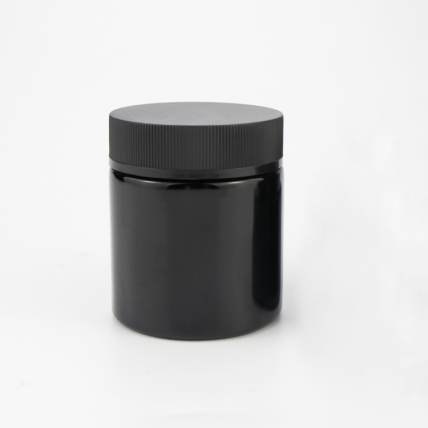
From the inspection of plastic bottle packaging materials, it can be seen that plastic bottles mainly include PET, PE, PVC, PP and other materials. The main component is resin, and resin refers to a polymer compound that has not been mixed with various additives. As a polymer synthetic material, plastics come in many varieties. Light weight, high strength, good impact resistance, good permeability, high transparency, easy coloring, good processing performance, easy to carry, store, transport and mechanical processing, and are favored by consumers and manufacturers. However, numerous packaging material testing data show that the phenomenon of material migration of plastic packaging containers for cosmetics has attracted more and more attention from consumers.
It can be seen from the detection of glass bottle packaging materials that most glass bottles are amorphous inorganic non-metallic materials, generally made of a variety of inorganic minerals as the main raw material, and a small amount of auxiliary raw materials are added. Its main components are silicon dioxide and other oxides. As a traditional packaging product, glass has many rare characteristics in the testing of packaging materials. Due to the advantages of good chemical stability, low penetration, good transparency, high temperature tolerance and rich raw materials, glass is used as the High-end cosmetics in packaging containers occupy a very important position in the market. However, its characteristics such as heavy weight, poor printing performance, easy to break, and inconvenient storage and transportation also greatly restrict its position in the market.