

Your Cosmetic Container Supplier Is More Important Than You Think
In the fiercely competitive cosmetics industry, brands often invest a lot of energy and resources in product research and development, marketing and brand promotion in order to attract consumers' attention. However, an often overlooked but crucial link is the supplier of cosmetic containers. Cosmetic containers are not just the "outerwear" of the product, they play a vital role in protecting the product, enhancing the brand image, influencing consumer experience and meeting sustainable development needs. Therefore, choosing the right cosmetic container supplier is crucial to the success of a cosmetics brand, and its importance far exceeds most people's imagination.

Container: The brand's "silent spokesperson"
The cosmetic container is the first step for consumers to contact the product, and it is also an important carrier for brands to convey their values and aesthetics. A beautifully designed and high-quality container can instantly improve the grade of the product, enhance brand recognition, and attract consumers' attention.
☆ Protect products and ensure quality and safety:
Physical protection: The most basic function of cosmetic containers is to protect products from external environmental damage, such as light, air, humidity, temperature changes, and squeezing. Different types of cosmetics require containers of different materials and structures to ensure their stability and effectiveness. For example, products containing active ingredients (such as vitamin C and retinol) require containers with good light protection to prevent the ingredients from oxidizing and becoming ineffective.
Chemical protection: Cosmetic containers need to have good chemical inertness to prevent the container material from reacting with the cosmetic ingredients, causing product deterioration or the production of harmful substances.
Microbial protection: Cosmetic containers need to have good sealing properties to prevent microorganisms from contaminating the product and ensure the hygiene and safety of the product.
☆ Enhance brand image and increase product appeal:
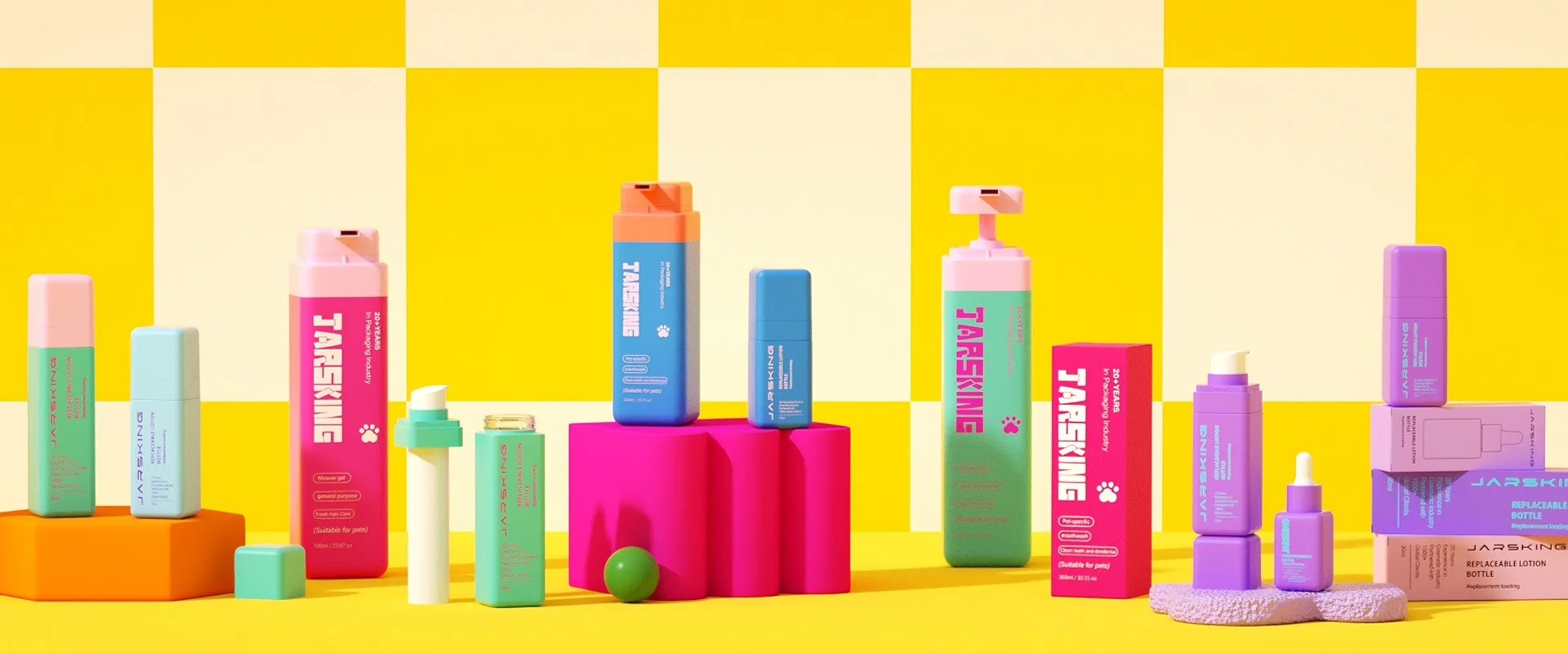
Visual presentation: The design of cosmetic containers directly affects the visual presentation of the product. Unique shapes, exquisite printing, and high-end materials can enhance the attractiveness of the product and leave a deep impression on consumers.
Brand recognition: Cosmetic containers are an important carrier of brand image. Through the design, color, material and logo of the container, the core value and cultural connotation of the brand can be conveyed, thereby enhancing brand recognition.
Delivering brand stories: The design of cosmetic containers can be integrated into brand stories, such as using unique shapes or patterns to tell the inspiration of the product or the development history of the brand, thereby enhancing the emotional connection with the brand.
☆ Improve consumer experience and enhance product value:
Ease of use: The design of cosmetic containers needs to take into account consumers' usage habits and needs, such as using bottle caps that are easy to open and close, and convenient pump heads or sprayers to improve the ease of use of the product.
Dosage control: For some cosmetics that require precise dosage, such as essences, facial masks, etc., the container design needs to help consumers control the dosage to avoid waste or improper use.
Tactile experience: The material and surface treatment of cosmetic containers will affect consumers' tactile experience. For example, using smooth and delicate materials can enhance the texture and value of the product.
Product residue: Good design can minimize product residue in the container, making it easier for users to use the product thoroughly and improving satisfaction.
☆ Meet the needs of sustainable development and fulfill social responsibilities:
Recyclability: Consumers are increasingly concerned about environmental issues, and the recyclability of cosmetic containers has become an important consideration. Using recyclable materials to make containers can reduce environmental pollution and enhance brand image.
Degradability: Some cosmetic brands have begun to use degradable materials to make containers, such as bioplastics, pulp molding, etc. to reduce plastic pollution.
Lightweight design: Using lightweight design to reduce the material usage of containers can reduce production and transportation costs while reducing carbon emissions.
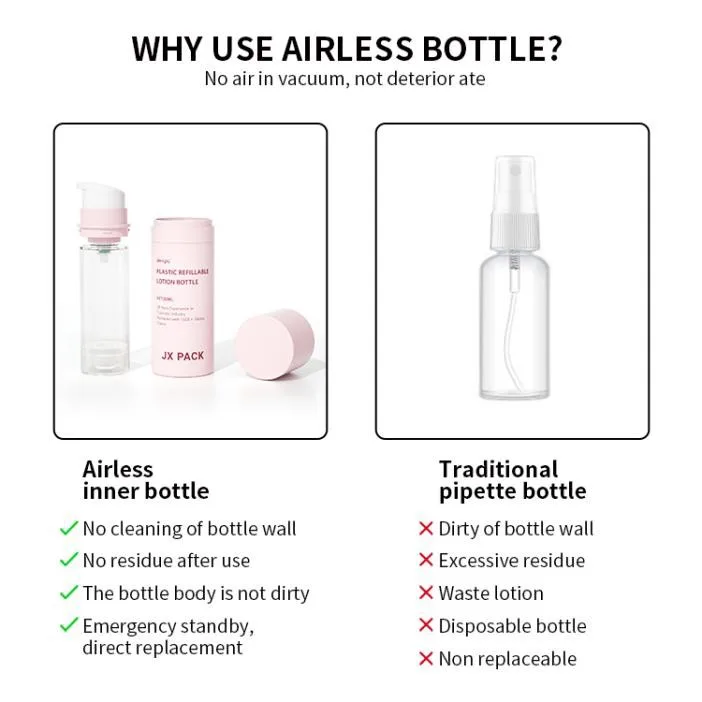
Reusability: Encouraging consumers to reuse cosmetic containers, such as introducing refills or offering container recycling programs, can reduce resource waste and enhance the brand's sustainable image.
Choosing the right cosmetic container supplier: multi-dimensional considerations
In the fiercely competitive cosmetics industry, cosmetic containers are not only product packaging, but also an important part of brand image, consumer experience and market competitiveness. Choosing a suitable cosmetic container supplier is crucial, as it directly affects product quality, brand reputation and the long-term development of the company. The following discusses in detail how to choose a suitable cosmetic container supplier from multiple dimensions.
1. Product quality and safety
--Materials and Design
The primary function of cosmetic containers is to protect products from external environmental influences, such as light, air, and humidity. Container materials provided by suppliers must meet international and regional quality standards, such as ISO certification or FDA approval, to ensure safety and durability.
Material selection : Suppliers should provide a variety of material options, such as glass, plastic, aluminum, etc., to meet the needs of different products. For example, glass containers are suitable for high-end products, while plastic containers are more suitable for mass production.
Design rationality : The design of the container should be reasonable to ensure the stability of the product during transportation and storage. For example, a container with a leak-proof design can avoid damage to the product during transportation.
--Quality Control
Companies should understand the supplier's quality control process and ensure that they strictly test every link in the production process. For example, set the acceptable quality limit (AQL) to define the acceptable range of defects while avoiding critical defects from affecting the product.
Raw material inspection : Suppliers should conduct strict inspection on raw materials to ensure that they meet quality standards.
Production process monitoring : Regularly monitor the supplier's production process to ensure that each step meets quality standards.
Product inspection : The containers provided by suppliers are strictly inspected, including tests on durability, sealing, etc.
2. Design and brand fit
--Visual appeal
The container is the first impression that consumers have of the brand, and its design should be consistent with the brand positioning. For example, a high-end brand may require an elegant, luxurious design, while a young fashion brand may prefer a bold, innovative look.
Colors and patterns : Suppliers should be able to offer a variety of color and pattern options to match the brand's visual identity system.
Shape and structure : The shape and structure of the container should match the brand's design style, such as round, square or special shapes.
--Customization capabilities
A good supplier should be able to provide a variety of customization options, including color, shape, printing and label design. These personalized services help brands stand out in the market.
Customized printing : Suppliers should be able to provide customized printing services, such as screen printing, thermal transfer, etc., to meet the personalized needs of the brand.
Label Design : Suppliers should be able to offer multiple label design options to match the overall visual style of the brand.
3. Functionality and User Experience
--Ease of use
The container design should be convenient for consumers to use. For example, the pump head design can accurately control the dosage, while the tube packaging is easy to carry and store.
Ease of use : The design of the container should take into account the consumer's usage habits, such as easy opening and closing.
Precise Dispensing : The container should be able to dispense the product accurately, avoiding waste and inconvenience.
--Product Protection
Functional design also needs to consider the protection of product ingredients, such as preventing the ingress of light or oxygen, thereby extending the shelf life of the product.
Light-proof design : Suppliers should provide light-proof containers to protect light-sensitive products.
Sealing : The sealing of the container should ensure the stability of the product during storage and transportation.
4. Sustainability and environmental protection
--Environmentally friendly materials
As consumers become more environmentally conscious, companies need to choose suppliers that use recyclable or biodegradable materials. This not only reduces environmental pollution, but also improves the brand's image among consumers.
Recyclable Materials : Suppliers should provide recyclable materials such as recycled plastic or paper packaging.
Biodegradable Materials : Suppliers should provide biodegradable materials such as PLA (polylactic acid) etc.
--Circular Economy Practice
Some suppliers offer reusable or refillable containers, an innovative design that both fits the environmental trend and appeals to consumers who are concerned about sustainability.
Reusable containers : Suppliers should provide reusable containers, such as glass or stainless steel containers.
Refill design : Suppliers should provide refill design to reduce single-use packaging waste.
5. Cost-effectiveness and price competitiveness
--Reasonable price
Although price is an important consideration, "cheap" does not mean "cost-effective". Low prices may be accompanied by low quality, which will damage the brand image. Companies should consider price and value comprehensively and choose suppliers that are within their budget and can guarantee quality.
Volume Discounts : Suppliers should offer volume discounts to reduce the overall cost to the business.
Long-term cooperation incentives : Suppliers should provide long-term cooperation incentives to enhance supply chain stability.
--Long-term cooperation potential
Choosing suppliers who can provide bulk discounts or long-term cooperation preferential policies can effectively reduce overall costs while enhancing supply chain stability.
Supplier stability : Supplier stability directly affects the timely delivery of products and the long-term development of the brand.
Partnership establishment : Companies should establish long-term partnerships with suppliers to ensure the stability of the supply chain.

6. Delivery capability and time management
--Timely delivery
Whether a supplier can deliver on time directly affects the company's production plan. Delayed delivery may lead to loss of market opportunities, so reliable delivery capability is an important criterion for evaluating suppliers.
Delivery time guarantee : Suppliers should be able to guarantee delivery time and avoid delayed delivery.
Transportation Management : Suppliers should be able to effectively manage the transportation process to ensure that products arrive safely.
--Inventory management capabilities
Excellent suppliers usually have sufficient inventory and warehousing capabilities to ensure a quick response to business needs, especially when market demand fluctuates.
Inventory Level Management : Suppliers should be able to manage inventory levels to ensure timely deliveries.
Storage conditions : Suppliers should provide appropriate storage conditions to protect the safety of products during storage.
7. Regulatory Compliance and Certification
--Regulatory requirements
The cosmetics industry is strictly regulated, so suppliers must comply with relevant laws and regulations, such as ISO certification or FDA approval. This not only ensures product safety, but also avoids legal risks.
International Certification : Suppliers should have international certifications such as ISO 9001 or ISO 14001.
Regional regulatory compliance : Suppliers should comply with regulatory requirements in different regions, such as the EU's REACH regulation.
--File Support
Qualified suppliers should be able to provide detailed material descriptions, test reports and compliance documents to meet different market access requirements.
Material Safety Data Sheet (MSDS) : Suppliers should provide MSDS to ensure material safety.
Regulatory Compliance Documents : Suppliers should provide regulatory compliance documents to demonstrate that their products comply with relevant regulatory requirements.
8. Service support and partnership
--Customer Service
A quality supplier not only provides products, but also has good customer service capabilities, such as responding to questions quickly, providing technical support, and assisting with logistics issues.
Responsiveness : Suppliers should be able to respond quickly to customer inquiries and questions.
Technical Support : Suppliers should be able to provide technical support to help customers solve problems encountered in using the product.
--Innovation
Suppliers with innovative capabilities can help companies develop unique packaging solutions to enhance their market competitiveness. For example, innovative container design or smart packaging technology can bring additional value to the brand.
New Product Development : Suppliers should be able to develop new products to meet new demands of the market.
Technology collaboration : Suppliers should be able to work with companies to develop innovative packaging solutions that are in line with market trends.
9. Evaluation and monitoring mechanism
--Performance Evaluation
Companies should regularly evaluate supplier performance, including delivery timeliness, quality consistency, and customer satisfaction. This will help identify problems in a timely manner and optimize partnerships.
Performance indicator setting : Companies should set clear performance indicators to evaluate supplier performance.
Regular evaluation : Companies should regularly evaluate suppliers to ensure that they continue to meet the company's requirements.
--Flexible adjustment
In long-term cooperation, companies need to flexibly adjust their cooperation strategies according to market changes, such as replacing suppliers that do not meet requirements or adding new partners to maintain their competitive advantage.
Supplier Diversity : Companies should maintain supplier diversity to avoid dependence on a single supplier.
Adjustment of cooperative relationships : Companies should adjust their cooperative relationships with suppliers according to market changes to ensure the stability and flexibility of the supply chain.

Recyclable packaging
Recyclable packaging will be another important trend. Suppliers will give priority to recyclable materials, such as recycled plastic or paper packaging, to reduce waste and carbon footprint. By using recyclable materials, suppliers can not only reduce environmental impact, but also enhance the brand's image among environmentally conscious consumers.
2. Customization and personalization
Intelligent technology
Through intelligent technology and artificial intelligence aesthetics, suppliers will provide consumers with more personalized packaging design and services. For example, using AI algorithms to analyze consumer preferences and provide customized container designs and color schemes to meet the needs of different consumers.
Artificial Intelligence Applications
Artificial intelligence will be used to optimize packaging design, quickly respond to consumers' personalized needs, and increase product added value. Through AI-driven design tools, suppliers can quickly generate multiple design options to help brands stay ahead in the market.
3. International development
Global Market Expansion
With the deepening of globalization, cosmetic container suppliers need to actively expand the international market and expand their market share and brand influence through overseas mergers and acquisitions, cooperation, etc. Suppliers will seek to cooperate with brands in different regions to provide products that meet the preferences of local consumers.
Localization Services
Suppliers will provide localized services to meet the specific needs of consumers in different regions and improve customer satisfaction. For example, in the Asian market, suppliers may provide smaller containers to suit the carrying needs of local consumers.
4. Market growth and competition
Market expansion
The global cosmetic containers market is expected to continue to grow, reaching $60.9 billion by 2025. This growth will drive suppliers to innovate and expand production to meet the growing demand.
Competition
Market competition will become more intense, and suppliers will need to compete for market share through technological innovation, market expansion and brand building. Suppliers will need to provide high-quality, environmentally friendly and personalized products to stay ahead of the competition.


