

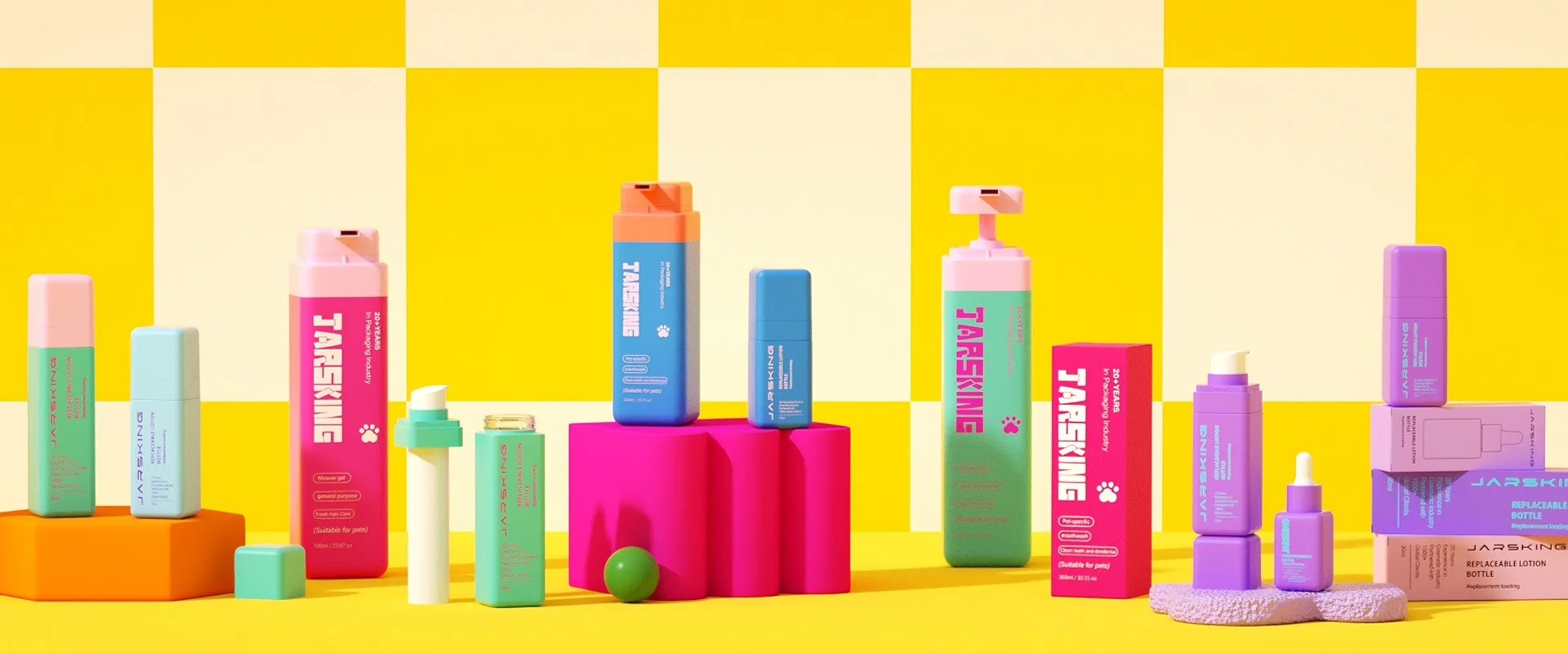
The Future Of Cosmetics Packaging: 2025–2035 Market Outlook
Cosmetics packaging serves as both the gateway and guardian for beauty and personal care products around the world. Its importance extends beyond basic containment; it embodies the intersection of marketing psychology, material science, sustainable design, and consumer experience. With shifting consumer aspirations, technological progress, and evolving regulatory frameworks, the packaging market for cosmetics stands at a critical juncture, poised for transformative changes over the coming decade. This article offers a sweeping examination of the forces shaping the market, combining industry analysis, regional developments, and future-facing strategies through the period 2025 to 2035.
Executive Summary of Market Forecast
The cosmetics packaging market, valued at approximately USD 61.3 billion in 2025, is expected to reach as much as USD 92.5 billion by 2035. This growth is projected to follow a steady compound annual growth rate in the 4–5% range, reflecting moderate but persistent gains driven by innovation and global consumer demand. While the market does not exhibit wild volatility or abrupt leaps, it continues a notable upward trajectory-fueled by industry-wide investments in premiumization, sustainability, and product differentiation.
Notably, skincare maintains its dominance, making up roughly one-third of total packaging consumption. Skincare packaging solutions must balance aesthetics, ingredient protection, shelf stability, and tactile cues, ensuring both brand fidelity and product safety. The share of makeup, color cosmetics, and haircare packaging closely follows, with new launches and collaborations multiplying across online and offline channels. Innovative solutions-like airless pumps, recyclable jars, and smart labeling-are steadily supplanting traditional formats.
Fragrance and perfume packaging, although a smaller percentage of the volume, capture disproportionate value through luxury design and emotionally resonant presentation. As emerging markets strengthen middle-class buying power, and a new generation of digital-native brands adapt to omnichannel strategies, diversity in packaging types and materials will expand. In this landscape, every component-from dispenser to label-becomes an opportunity for storytelling and product distinction.

Image source: https://www.futuremarketinsights.com/
Major Market Segmentation and Share
Product Categories and Their Evolving Role
Skincare Packaging: Dominates due to surging consumer interest in wellness, anti-aging, and cosmeceuticals. Packaging is often functional yet elegant, focusing on protection against contamination and visual signals of purity and efficacy. Sustainability and refillability are gradually being woven into the skincare sector's packaging playbook.
●Makeup and Color Cosmetics: Thrive on novelty, portability, and aesthetic differentiation. Unique packaging formats capture social media attention and support impulse buys. Compact, refillable, and limited-edition cases drive engagement and collectability.
●Haircare Packaging: Bottles, tubes, and dispensers for shampoos, conditioners, and treatments occupy a strong share. Functionality, easy handling, and visual branding remain core, but new growth areas include sustainable pouch refills and concentrated formulas in innovative containers.
●Fragrance & Perfume Packaging: Glass bottles, intricate caps, and specialty packaging reinforce brand heritage and evoke emotional ties. For luxury brands, packaging is as important as the scent itself-it must communicate value, exclusivity, and story at first glance.
●Personal Hygiene & Toiletries: Previously dominated by generic formats, this segment is being revitalized through eco-friendly materials, ruggedness suitable for travel, and new design cues that appeal to evolving habits and priorities.
By Packaging Type and Material
A critical distinction exists between primary (direct product contact, e.g., jars/tubes/bottles) and secondary (for branding, logistics, protection) packaging.
|
Packaging Type |
Description |
Key Features |
Typical Usage |
|
Primary |
Direct contact with product; includes jars, tubes, bottles. |
Designed to protect product integrity, enable ease of use, and maintain hygiene; critical for containment and preservation. |
Creams, serums, lotions, foundations, oils, fragrances |
|
Secondary |
Used for branding, logistics, and added protection. |
Focus on visual design, structural style, and protection during shipping or retail; facilitates unboxing and shelf impact. |
Folding cartons, rigid boxes, trays, shrink wrap for retail and e-commerce. |
|
Plastic |
Cost-effective, widely manufactured, highly versatile. |
Lightweight, moldable into various shapes; moving toward recycled and bio-based plastics due to new regulations and consumer environmental concerns. |
Bottles, tubes, jars, pump dispensers for all market segments. |
|
Glass |
Favored for premium and high-end products; perceived as "clean beauty." |
Infinity recyclability, luxury feel, clarity, inert material; growing use as brands emphasize sustainability and non-reactivity for sensitive formulas. |
Perfume bottles, serum droppers, luxury jars, high-end skincare. |
|
Metal/Aluminum |
Offers durability and a sense of permanence; conveys modernity and protection. |
Can be recycled; protects product from light and air, extending shelf life; tough under transport, presents a premium image. |
Lip balm tins, solid perfume cases, tubes for creams and balms. |
|
Paper/Paperboard |
Central in secondary packaging, especially for direct-to-consumer shipping. |
Lightweight, customizable, recyclable; rising investment in barrier coatings enabling broader product compatibility; aligns with sustainable branding. |
Boxes, cartons, sleeves, shipping containers, branded outer packaging. |
|
Hybrid/Next-Gen |
Biodegradable polymers, bamboo, fiber composites at the market's forefront. |
Early adoption positions brands as sustainability pioneers; combine benefits of multiple materials to address environmental and product requirements, often with added style and practical features. |
Refillable containers, eco-focused packaging, innovative concept products for sustainability-forward brands. |

Image source: https://www.fdli.org/
Regional Outlook and Growth Dynamics
Asia-Pacific
Asia-Pacific, with its vast diversity of economies and cultures, is the undisputed growth engine for the cosmetics packaging sector. Urbanization, rising incomes, and intensifying beauty consciousness drive remarkable gains in both volume and sophistication. China, as the singular giant, combines massive domestic demand, advanced manufacturing, and fast-moving digital retail. Brands innovate packaging for e-commerce optimization-prioritizing protection, attractive presentation, and "It factor" unboxing moments.
India marks the ascendance of regional brands and aspirational consumers, rapidly expanding beyond tier-one cities. Refillable, lightweight, and eco-centric packaging resonates with increasingly aware urban buyers. Japan and South Korea, recognized for beauty innovation, are test beds for advanced packaging features-think airless dispensers, miniaturized containers, and customization technologies.
APAC's extreme digital penetration also means that packaging design must translate beautifully in photos and videos-a trend that's transforming everything from color palettes to ergonomic form factors.
North America
In North America, especially the United States, mature markets pivot towards premiumization, experiential branding, and environmental stewardship. Brands compete on secondary features-like anti-tamper measures, reusable designs, and interoperability with smart home devices (e.g., app-connected dispensers). There's also a pronounced rise in travel-friendly formats, as lifestyles continue to value convenience and mobility.
Direct-to-consumer sales have reshaped packaging priorities: what works on a boutique shelf may not fare so well in a subscription box or as part of an Instagram haul. As such, manufacturers now consider drop testing, digital print customization, and secure closures as standard.
Europe
Regulatory leadership and advanced recycling infrastructure set Europe apart. European Union mandates require rapid compliance around plastics usage, extended producer responsibility, and life-cycle analysis. Countries like Germany, France, and the UK lead in deploying modular, refillable, and lightweight packaging. Collaboration between established converters and upstart brands powers continual ideation and execution.
The circular economy ethos goes beyond compliance and becomes a tool for premium differentiation-luxury brands increasingly anchor their value in responsible sourcing, artisanal craftsmanship, and distinctive post-consumer recovery programs.
Rest of World
Emerging markets in Latin America, the Middle East, and Africa are crucial for long-term growth. Brands here often leapfrog traditional routes, testing digitally driven strategies and hyper-local products with packaging adapted for harsh climates and resource constraints. JPAC, Turkey, UAE, and Brazil demonstrate the massive untapped potential of ambitious, beauty-savvy populations. Packaging manufacturers thus face dual mandates: provide affordable, robust solutions while laying foundations for rapid upscaling as middle-class populations expand.
Why Is the Cosmetics Packaging Market Growing?
The growth of the cosmetics packaging market is being driven by a blend of cultural, economic, and technological factors that are transforming the global beauty industry. Today, beauty and self-care products are widely considered everyday necessities instead of rare luxuries, resulting in significantly increased consumption across all regions. This growth is accelerated by the influence of changing beauty standards, as celebrities and content creators continually introduce new trends, leading to a near-constant launch of innovative skincare and makeup products. Each new product debut creates fresh demand for packaging that is not only visually striking but also optimized for sharing and unboxing in digital spaces. Alongside these trends, the ongoing rise of disposable incomes, especially among the expanding middle classes in emerging markets, is giving more consumers access to both affordable and prestige cosmetic options, further stimulating demand for a broader array of packaging types and finishes.
commerce and direct-to-consumer channels have added another layer of complexity and opportunity. Since products must withstand the rigors of shipping while providing a memorable unboxing experience, brands are investing more in secondary and protective packaging solutions. The drive for sustainability now plays a central role in consumer preference and regulatory policy: eco-conscious shoppers increasingly seek out products with recyclable, biodegradable, or refillable packaging, and governmental bans on single-use plastics are hastening the adoption of greener alternatives. In addition, rapid innovation in materials, manufacturing, and printing technology is empowering brands to offer custom-designed packages, integrate anti-counterfeiting features, and create interactive experiences through smart packaging. The ongoing premiumization of cosmetics-even among mass-market brands-means that tactile quality, distinctive finishes, and personalization are key to winning customer loyalty and advocacy. Taken together, these forces mean brands and suppliers face mounting pressure to innovate quickly and anticipate evolving consumer needs, ensuring the cosmetics packaging market will continue to grow and diversify well into the future.

Image source: https://www.futuremarketinsights.com/
Trends and Innovations in Cosmetics Packaging
Sustainability & Circular Models
True sustainability in packaging is advancing on multiple fronts. Bioplastics, compostable materials, recycled glass, and paper-based tubes are now widely trialed. Refillable systems-where, for example, consumers keep a durable outer container and purchase compact refills-are gaining mainstream acceptance. Leaders such as L'Oréal and Unilever pilot programs that drastically reduce virgin material use and champion full supply-chain traceability.
Brands not only seek to minimize ecological impact but also tell compelling circularity stories on their packs: showing a bottle's recycled content, using "ocean plastic," or inviting consumers to return empties for loyalty points.
Customization, Digital Printing & Smart Packaging
Advanced digital printing brings nearly limitless design versatility to packaging. With shorter production runs, brands can localize or personalize messages, tweak seasonal graphics, or even print individualized labels for influencer collaborations.
Smart packaging is also on the rise: embedded QR codes link consumers to instructional videos, AR experiences, or social media platforms. NFC chips ensure authenticity for premium perfumes and skincare.
Other innovations include temperature-sensitive inks (revealing when a serum's gone bad), snap-together modular packs, and anti-leakage closures that ensure hygiene and reduce product wastage.
Premiumization, Aesthetic Experience & Luxury
Visual and tactile sophistication is paramount, especially for brands at the higher end of the market. Frosted or custom-molded glass, complex multi-part closures, metallic foils, magnetic clasps, and velvet-touch coatings elevate the user experience, boosting perceived value well beyond the formula inside.
Exclusive packaging is not limited to prestige categories; "masstige" and mass-market brands also experiment with elegant finishes and unique ergonomics to raise differentiation and foster emotional connections.
New Business Models & Consumer Engagement
Packaging is increasingly designed to facilitate new retail models-from subscription beauty boxes to personalized "build your regimen" sets. Loyalty is deepened when customers can interact with packaging, scan for authenticity, or join "eco-refill" recycling schemes. Many brands now see packaging as a continuous medium for engagement-integral to pre-purchase, use, and repurchase cycles.
Challenges to Market Growth
The path forward for the cosmetics packaging industry is filled with formidable challenges that test both the resilience and adaptability of brands and their supply partners. Achieving sustainability is often expensive and complex; the transition to bioplastics, glass, or hybrid eco-materials requires substantial investment in specialized manufacturing lines and new supply networks. These costs place a particular burden on smaller companies, which may face prohibitive minimum order requirements and find it difficult to absorb premiums on environmentally friendly materials. As the regulatory environment becomes increasingly fragmented and fast-evolving, brands must constantly adjust to a patchwork of local requirements regarding plastics and recycling, raising both operational risks and compliance expenses.
Supply chain vulnerabilities, further exposed in recent years by geopolitical disruptions and raw material shortages, can destabilize production schedules and force brands to reconsider their reliance on just-in-time systems. Strategic stockpiling, diversifying suppliers, and investing in local sourcing become necessary-yet can complicate inventory and cost management. Meanwhile, the rise of socially conscious consumers, particularly among younger generations, has sharpened scrutiny of packaging claims. Transparency about ingredients, packaging materials, and ethical sourcing is now expected, and missteps-whether real or perceived-can quickly erode brand loyalty.
Additionally, the cosmetics landscape is fragmenting as new product launches, indie brands, and personalized beauty experiences flood the marketplace. This explosion in SKUs and customized packaging solutions intensifies logistical challenges and operational complexity, demanding that companies remain agile while ensuring efficiency and consistency across a proliferating array of formats and channels. Against this backdrop, only those brands that successfully navigate cost, compliance, supply chain resilience, and consumer trust will secure steady growth and lasting relevance in the rapidly shifting world of beauty packaging.
The Competitive Landscape of the Cosmetics Packaging Market
Competition in the cosmetics packaging market is increasingly defined by advances in material science, design ingenuity, and brand-centric customization. Leading companies such as Amcor plc, Aptar Group, and Silgan Holdings set the standard, offering an extensive range of bottles, jars, tubes, and closures fitted with advanced barrier technologies and visually impactful finishes. These industry giants, alongside innovators like Gerresheimer AG and Berry Global, compete across the glass, plastic, and hybrid packaging spectrum for both luxury and mass-market beauty brands, leveraging lightweight structures and functional dispensing systems to meet diverse consumer needs. What distinguishes their products is the integration of specialized coatings, tamper-evident features, and ergonomic shapes that elevate brand identity and ensure product safety and convenience.
Mid-sized converters and specialized manufacturers are vital to the sector's diversity, enabling niche and boutique brands worldwide to launch new products rapidly with packaging that supports modular filling, fast prototyping, and unique secondary branding. This democratization of access allows small and medium businesses to benefit from high-quality, adaptable packaging without significant upfront investment. Leading firms also increasingly emphasize sustainability, offering eco-friendly material alternatives and comprehensive service portfolios that include design consultancy, filling line integration, and streamlined logistics.
As the market becomes more digitally driven, companies differentiate through automation, smart anti-counterfeiting measures, and advanced integration for brand testing. The emphasis on customer support is also growing, with services such as refilling, recycling advice, and regulatory guidance now regarded as essential parts of the value proposition. Ultimately, today's packaging leaders strive to pair uncompromising functional performance with striking visual appeal, ensuring their solutions not only protect but also promote, enhance shelf visibility, and foster brand loyalty-hallmarks of a cosmetics packaging market defined by adaptability, innovation, and operational excellence.
Competitive strategies center on:
●Sustainability credentials: Commitment to reducing carbon footprint, embracing post-consumer recycled content, and transparent reporting.
●Design and customization: In-house studios or strategic partnerships with design agencies to keep pace with trend cycles and offer white-label innovation.
●Digital and smart features: Integration of authentication, personalization, or loyalty tech into packaging.
●Agility and partnerships: Mergers and alliances help global players accelerate into emerging markets, while niche converters find scale in specialist segments.
Notably, disruptive start-ups and digital-first brands are pressuring incumbents to move faster and bolder. Platforms that offer "on-demand" or "packaging-as-a-service" models are streamlining the path from concept to commercial launch, democratizing access to premium packaging for indie beauty entrepreneurs.
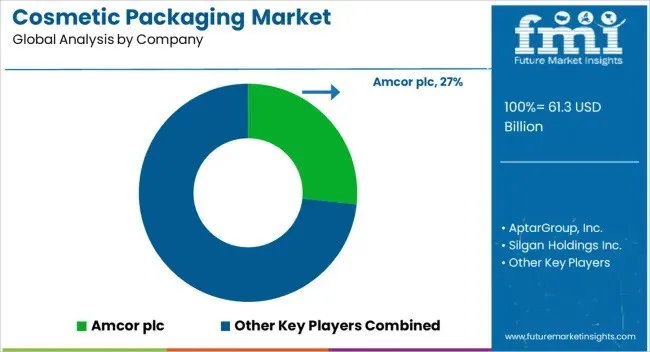
Image source: https://www.futuremarketinsights.com/
Future Prospects and Opportunities (2030–2035)
Looking ahead, the next decade for cosmetics packaging resembles a canvas of continuous transformation and creative opportunity.
●Refillable & zero-waste systems will become normal, not niche, permeating all price tiers and categories.
●Smart packaging will connect physical products with personalized digital experiences-enabling brands to foster ongoing relationships, gather feedback, and tailor marketing in real time.
●Automation, robotics, and AI-driven quality control will yield faster, more efficient, and less wasteful production environments, benefiting both eco-objectives and profitability.
●Material innovation-from nano-barrier coatings to biodegradable elastomers-will shrink the environmental footprint while preserving or enhancing product safety.
●The rise of "beauty everywhere" economies-including secondary cities in Asia, fast-growing African capitals, and Gen Z-led North American markets-will generate demand for more adaptive, region-sensitive packaging.
For brands, suppliers, and investors, the coming years represent not just a commercial opportunity, but a broadening mandate to positively influence culture, wellness, and the environment through every tube, jar, and box.
Between 2025 and 2035, the cosmetics packaging market will not only grow in size, but transform in substance and meaning. What was once a functional afterthought has become the "first contact" for consumers and a messenger of values in a world deeply shaped by beauty, technology, and environmental urgency. Through creativity, advanced materials, and ethical commitments, packaging will continue to both reflect and shape society's understanding of self-care, luxury, and responsibility. For those prepared to innovate and engage holistically, the decade ahead will be rich with both challenge and promise.


