
Cosmetic Packaging As A Covert Social Class “Filter”
Introduction: When Packaging Speaks Without Words
The modern world is padded with symbols that whisper status, taste, and belonging. Few are as quietly eloquent as the box of a luxury cosmetic product. To the untrained eye, it is a mere container, a temporary shell that safeguards cream or powder. To the culturally literate, however, it is a declaration. The texture of its paperboard, the precision of its typography, and the restraint or flourish of its color palette all carry messages about who can afford, understand, or even belong within its aesthetic world.
Cosmetic packaging today performs an eloquent social act. It no longer merely protects a product-it articulates an identity. Within the visual economy of consumer culture, packaging functions as a highly coded form of nonverbal communication. It identifies insiders and outsiders in the same quiet way that accents or table manners once did. Each tube, bottle, and box participates in a collective grammar of aspiration, subtly guiding the viewer toward judgments of taste and authenticity.
Drawing on social semiotics and class theory, this article argues that cosmetic packaging acts as a silent ticket-a covert filter separating social groups through its design and symbolic language. It achieves this through what we might call a visual grammar of shape, texture, typography, and color that demands cultural literacy to interpret. Class filtration is reinforced by the psychological unease provoked by counterfeits and "dupes," and further dramatized on social media, where packaging migrates from private space to public display.
Unpacking these aesthetic codes reveals how even the smallest object-a box no larger than a hand-embodies the social hierarchies and anxieties of twenty-first-century life.
From Container to Communicator: A Short History of Packaging Prestige
For centuries, packaging carried one simple mandate: to protect and preserve. A jar sealed air-tight or a tin designed to survive transit spoke primarily to function. The Industrial Revolution changed that equation. As mass production flooded markets with nearly identical goods, packaging became the primary site of differentiation. It began to speak, visually and emotionally, on behalf of its contents.
By the mid-twentieth century, consumer culture had expanded the role of packaging from protective shell to symbolic armor. Marketers recognized that the surface of a product could whisper stories of quality, heritage, sensuality, or aspiration. In cosmetics, this transformation was especially potent: beauty itself was an aesthetic ideal, and thus the vessel housing beauty products demanded its own aesthetic perfection.
Social semioticians, following thinkers like Roland Barthes and Gunther Kress, remind us that objects are not mute-they are sign systems. Every stylistic choice contains encoded meanings, accessible only to those who possess the cultural competence to decode them. The gold-rimmed perfume bottle evokes aristocratic tradition; the satin-finish black lipstick tube channels mystery and power; the frosted glass jar speaks purity and restraint.
These are not accidents of taste but instruments of social communication. As the twentieth century turned to the twenty-first, cosmetic packaging became the language through which class distinction quietly reasserted itself in a market theoretically open to all. Pierre Bourdieu's concept of "distinction" finds vivid expression here: through subtle and often unconscious visual cues, brands and consumers maintain symbolic hierarchies under the guise of personal choice or aesthetic preference.
Thus, the cosmetic box ceased to be a mere container. It graduated into a communicator, transmitting messages about value and virtue that stretch far beyond the price printed on a receipt.
The Code of Visual Grammar: Packaging as a Semiotic System
Cosmetic packaging can be read like a carefully composed text, its language written in color, material, typography, and structure. Each design element performs a syntactic function, arranging shape and texture into patterns of meaning. Together, these elements form a visual grammar-a coded system that communicates class, taste, and cultural belonging without words. For those fluent in its aesthetic rules, packaging becomes instantly legible, signaling refinement and access. For others, its meanings remain opaque, preserving a subtle boundary between those who can interpret its codes and those excluded from its symbolic world.
1. Typography and the Tone of Voice
Typography functions as packaging's accent, inflecting how the viewer "hears" the brand's voice. The serif fonts of French heritage brands like Dior or Guerlain convey lineage and refinement; thin, widely‑spaced sans-serifs-favored by Aesop or Glossier-declare modernity and effortless taste. The choice between cursive ornamentation and minimalist geometry becomes a small cultural referendum on what kind of class narrative the brand intends to project.
Minimalist typography has, paradoxically, become the most exclusive dialect. The quieter the font, the greater the cultural capital required to recognize its pedigree. Where once luxury was shouted in gold leaf, it now whispers in barely perceptible embossing. This silence is strategic-it assumes the viewer's literacy, rewarding those who know and excluding those who do not.
2. Color, Restraint, and the Politics of Taste
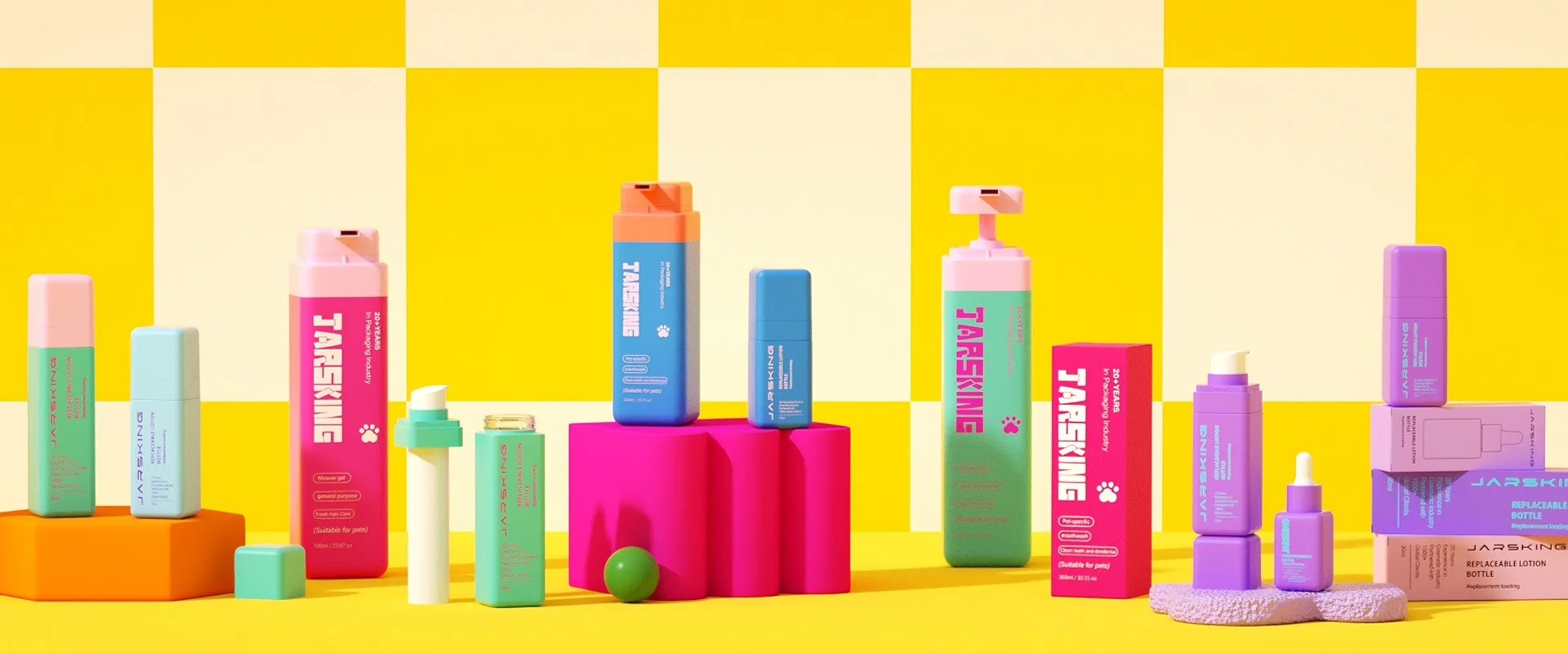
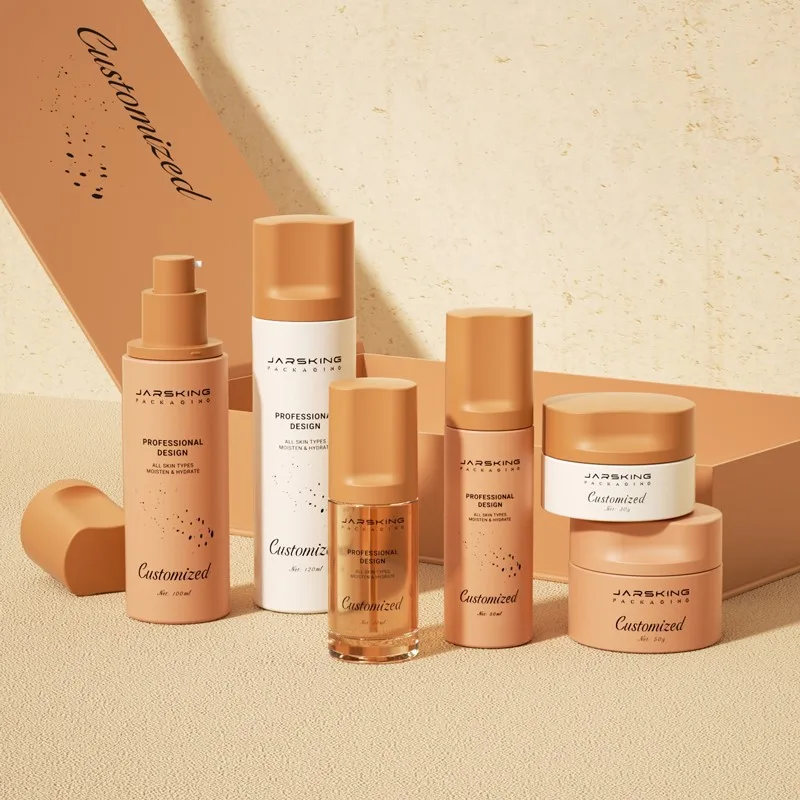
Color performs similar social work. Muted palettes-soft beige, taupe, bone white-have become visual shorthand for sophistication. Within certain markets, "loud" or saturated hues index accessibility or mass‑market appeal. The psychology of color has merged with sociological taste hierarchies: what appears "neutral" or "pure" in fact embodies class-specific ideals of restraint.
This aesthetic ideology extends to texture. A matte finish signals understatement, while glossy packaging may seem ostentatious. The preference for tactile subtlety mirrors upper-class codes of behavior, where showing off is vulgar and excellence is inferred, never announced. Minimal surfaces, therefore, carry maximal symbolic weight.

3. Material and the Haptic Code
The materiality of cosmetic packaging-the density of the cardboard, the precision of its folds, and the smooth resistance of a magnetic clasp-adds a sensory vocabulary to its visual message. Each physical detail signals craftsmanship and exclusivity, transforming the act of holding it into a quiet affirmation of ownership. Luxury packaging invites slowness; its tactile richness demands that the user savor the unboxing rather than rush it. This deliberate pause, much like a sommelier uncorking a bottle, turns mundane consumption into an intimate, almost ceremonial gesture that reaffirms both taste and belonging through touch.
4. The Literacy of the Viewer
Decoding such subtleties requires training-not formal education but cultural exposure. Those who frequent certain boutiques or absorb the aesthetics of glossy magazines learn to read these cues almost unconsciously. This is Bourdieu's habitus in motion: an internalized sense of what "feels right," cultivated through repeated social experiences.
Consequently, the world of packaging segregates not through explicit labels but through the ability to interpret silence. When someone photographs a minimalistic skincare bottle on a marble countertop, they signal their membership within a taste community that values quiet refinement over flashy abundance. The code functions precisely because it seems natural rather than learned.
5. Packaging as Cultural Password
Packaging operates as a cultural password-an object that discreetly grants entry into circles of taste and aesthetic literacy. Possessing a particular box signals more than purchasing power; it reveals familiarity with the unspoken codes that govern style, restraint, and authenticity. Displayed across vanities and social feeds, these identical containers silently communicate a shared visual vocabulary: an assurance that the owner understands the subtleties others might overlook. Each box becomes a small emblem of belonging, a material shorthand for cultural fluency, where owning the right design translates into knowing the right language of contemporary class expression.
The Anxiety of Counterfeiting: Fragile Symbols and the Quest for Purity
Wherever symbolic power concentrates, imitation inevitably shadows it. The elevated status of cosmetic packaging as a cultural code has fueled an extensive global market for "dupes" and meticulously crafted replicas that mimic luxury with uncanny precision. These imitations blur the boundaries between authenticity and aspiration, unsettling the delicate balance on which symbolic capital depends. When the visual cues of exclusivity-embossed lettering, matte textures, minimalist design-can be perfectly reproduced at a fraction of the cost, the authority of the genuine object begins to tremble. The proliferation of counterfeits reveals how value in consumer culture is sustained less by material quality than by belief in purity. As duplication spreads, the genuine product must continuously reassert its difference through subtler codes, new materials, and anti copying innovations, exposing the fragility of status symbols whose power relies on being both recognizable and unreachable.
1. The Paradox of the Dupe
The dupe economy thrives on aspiration. It promises to democratize beauty by offering the appearance of luxury without its price tag. Yet its proliferation only strengthens the exclusivity of the original. The very existence of fakes reaffirms the authentic item's symbolic centrality; counterfeits cannot exist without a genuine reference to copy.
Dupes flatten the visual distinction that packaging once maintained. When a $10 tube mimics a $70 lipstick's design with uncanny precision, the boundary between classes blurs. In response, the privileged consumer seeks new markers of authenticity-smaller cues invisible to casual imitation. Thus begins a perpetual semiotic arms race.
2. The Psychology of the Counterfeit User
Using a dupe carries emotional complexities. Many consumers experience what could be called class performance anxiety. The counterfeit's material similarity provides temporary satisfaction but also latent insecurity: will others notice it's not real? In that tension lies a fascinating psychological drama.
The counterfeit user simultaneously affirms and undermines the class system. By craving the visual signifier of luxury, they validate its authority; by purchasing its imitation, they disrupt its economy. Their internal conflict mirrors broader societal contradictions between meritocratic ideals and persistent inequality.
3. Branding Strategies of Re‑Purification
Luxury brands are acutely aware that their symbolic currency depends on controlling design codes. When imitation spreads, they pursue re‑purification-subtle design alterations, harder-to-replicate materials, and moral narratives about authenticity. Magnetic closures replace snap lids; micro‑engraved logos appear on inner linings; limited runs emphasize uniqueness.
These strategies serve less to prevent fakes than to recalibrate the threshold of aesthetic literacy. Each new design iteration demands a more refined viewer, ensuring that the semiotic distance between classes remains intact. In this perpetual cycle, anxiety itself becomes a marketing resource: consumers pay for reassurance of realness.
4. Sociological Consequence
The counterfeit crisis underscores packaging's role as a status battlefield. As copies multiply, the visual language of success must continuously evolve. This dynamic reflects capitalism's deeper rhythm of obsolescence, where meaning and value hinge on newness. The cosmetic box, once immutable, becomes ephemeral-a constantly revised code maintaining the illusion of exclusivity amid mass production.
The Digital Arms Race: Packaging in the Age of Display
The twenty-first century has moved aesthetic competition online. Platforms such as Instagram, TikTok, and Xiaohongshu have transformed private possessions into public performances. Cosmetic packaging, designed for tactile pleasure, now lives primarily through images. Its luxury lies as much in viewership as in ownership.
1. From Private Object to Public Symbol
Once kept in bathroom cupboards, cosmetic boxes now appear beneath ring lights, framed by manicured hands, their openings filmed in slow motion. The "unboxing video," once merely informative, has become a micro‑ritual of digital exhibitionism. Packaging design must now perform not only to the senses but to the camera. Smooth textures photograph better; reflective foil catches algorithmic light.
The purpose of packaging has inverted: it no longer serves the user alone but also the audience's gaze. Possession proves less important than performance. The "silent ticket" now admits not into salons and boutiques but into digital validation cycles.
2. Algorithmic Aesthetics and Social Capital
Online, beauty aesthetics merge with platform logic. Clean symmetry and minimalist color palettes attract attention, translating into likes, shares, and followers-modern forms of symbolic capital. The platform's algorithm thus rewards certain class-coded designs. Luxury becomes an engine for digital visibility.
Sociologically, this creates a feedback loop between brand aesthetics and social media metrics. Influencers gravitate toward packaging that photographs well; brands design with the grid in mind. The box's success is measured not by sales alone but by its shareability. The old function of packaging-to sell a product-has evolved into a new one: to sell an image.
3. The Aesthetic Arms Race
This visual economy privileges constant novelty. Influencers and consumers engage in what might be called an aesthetic arms race, competing to present the most current, rare, and sophisticated imagery. Each unboxing is both a celebration and a confrontation-a demonstration of who possesses cultural front‑row access.
In these digital theatres, packaging sits beside jewelry, watches, and travel snapshots as shorthand for a prosperous lifestyle. The cosmetic box becomes one more piece of visual weaponry in the fight for relevance and distinction.

4. New Forms of Exclusion
Ironically, platforms that promise democratization reproduce class stratification through imagery. The cost of producing a visually credible digital identity-lighting, backdrop, pristine products-excludes those without disposable income. "Taste" once again becomes a proxy for wealth, even as it masquerades as creativity.
At the same time, middle‑tier brands have learned to mimic high-end aesthetics, creating what might be termed affordable elitism. Their packaging borrows minimalist codes, blurring boundaries while sustaining aspiration. Consumers can momentarily participate in upper-class imagery without paying the corresponding price. Yet the illusion is temporary; each borrowing drives elite brands to invent fresh codes of separation.
Beyond the Box: Class, Identity, and the Future of Aesthetic Hierarchy
The rituals of packaging tell a larger story about the evolution of social class. As traditional markers-accent, family name, education-lose visibility in globalized societies, aesthetics fills the gap. Packaging, fashion, interior design, and digital self-presentation become portable emblems of social literacy.
Cosmetic boxes condense this phenomenon into a manageable object. They enact, at small scale, the dynamics of a stratified society: distinction through subtlety, anxiety through imitation, and validation through visibility. They teach consumers to recognize themselves and others through coded material signs, reinforcing boundaries even as they promise individuality.
From a semiotic perspective, this is a modern manifestation of indexical belonging: owning the box points to membership in a tribe that prizes aesthetic restraint and cultural know-how. From a psychological standpoint, it satisfies both belonging and differentiation-the twin engines of social desire. And from an economic viewpoint, it transforms transient design into perpetual value production, keeping consumers within a cycle of aspiration and renewal.
Nevertheless, these codes are not immutable. As sustainability discourses gain momentum, minimalist luxury faces moral scrutiny. The heavy box and ornate wrapping now risk appearing wasteful. Emerging eco-aesthetics favor plain recycled materials and transparent design, challenging older associations of luxury with surplus. Yet even this shift may constitute a new hierarchy: ecological virtue itself becomes a mark of elite consciousness. The silent ticket simply changes color and texture, not its function.
Conclusion: The Enduring Power of the Silent Ticket
The exploration of cosmetic packaging through the lenses of social semiotics and class theory reveals an object vastly more eloquent than its size suggests. Each box and bottle participates in a cultural grammar where color choice, typography, texture, and ritual communicate membership and exclusion. The act of holding or displaying a cosmetic container is therefore not trivial-it is a dialogue with a system of coded hierarchies.
In this visual economy, the "silent ticket" describes both privilege and precarity. For those who can afford authentic codes, it grants access to esteem and visibility. For others, it represents aspiration, imitation, or anxiety. Yet all participants remain bound within the same circuit of meaning, where class disguises itself as aesthetic preference.
The digital era has not weakened packaging's social function; it has amplified it. As long as platforms reward curated beauty, cosmetic design will serve as both artifact and algorithmic bait. The gaze may be virtual, but the distinction it enforces is painfully real.
Looking ahead, new materials and technologies-augmented reality filters, AI-generated branding, biodegradable luxury-will further complicate this landscape. Will future consumers purchase the product, the image, or the ideology encoded in its form? Perhaps the ultimate luxury will be silence itself: packaging so minimal, so conceptually pure, that it gestures toward invisibility. Yet even then, the silence will still speak-to those attuned to hear it.