

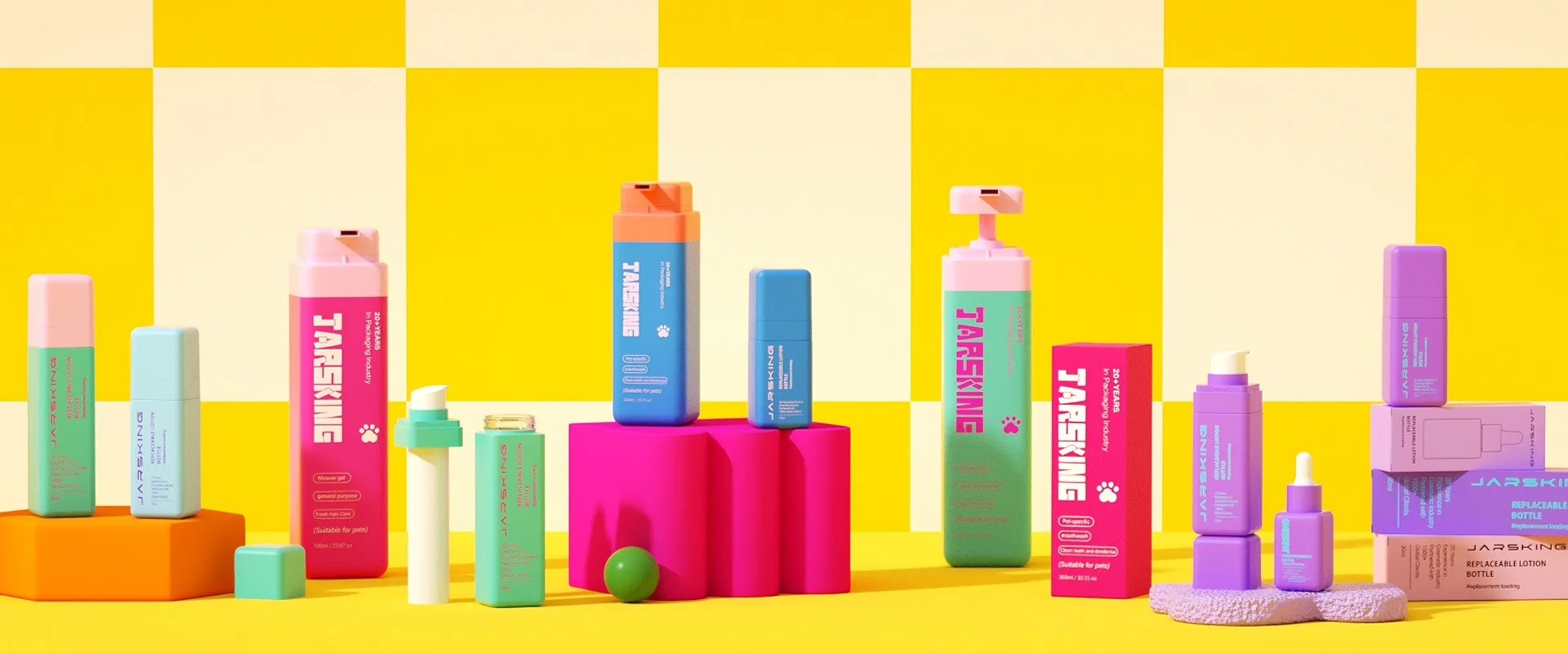
Modern Cannabis Packaging And Sustainable Cultivation
Cannabis cultivation has evolved from a clandestine craft to a sophisticated, science-driven industry. Today's growers must balance horticultural expertise, regulatory compliance, technological innovation, and environmental stewardship to succeed in an increasingly competitive market. Whether you are a home grower, a commercial cultivator, or an industry entrepreneur, mastering the full spectrum of cannabis cultivation is essential for thriving in this dynamic landscape.
This comprehensive guide covers every aspect of modern cannabis cultivation-variety selection, breeding, environmental control, nutrient management, pest and disease prevention, harvesting, packaging, compliance, technology, business strategy, and sustainability. Each section is packed with practical advice, real-world examples, and the latest industry insights, making this the definitive resource for anyone serious about growing top-quality cannabis.
1. Planting Technology & Skills: The Core Requirements
1.1 Variety Selection & Breeding
1.1.1 The Importance of Variety Selection
Choosing the right cannabis variety is the foundation of a successful grow. The genetics of your plants determine not only their growth characteristics, yield potential, and cannabinoid profile, but also their resilience to pests, diseases, and environmental stressors. Your choice should reflect your cultivation environment (indoor, outdoor, or greenhouse), local climate, market demand, and personal or business goals.
1.1.2 Indoor, Outdoor, and Greenhouse Varieties
Indoor Varieties: Compact, fast-flowering strains such as Blue Dream, Northern Lights, and White Widow are popular for indoor cultivation. These varieties are bred for manageable size, rapid flowering, and resilience to fluctuations in temperature and humidity. Northern Lights is especially favored for its forgiving nature, making it ideal for beginners.
Outdoor Varieties: Hardy, pest-resistant strains like Durban Poison, Frisian Dew, and Early Skunk excel outdoors. These plants are bred to withstand variable weather and resist common pests and diseases. Durban Poison is renowned for its adaptability and high CBD content, making it a favorite for both recreational and medicinal growers.
Greenhouse Varieties: Hybrids such as Sour Diesel, Jack Herer, and Amnesia Haze are well-suited to greenhouse environments, balancing high yield, disease resistance, and desirable cannabinoid and terpene profiles.
1.1.3 Growth Characteristics
Growth Cycle: Cannabis varieties differ in their flowering times. Indica-dominant strains may finish in as little as 7–8 weeks, while sativa-dominant varieties can take 10–14 weeks. Autoflowering strains, which flower based on age rather than light cycle, can be ready for harvest in as little as 8–10 weeks from seed.
Yield: Indicas often produce denser buds but lower overall yield, while sativas may offer higher yields but require more space and time. Hybrids can combine the best of both worlds.
THC/CBD Content: Modern breeding allows for precise targeting of cannabinoid ratios. High-THC strains are popular for recreational use, while high-CBD varieties are sought after for medicinal applications.
Disease Resistance: Breeding for resistance to mold, mildew, and pests is increasingly common, especially in regions with high humidity or pest pressure.

(Image source: https://mjbizdaily.com/)
1.1.4 Breeding Techniques
Hybridization:
Hybridization is the process of cross-pollinating two genetically distinct cannabis strains to produce offspring that inherit desirable characteristics from both parents. This technique allows breeders to combine traits such as higher potency, improved yield, enhanced disease resistance, and specific flavors or aromas. Traditional hybridization involves manually transferring pollen from the male plant's flowers to the female plant's pistils, resulting in seeds that carry a mix of genetic material. In recent years, advanced genetic techniques-including marker-assisted selection and controlled environment breeding-have enabled breeders to more precisely target and combine traits, accelerating the development of new and improved cultivars. For example, a breeder might cross a strain known for high THC content with another prized for mold resistance, aiming to produce a hybrid that excels in both areas.
Cloning:
Cloning involves taking cuttings from a healthy, mature "mother" plant and rooting them to create genetically identical offspring. This ensures that each new plant will express the same growth patterns, cannabinoid profile, and resistance traits as the original. Cloning is especially valuable in commercial cannabis operations, where uniformity and predictability are crucial for consistent product quality and yield. The process typically involves selecting a vigorous branch, cutting it at an angle, and placing it in a rooting medium under controlled humidity and lighting. Once roots develop, the clone can be transplanted and grown like any other plant. Cloning also allows growers to perpetuate elite genetics indefinitely, as long as the mother plant remains healthy.
Seed Selection:
Careful seed selection is a foundational aspect of successful cannabis breeding. Feminized seeds are produced by inducing female plants to create pollen, which is then used to fertilize other females. This process yields seeds that are almost exclusively female, which is important because only female plants produce the cannabinoid-rich buds desired for harvest. Using feminized seeds increases efficiency and reduces the labor required to identify and remove male plants, which do not produce usable flowers and can pollinate females, leading to seedy, lower-quality buds. Regular (non-feminized) seeds, which produce both male and female plants, are primarily used in breeding projects where the goal is to create new hybrids or stabilize genetic lines.
Genetic Testing:
Modern breeding increasingly relies on genetic testing and molecular analysis to select for specific traits at the DNA level. By using techniques such as polymerase chain reaction (PCR) and genetic markers, breeders can identify plants that carry genes for desired cannabinoid profiles (such as high CBD or balanced THC:CBD ratios), terpene compositions, growth rates, and disease resistance. This allows for more targeted breeding, reducing the guesswork and time involved in developing new strains. Genetic testing also helps verify the purity and authenticity of cultivars, ensuring that growers and consumers receive exactly what is advertised. As the cannabis industry continues to mature, genetic testing is becoming an essential tool for both commercial breeders and serious hobbyists aiming to optimize strains for specific effects, climates, or market demands.
1.1.5 Case Study: Targeted Breeding for Medical Use
A Canadian breeder used genetic testing and traditional cross-breeding to develop a high-CBD, low-THC strain specifically for pediatric epilepsy patients. This strain, now widely available, has improved quality of life for thousands of children and set a new standard for medical cannabis breeding.
1.2 Environmental Control
1.2.1 The Role of Environmental Factors
Environmental control is central to healthy, high-yield cannabis cultivation. Each factor-light, temperature, humidity, and airflow-directly impacts plant growth, bud quality, and disease resistance.
1.2.2 Light Management
Light Cycles: Cannabis requires 18–24 hours of light per day during the vegetative stage and 12 hours during flowering. Precise control of light cycles is essential for triggering flowering and maximizing yield.
Lighting Technology: LED grow lights have revolutionized indoor growing by offering customizable spectra, reduced heat output, and up to 40% energy savings compared to traditional HPS lamps. Full-spectrum LEDs allow growers to tailor light wavelengths to different growth stages, promoting vigorous vegetative growth and dense flowering.
Supplemental Lighting: In greenhouses, supplemental lighting can extend the growing season and ensure consistent yields, even in regions with limited sunlight.
1.2.3 Temperature and Humidity
Optimal Ranges: The ideal temperature range is 70–85°F (21–29°C) during the day and 58–70°F (14–21°C) at night. Humidity should be kept at 60–70% for seedlings and vegetative plants, and lowered to 40–50% during flowering to prevent mold.
Climate Control Systems: Modern grow rooms use HVAC systems, dehumidifiers, and automated controllers to maintain precise environmental conditions. IoT sensors provide real-time data, enabling growers to make rapid adjustments.
1.2.4 Ventilation and CO₂
Airflow: Proper ventilation prevents heat buildup, reduces humidity, and strengthens plant stems. Oscillating fans and inline exhaust systems are standard in all professional grows.
CO₂ Supplementation: Increasing CO₂ levels to 1,200–1,500 ppm can boost growth and yield, especially in sealed environments. Automated CO₂ injection systems are now common in commercial operations.
1.2.5 Advanced Environmental Control
IoT and Automation: Integrated environmental control systems use IoT sensors and AI algorithms to monitor and adjust temperature, humidity, light, and CO₂ in real time. These systems can reduce labor costs, improve consistency, and increase yields.
Greenhouse Innovations: Automated vents, shade cloths, and evaporative cooling systems help maintain optimal conditions with minimal energy use.
1.2.6 Pro Tip
Use oscillating fans to mimic natural wind, which strengthens stems, improves gas exchange, and helps prevent mold and mildew.

1.3 Nutrient Management & Hydroponic/Soil Culture Technology
1.3.1 Nutrient Requirements
Cannabis plants have distinct nutritional needs at each stage of growth:
|
Growth Stage |
Key Nutrient(s) |
Role in Plant Development |
|
Vegetative Stage |
High Nitrogen (N) |
Supports leafy growth and vigorous overall development |
|
Flowering Stage |
Increased Phosphorus (P) and Potassium (K) |
Promotes bud formation and resin (trichome) production |
|
All Stages (Micronutrients) |
Calcium, Magnesium, Trace Elements |
Essential for healthy growth, enzyme function, and disease resistance |
1.3.2 Soil vs. Hydroponics
Soil Culture: Organic soil supports beneficial microbes and natural nutrient cycling. Amendments like compost, worm castings, and bat guano provide slow-release nutrients and improve soil structure. Living soil systems, which use cover crops and compost teas, are gaining popularity for their sustainability and superior flavor profiles.
Hydroponics: Plants grown in hydroponic systems experience faster growth due to direct access to nutrients. Common systems include deep water culture, ebb and flow, and drip irrigation. Hydroponics requires precise pH (5.8–6.5) and electrical conductivity (EC) monitoring to avoid nutrient lockout and toxicity.
Coco Coir: A popular alternative to soil, coco coir offers excellent aeration and water retention, making it ideal for both hydroponic and soil-based systems.
1.3.3 Fertilization and Water Quality
Fertilizer Selection: Choose fertilizers based on plant stage and desired outcomes. Organic options include fish emulsion, kelp meal, and bone meal. Synthetic nutrients offer precise control but may impact flavor and environmental sustainability.
Water Quality Management: Regular testing for pH, dissolved oxygen, and contaminants is essential. Poor water quality can lead to nutrient deficiencies, toxicity, and reduced yields.
Flushing: Periodically flushing the root zone with clean water removes excess salts and prevents nutrient lockout.
1.3.4 Common Mistakes
Over-fertilization can lock out essential nutrients and stunt growth. Always follow manufacturer guidelines and monitor plant health closely.
1.4 Pest & Disease Control
1.4.1 Common Pests and Diseases
Pests: Aphids, spider mites, whiteflies, thrips, and caterpillars are among the most common cannabis pests.
Diseases: Powdery mildew, botrytis (bud rot), root rot, and fusarium wilt can devastate crops if not managed proactively.
1.4.2 Prevention and Integrated Pest Management (IPM)
**Prevention:**
Effective pest and disease prevention begins with maintaining a clean and well-organized growing environment. Regularly sanitize tools, containers, and surfaces to minimize the risk of introducing pathogens or pests. Ensure proper airflow throughout the cultivation area by using oscillating fans and well-designed ventilation systems; this not only strengthens plant stems but also discourages the development of mold and mildew, which thrive in stagnant, humid conditions. Monitor temperature and humidity closely, as extreme fluctuations can stress plants and make them more susceptible to infestations. In addition, companion planting is a natural and proactive defense-growing marigolds, basil, or garlic alongside cannabis can help repel aphids, whiteflies, and other common pests due to their natural aromatic compounds. Regularly inspect plants for early signs of pest activity or disease, such as yellowing leaves, spots, or webbing, and remove affected foliage promptly to prevent spread.
**IPM Strategies:**
Integrated Pest Management (IPM) is a holistic approach that combines multiple tactics to manage pest populations in an environmentally and economically sustainable way. IPM starts with cultural practices such as crop rotation, which disrupts pest life cycles, and strict sanitation protocols, which eliminate potential breeding grounds for pests and pathogens. Biological controls are a cornerstone of IPM-these include introducing beneficial insects like ladybugs, lacewings, and predatory mites that naturally prey on harmful pests. Microbial sprays containing beneficial bacteria and fungi, such as Trichoderma or Bacillus subtilis, can suppress disease-causing organisms in the soil and on plant surfaces. Chemical controls, such as insecticidal soaps or horticultural oils, are used sparingly and only as a last resort, with an emphasis on selecting products that are safe for beneficial organisms and break down quickly in the environment. Regular monitoring, record-keeping, and the use of pest thresholds (the level at which pests become economically damaging) help guide decision-making and minimize unnecessary interventions.
**Biological Controls:**
Biological control agents play a vital role in sustainable cannabis cultivation. Ladybugs (Coccinellidae) are voracious predators of aphids and other soft-bodied insects, while predatory mites (such as Phytoseiulus persimilis) target spider mites, a common cannabis pest. Nematodes, microscopic roundworms, can be introduced into the soil to attack fungus gnat larvae and root-dwelling pests. Microbial pesticides, such as Bacillus thuringiensis (Bt), are highly specific and target caterpillars and larvae without harming beneficial insects, pollinators, or the plants themselves. These biological solutions are safe for both the environment and consumers, and they can be integrated seamlessly with other IPM practices to maintain a balanced ecosystem in the grow space.

1.4.3 Treatment Options
Organic Pesticides: Neem oil, insecticidal soap, and garlic sprays are effective and safe for both plants and consumers.
Chemical Controls: Use only as a last resort, and always follow label instructions and legal restrictions.
1.4.4 Regular Scouting and Early Detection
Regularly inspect plants for signs of pests and disease. Early detection and intervention are key to preventing outbreaks and minimizing crop losses.
1.5 Harvesting & Post-Harvest
1.5.1 Harvest Timing
Trichome Monitoring: Use a magnifier to inspect trichomes. Harvest when most are milky white for peak THC, or slightly earlier for higher CBD content.
Pistil Color: When 70–90% of pistils have darkened, it's usually time to harvest.
1.5.2 Harvesting Methods
Manual Harvesting: Carefully trim large fan leaves before cutting branches. Use sharp, sanitized scissors to avoid damaging buds.
Mechanical Harvesting: Larger operations may use automated trimmers, but these can sometimes damage delicate flowers.
1.5.3 Drying & Curing
Drying: Hang branches upside down in a controlled environment (60°F/60% humidity) for 7–14 days. Proper drying prevents mold and preserves terpenes.
Curing: Place dried buds in airtight jars, opening daily for the first week to release moisture and improve flavor. Curing for 2–4 weeks enhances aroma, potency, and smoothness.
1.5.4 Storage
Long-Term Storage: Store cured buds in airtight, lightproof containers at cool temperatures to maintain potency and flavor.
1.5.5 Labeling and Traceability
Label all harvest batches with strain, harvest date, and batch number for compliance and quality assurance.
1.6 Legal Compliance
1.6.1 Understanding Regulations
Cannabis cultivation is heavily regulated, and laws vary widely by country, state, and municipality.
Plant Limits: For example, Canada allows up to four plants per household, while U.S. states have varying limits.
THC Caps: Some markets restrict flower to 30% THC or less.
Licensing: Commercial growers often need state or federal permits, which require background checks, facility inspections, and ongoing compliance reporting.
1.6.2 Compliance Best Practices
Record Keeping: Maintain detailed records of all cultivation activities, from seed to sale.
Seed and Clone Sourcing: Use only approved genetics from licensed suppliers.
Security: Implement security measures such as cameras, alarms, and restricted access to comply with legal requirements.
Labeling and Packaging: Ensure all products are labeled with required information, including THC/CBD content, batch number, and health warnings.
1.6.3 Staying Updated
Laws and regulations are constantly evolving. Stay informed by subscribing to industry newsletters, joining trade associations, and consulting legal experts.
1.6.4 Case Study: Compliance Management
A Michigan cultivator avoided costly fines and license suspension by implementing a compliance management system that tracked every plant from seed to sale and generated automated reports for regulators.
2. Equipment & Technology: Maximizing Efficiency
2.1 Core Equipment
2.1.1 Essential Equipment Overview
|
Type |
Recommendations |
Benefits |
|
Grow Lights |
LED full-spectrum panels |
40% energy savings vs. HID |
|
Hydroponics |
Ebb-and-flow systems |
30% faster growth than soil |
|
Climate Control |
Pulse Pro sensors |
Real-time pH/humidity tracking |
|
Trimmers |
Automated and manual options |
Labor savings, consistency |
|
Drying Racks |
Stackable, mesh racks |
Efficient space usage |
|
Packaging Machines |
Semi-automatic and automatic |
Speed, accuracy, compliance |
2.1.2 Maintenance and Best Practices
Routine Cleaning: Prevent equipment failure and contamination by cleaning and sanitizing regularly.
Calibration: Calibrate sensors and meters to ensure accurate readings.
Backup Parts: Keep spare bulbs, filters, and critical components on hand to avoid downtime.
2.1.3 Cost-Benefit Analysis
Investing in high-quality equipment pays off in higher yields, better product quality, and reduced labor costs over time.
2.2 Emerging Technology
2.2.1 Automation and AI
Automated Irrigation: Smart systems adjust watering based on real-time soil moisture and plant needs, reducing water waste and labor.
Nutrient Dosing: Automated nutrient delivery systems ensure precise feeding, improving consistency and reducing errors.
AI Analytics: Platforms like Growlink and Agrify use machine learning to predict yield gaps, optimize feeding schedules, and detect plant stress before visible symptoms appear.
2.2.2 IoT Integration
Sensors: Wireless sensors monitor temperature, humidity, CO₂, and light intensity, providing real-time data to growers.
Remote Access: Cloud-based platforms allow growers to monitor and control their operations from anywhere, improving flexibility and responsiveness.
3. Market & Business: Boosting Profit
3.1 Market Trends
3.1.1 Consumer Preferences
Organic and Sustainable: 68% of buyers now prefer organic, sustainably grown cannabis.
Lab-Tested Products: Consumers demand transparency and third-party lab results for potency and contaminants.
Unique Strains: Novel genetics and rare terpene profiles command premium prices.
3.1.2 Pricing and Branding
Premium Pricing: Lab-tested, organically grown flower commands 15–20% higher prices.
Brand Differentiation: Eco-friendly packaging and transparent cultivation practices attract eco-conscious consumers.
3.1.3 Sales Channels
Dispensaries: The traditional retail model, subject to strict regulations and licensing.
Online Sales: Growing rapidly in legal markets, with direct-to-consumer delivery and subscription services.
Wholesale: Selling to processors, extractors, or other growers.
3.2 Product Quality & Packaging
3.2.1 The Critical Role of Packaging
Packaging is the bridge between cultivation, compliance, consumer trust, and sustainability. It preserves product quality, ensures regulatory compliance, enhances brand identity, and can significantly impact environmental footprint.
3.2.2 Key Packaging Considerations
Preserving Freshness:
Airtight, lightproof containers preserve terpenes and cannabinoids, ensuring the product reaches consumers in peak condition.
Humidity packs or liners maintain optimal moisture levels, preventing mold and keeping buds fresh.
Odor-proof packaging is essential for discretion and compliance with public nuisance laws.
Regulatory Compliance:
Child-resistant locks and tamper-evident seals are required by law in most markets.
Packaging must display THC/CBD content, batch numbers, health warnings, and origin information.
Compliance with local and international regulations is essential to avoid fines and product recalls.
Sustainability:
Hemp plastic, recycled paper, and mycelium-based materials decompose in 90 days, reducing landfill waste.
Minimalist design and recyclable materials are increasingly popular.
Some jurisdictions, such as California, now require 100% recyclable packaging for cannabis products by 2026.
Branding and Consumer Experience:
Custom designs, colors, and textures help brands stand out in a crowded market.
Resealable and easy-to-use containers enhance customer satisfaction and repeat purchases.
Packaging is an opportunity to educate consumers about strain effects, usage tips, and responsible consumption.
Smart Packaging:
QR codes on packages give consumers access to lab test results, cultivation practices, and strain information.
NFC chips and blockchain technology are being explored for supply chain transparency and anti-counterfeiting.

Cannabis packaging from Jiaxing Packaging
3.3 Product Quality & Packaging
3.3.1 The Critical Role of Packaging
Packaging is the bridge between cultivation, compliance, consumer trust, and sustainability. It preserves product quality, ensures regulatory compliance, enhances brand identity, and can significantly impact environmental footprint.
3.3.2 Key Packaging Considerations
Preserving Freshness:
Airtight, lightproof containers preserve terpenes and cannabinoids, ensuring the product reaches consumers in peak condition.
Humidity packs or liners maintain optimal moisture levels, preventing mold and keeping buds fresh.
Odor-proof packaging is essential for discretion and compliance with public nuisance laws.
Regulatory Compliance:
Child-resistant locks and tamper-evident seals are required by law in most markets.
Packaging must display THC/CBD content, batch numbers, health warnings, and origin information.
Compliance with local and international regulations is essential to avoid fines and product recalls.
Sustainability:
Hemp plastic, recycled paper, and mycelium-based materials decompose in 90 days, reducing landfill waste.
Minimalist design and recyclable materials are increasingly popular.
Some jurisdictions, such as California, now require 100% recyclable packaging for cannabis products by 2026.
Branding and Consumer Experience:
Custom designs, colors, and textures help brands stand out in a crowded market.
Resealable and easy-to-use containers enhance customer satisfaction and repeat purchases.
Packaging is an opportunity to educate consumers about strain effects, usage tips, and responsible consumption.
Smart Packaging:
QR codes on packages give consumers access to lab test results, cultivation practices, and strain information.
NFC chips and blockchain technology are being explored for supply chain transparency and anti-counterfeiting.
3.3.3 Packaging Innovations and Trends
Biodegradable and Compostable Packaging: Companies are investing in plant-based plastics, mushroom mycelium, and recycled materials to reduce environmental impact.
Reusable Packaging: Some brands offer glass jars or tins that can be returned or repurposed, encouraging sustainability and customer loyalty.
Minimalist Packaging: Reducing packaging size and material use lowers costs and environmental impact.
Accessibility: Modern packaging design considers usability for people with disabilities while maintaining compliance.
3.3.4 Case Study: Sustainable Packaging Success
A Colorado cannabis company switched to hemp-based plastic jars, reducing their carbon footprint by 45% and winning eco-conscious customers. Another brand introduced compostable pouches, which break down in less than 90 days, aligning with their organic cultivation practices.
3.3.5 Packaging and Branding
Cannabis packaging is not just a container-it is the face and identity of the brand, playing a decisive role in how consumers perceive and remember a product. Thoughtfully designed packaging, with distinctive shapes, vibrant colors, and unique textures, instantly sets a brand apart on crowded dispensary shelves and creates a lasting first impression. Beyond aesthetics, packaging communicates the brand's values and story through carefully crafted graphics, logos, and messaging. Including educational inserts and guidance on responsible use not only informs consumers but also demonstrates a brand's commitment to safety and transparency, fostering trust and long-term loyalty. In today's competitive market, standout packaging doesn't just support a cannabis brand-it defines it, turning products into recognizable icons and elevating the entire consumer experience.
4. Industry News & Policy Interpretation
4.1 Staying Informed
Industry Publications: Subscribe to Cannabis Business Times, MJBizDaily, and High Times for news, trends, and best practices.
Trade Associations: Join organizations like the National Cannabis Industry Association (NCIA) for policy updates and advocacy.
4.2 Policy Updates
Regulatory Changes: Stay ahead of changes in licensing, packaging, testing, and marketing requirements.
International Developments: Track legalization and regulatory trends in emerging markets, such as Germany's 2025 legalization and expanding medical programs in Latin America and Asia.
5. Sustainability & Environmental Responsibility
5.1 Organic Planting Methods
5.1.1 Reducing Chemical Inputs
Compost and Green Manure: Build soil fertility naturally and reduce reliance on synthetic fertilizers.
Biological Controls: Introduce beneficial insects and microbes to maintain ecological balance and reduce pesticide use.
5.1.2 Crop Rotation and Cover Crops
Soil Health: Rotate crops and plant cover crops like clover and alfalfa to improve soil structure, fix nitrogen, and suppress weeds.
5.1.3 Water Conservation
Drip Irrigation: Delivers water directly to roots, reducing evaporation and runoff.
Rainwater Collection: Harvest rainwater for irrigation to reduce demand on municipal supplies.
Mulching: Retains soil moisture and suppresses weeds.

Sustainable packaging solutions from Jiaxing Packaging
5.2 Sustainable Packaging Solutions
5.2.1 Eco-Friendly Materials
Modern cannabis brands are increasingly turning to eco-friendly materials to reduce their environmental footprint and appeal to environmentally conscious consumers.
· Hemp Plastic: Hemp plastic is produced from the fibers of the hemp plant, a rapidly renewable resource that grows with minimal pesticide and water input. Unlike conventional petroleum-based plastics, hemp plastic is biodegradable and compostable, breaking down naturally over time without leaving harmful residues. Its durability and versatility make it suitable for a range of cannabis packaging applications, from jars to pre-roll tubes. By choosing hemp plastic, brands not only reduce reliance on fossil fuels but also support the broader hemp industry and circular economy.
· Recycled Paper: Using recycled paper for boxes, labels, and inserts significantly reduces the demand for virgin wood pulp, conserving forests and biodiversity. The production of recycled paper also requires less energy and water, resulting in a lower carbon footprint compared to traditional paper. Modern recycled paper packaging can be just as attractive and sturdy as new paper, and it's often fully recyclable or compostable after use, further closing the sustainability loop.
· Mycelium-Based Packaging: Mycelium, the root structure of mushrooms, is gaining popularity as a revolutionary packaging material. Grown in molds using agricultural waste as a substrate, mycelium forms lightweight, durable, and fully compostable packaging that can be custom-shaped for cannabis products. Once discarded, mycelium packaging decomposes naturally within weeks, enriching the soil rather than polluting it. Its unique texture and organic appearance also offer brands an opportunity to stand out with innovative, nature-inspired packaging.
5.2.2 Minimalist and Reusable Design
Sustainable packaging is not only about the materials used but also about thoughtful design that minimizes waste and encourages reuse.
·Right-Sized Packaging:By designing packaging that closely fits the product, brands can eliminate unnecessary material use, reduce shipping costs, and lower their overall environmental impact. Right-sized packaging also enhances the consumer experience by making products easier to store and transport, and it can help brands comply with evolving regulations that discourage excessive packaging.
· Reusable Containers: Glass jars and metal tins are durable, attractive, and ideal for multiple uses. Many cannabis companies now offer incentives for customers to return or refill their containers, such as loyalty points or discounts. This approach not only reduces single-use packaging waste but also fosters brand loyalty and ongoing customer engagement. Reusable packaging can be easily cleaned and repurposed by consumers, extending the life cycle of the materials and reinforcing the brand's commitment to sustainability.
By integrating eco-friendly materials and minimalist, reusable design principles, cannabis brands can significantly reduce their environmental impact, appeal to a growing segment of eco-conscious consumers, and set new standards for responsibility within the industry.
5.2.3 Regulatory Trends
California's Mandate: By 2026, all cannabis packaging must be recyclable or compostable, setting a precedent for other markets.
5.3 The Concept and Practice of Sustainable Planting
5.3.1 Energy Efficiency
Solar Panels: Offset electricity use for indoor grows.
LED Lighting: Reduces energy consumption and heat output.
Greenhouse Design: Maximizes natural light and minimizes artificial inputs.
5.3.2 Waste Management
Composting: Recycle plant waste into nutrient-rich compost.
Packaging Recycling: Partner with recycling programs to close the loop.
5.3.3 Carbon Footprint Reduction
Local Sourcing: Use local materials and suppliers to reduce transportation emissions.
Life Cycle Analysis: Evaluate the environmental impact of every stage, from seed to sale.
Conclusion
Modern cannabis cultivation is a multidisciplinary endeavor that demands expertise in horticulture, technology, business, compliance, and sustainability. By mastering variety selection, environmental control, nutrient management, pest prevention, and packaging innovation, growers can achieve high yields, premium quality, and market differentiation. Compliance, community engagement, and a commitment to sustainability are essential for long-term success.
Packaging is not just a finishing touch-it is a critical link between cultivation, compliance, consumer trust, and environmental responsibility. By investing in quality, compliant, and eco-friendly packaging, growers and brands can protect their product, build a loyal customer base, and contribute to a greener industry.


