

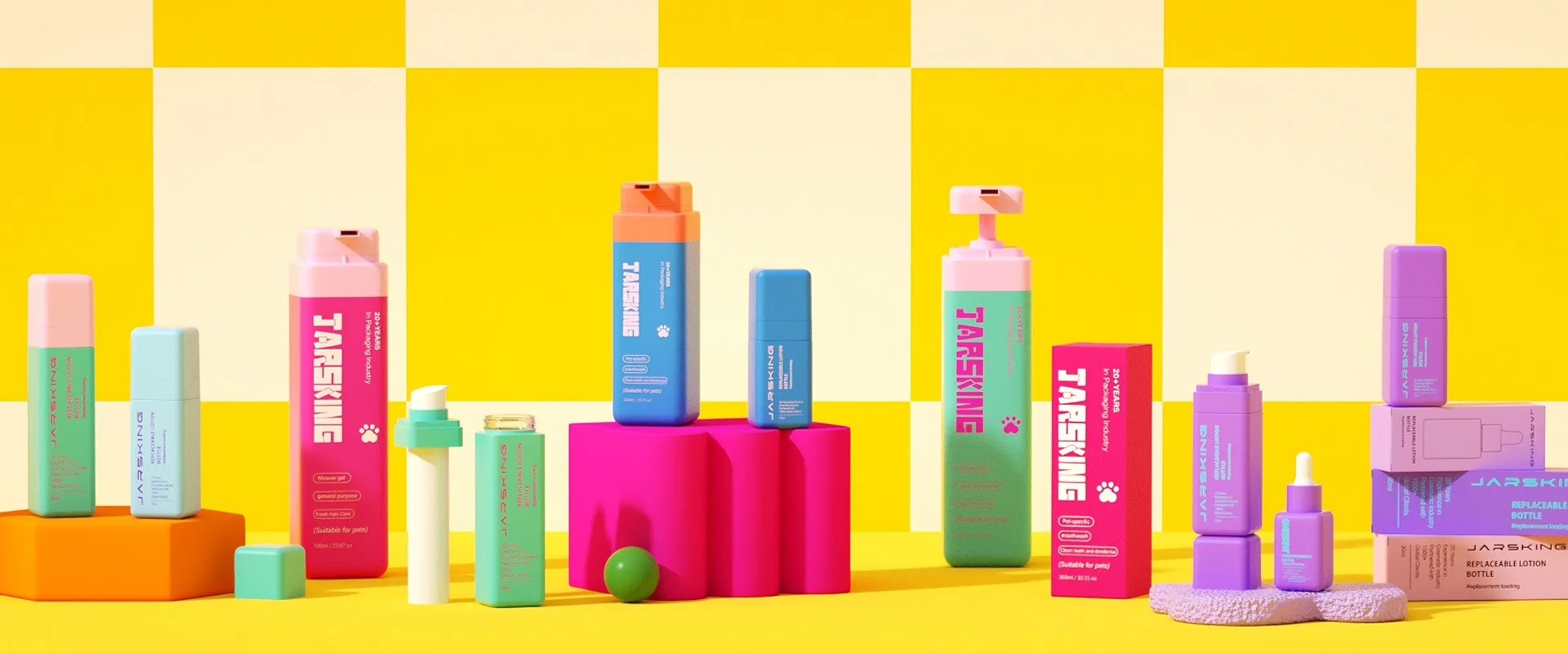
Evolution Of Paper Packaging in Cosmetics
In the vibrant and ever-evolving world of beauty and personal care, packaging holds a uniquely influential role that extends well beyond simple utility. Within this highly competitive industry, every detail matters-especially when it comes to first impressions and brand identity. Cosmetics are not merely functional items; they are intimate products closely tied to self-expression, personal aspirations, cultural trends, and the emotionally charged rituals of self-care. As such, the packaging chosen for these products does more than protect its contents during transit; it functions as a silent yet compelling advocate for the brand's values, ethos, and promise.
Before any words are exchanged or a bottle is opened, the consumer forms an instant judgment based on visual cues, tactile sensations, and subtle design elements present in the packaging. The paper box, in particular, has emerged as an indispensable medium for cosmetic bottles, uniquely positioned at the crossroads of function, artistry, and emotional storytelling. More than just a container, the paper box acts as a bridge between the brand and its audience, translating the brand's narrative into something tangible and memorable. Its versatility accommodates innovative printing, enchanting textures, creative shapes, and increasingly, eco-friendly materials-delivering a multisensory experience that can leave a lasting emotional impression.
The development of paper boxes for cosmetic bottles is the culmination of centuries of design evolution, technological advancement, and shifting consumer ideals. From the ancient days when fragrances and balms were treasured and carefully encased in ornate vessels, to the digital age where a product's package must dazzle both in the store and on a smartphone screen, each era has left its mark on how paper packaging is imagined and engineered. With the rise of social media and e-commerce, these boxes have taken on an even more crucial role: they must captivate with a single photo or video clip, transforming the act of unboxing into a shared experience that fuels modern marketing.
Understanding the central place of the paper box in cosmetics today requires looking back at this rich journey of cultural adaptation and creative problem-solving. Their story is one of both pragmatism and poetry: offering reliable protection to delicate, high-value formulas while simultaneously enhancing the emotional value of every beauty ritual, relationship, and reveal.

The Dawn of Cosmetic Packaging – Ancient Origins to Early Modernity
Cosmetic packaging predates the modern concept of "brand" by millennia. Ancient civilizations, from Egypt to Mesopotamia, treasured perfumes, balms, and beautifying unguents not merely as luxuries but as cultural artifacts imbued with spiritual, social, and medicinal meaning. Egyptians, renowned for their elaborate burial traditions and reverence for personal adornment, preserved their precious scents in alabaster, obsidian, and glass containers-each meticulously painted, carved, or inscribed. The containers themselves were coveted, sometimes more than the rare ingredients they held.
The Greeks and Romans adopted and refined these traditions, incorporating pottery, silver, gold, and intricately blown glass for their fragrances and oils. Packaging in this era was functional-a barrier against evaporation or spoilage-but it was also symbolic, signifying wealth, sophistication, and social standing. These vessels would often be reused, refilled, and sometimes handed down as heirlooms, blurring the line between object and artifact.
Papermaking, though invented in Han Dynasty China (circa 2nd century BCE), did not immediately revolutionize cosmetic packaging. For centuries, it remained too rare and costly for anything but official records, calligraphy, or sacred texts. Only as papermaking spread and techniques improved through the Middle Ages and into Renaissance Europe did paper gradually enter commerce, first for letters and bookbinding, then as a cheap, adaptable material for wrapping and labeling.
Eighteenth and Nineteenth Centuries: The Rise of Paper Wrapping and Labeling
The eighteenth and nineteenth centuries marked a period of profound transformation for personal care and beauty, driven in large part by the rapid progress of the Industrial Revolution. Urban centers across Europe and America bustled with apothecaries and perfumers, each vying to attract a blossoming middle class eager for new products and refined presentation. As cosmetics and fragrances grew in popularity, so too did the need for effective and visually appealing packaging methods that could support an expanding market, while addressing the practical challenges associated with shipping delicate glass bottles.
Initially, bottles of ointments, tonics, and perfumes were individually hand-wrapped in sheets of plain or printed paper. This wrapping offered modest protection against scratches and minor impacts, but also became an early form of branding when shopkeepers began stamping the paper with their emblems, product names, or scrolled signatures. For many customers, the presence of professional wrapping was itself a mark of authenticity and exclusivity-an assurance that the product inside was freshly prepared, genuine, and worthy of trust. As literacy rates rose through these centuries, decorative paper labels began to flourish, offering a new canvas for creativity. Embossed gold foil, intricate borders, and artistic illustrations appeared on labels and paper wrappings, turning the plainest jar into an object of beauty. In a rapidly growing market, even the most utilitarian vessel could become a seductive treasure if adorned with the right paper artwork.
Amid this landscape of innovation and increasing competition, one packaging breakthrough would change the entire industry: the invention of the folding cardboard box, also known as the folding carton. By the mid-to-late nineteenth century, advances in papermaking, cutting, and mass printing made it possible to produce sheets of sturdy paperboard that could be die-cut, creased, and glued into precise, foldable shapes. Unlike loose wrappings, these paperboard cartons fully enclosed their fragile contents on all sides, providing vastly improved protection against bumps, stacking pressures, and the hazards of transit by carriage, ship, or train.
The advantages of folding cardboard boxes extended far beyond mere safety. Flat, printable surfaces made them perfect billboards for detailed, eye-catching graphics and elaborate promotional messages. Commercial printing houses flourished, offering beauty brands the ability to commission distinctive designs-floral patterns, portraits, scientific motifs, and more-imprinted onto their packaging at scale. The folding carton thus became a critical nexus where innovation in materials met the burgeoning art of advertising. Customers could now identify their favorite face cream or cologne not just by the name, but by the instantly recognizable look and feel of the box itself.
Logistically, folding cardboard boxes streamlined both production and retail. Boxes could be shipped flat to manufacturers or stores, efficiently stacked in storage, then quickly folded into shape and sealed around the product. This innovation enabled the cosmetics industry to meet the demands of mass production while enhancing branding, quality assurance, and the overall experience for the consumer.
By the close of the nineteenth century, the folding cardboard box had become the standard for packaging not only cosmetics, but a wide array of consumer goods. This simple, elegant invention laid the foundation for the sophisticated, branded packaging strategies that define the modern beauty industry today.

Early Twentieth Century: Art, Glamour, and Psychological Appeal
With the blooming of consumer culture at the dawn of the twentieth century, the beauty industry became a laboratory for branding and product differentiation. From Paris to New York, fragrance houses and cosmetic pioneers like Coty, Guerlain, Max Factor, and Elisabeth Arden recognized the growing importance of packaging in the competitive retail landscape.
In this era, paper box design became a true art form. The influence of Art Nouveau and later Art Deco brought sweeping curves, bright colors, geometric motifs, and dazzling metallic foils to boxes cradling perfumes and creams. Luxury brands employed in-house artists or commissioned prominent illustrators, elevating packaging to a status akin to jewelry or fine art.
More importantly, marketers began to understand the psychological implications of packaging. The "feel" of a stiff, glossy box; the sound of a magnetic closure; the visual harmony between carton and bottle-all influenced how consumers perceived the product's value, efficacy, and exclusivity. Early advertisements in print and cinema frequently depicted the iconic moment when a paper box was opened, framing the brand as both gift and aspiration.
The box had become an inseparable part of the cosmetic ritual, offering not just protection but anticipation and emotional pleasure.
Mid-Twentieth Century: Innovation, Pop Culture, and Mass Appeal
The postwar decades heralded another shift. Cosmetics were democratized, celebrated by Hollywood stars, and promoted to a broad public eager for self-improvement and glamour. Technological leaps in print production enabled dazzling new effects: UV coatings, die-cut windows, embossed or debossed elements, and intricate, multi-layered compositions.
Paperboard boxes now supported not just everyday skincare and haircare (think Noxzema or Ponds), but also the growing men's grooming market and even the first teenage-targeted beauty ranges. Rigid paperboard boxes emerged for the most luxurious or gift-oriented items, turning perfume acquisition into an event rivaled only by fine jewelry.
Brands used their paper packaging to reflect and sometimes define pop culture. Boxes for "youthquake" fragrances in the 1960s and 70s embraced psychedelic colors and space-age motifs. Makeup brands embraced minimalist modernism in the 80s, while the pageantry of luxury returned in force during the 90s luxury boom.
Globalization also began changing the landscape. Multinational brands needed paper boxes that could comply with multiple languages, regulatory demands, and regional aesthetic preferences-all without losing their signature look. The paper box, ever adaptable, delivered.

Image source: https://www.harrods.com/
Late Twentieth to Early Twenty-First Century: Digital, Sustainability, and the E-Commerce Revolution
With the rise of the internet, social media, and omnichannel retail, the requirements for paper packaging took another evolutionary leap. Store shelves were no longer the sole battleground; packaging had to compete on the screens of mobile devices and inside boxes delivered by courier.
E-commerce created new logistical demands. Now, fragile glass cosmetic bottles might travel halfway around the world, exposed to rough handling and fluctuating temperatures. Shipping boxes and inserts became critical, and the unboxing moment entered the collective imagination-documented on YouTube, Instagram, and TikTok in videos that sometimes garnered millions of views. In response, brands designed cartons-within-cartons, pairing an outer protective shell with a beautifully printed retail carton for both safety and showmanship.
At the same time, consumer environmental awareness put pressure on brands to rethink their packaging footprint. Reports of microplastics in oceans, landfills filling with single-use cartons, and a growing demand for "green beauty" propelled the industry to develop boxes made from recycled, biodegradable, or certified sustainable paper. Trays, inserts, and even specialty coatings were reengineered to be as environmentally friendly as possible.
Minimalism, influenced by digital aesthetics and a backlash against overconsumption, gained traction. Many brands now favor simple, monochrome boxes with tactile natural finishes and restrained logos-letting quality, not opulence, suggest luxury.
Regional innovation also flourished. In Japan and South Korea, consumers valued both sustainability and aesthetic purity, favoring functional, elegant boxes with origami-like folds or ingenious closures. In Europe, a legacy of luxury and craftsmanship preserved a market for elaborate rigid boxes and specialty varnishes. In the Americas, the twin demands of eco-responsibility and Instagrammable design produced hybrid forms, where eco-boxes feature surprising pops of color or interactive digital elements.
The Paper Box in the Era of Values
By the 2020s, paper box packaging for cosmetic bottles had evolved far beyond its traditional role, emerging as a true reflection of the intricate values and expectations of modern consumers. No longer merely a vessel for transit, the cosmetic paper box now embodies a sophisticated fusion of art, ethics, and advanced engineering. Each aspect of its construction speaks not only to the protection of precious contents but to the wider narratives of sustainability, branding, and consumer experience that define today's beauty industry.
A cornerstone of this evolution is the radical improvement in engineering technologies used within the packaging itself. Protecting fragile cosmetic bottles-particularly those made from glass or containing sensitive active formulas-demands packaging solutions that rise above the ordinary. The introduction of honeycomb and corrugated cardboard structures represents a leap forward in this endeavor. Honeycomb inserts, inspired by the natural strength and efficiency of bee constructions, offer remarkable resilience while remaining exceptionally lightweight. These engineered cells dissipate impact energy, creating a shock-absorbent cradle that insulates each bottle during transportation and handling. The strength-to-weight ratio of honeycomb architecture often surpasses traditional solid board, allowing for thinner walls without sacrificing integrity. This means brands can provide impressive protection using less material, aligning perfectly with the contemporary demand for sustainability without compromising on safety.
Corrugated cardboard, long a staple of secondary and shipping packaging, has also undergone major advancement in both material science and design. Modern corrugated inserts feature multiple fluting options-ranging from micro-flute for slender, high-end bottles to triple-wall for heavier or larger items-ensuring that vibrations, pressure, and sudden drops are absorbed and distributed away from the cosmetic product. Die-cut inserts made to fit bespoke bottle profiles keep the product stationary, reducing the risk of abrasion or breakage. These innovations have made it possible for brands to reliably ship luxury skincare, oils, and perfumes across long distances, including the demanding environments of global e-commerce logistics. Some brands now even utilize hybrid honeycomb-corrugated systems for the ultimate in lightweight yet robust protection, minimizing both waste and damage claims.
Equally transformative is the pace of innovation in sealing and closure technology. In an age where unboxing is a ritual shared across social platforms, the way a cosmetic paper box opens and closes has become an essential element of both function and consumer delight. Magnetic closures are now engineered with precision, employing ultra-slim rare-earth magnets that provide a gentle yet secure snap. These systems ensure that luxury bottles remain safely encased, even when jostled in transit, while delivering a premium tactile experience as the box is opened. Meanwhile, advanced pressure-sensitive adhesives and tamper-evident seals offer new dimensions of security. Consumers receive visual and tactile assurance that the product inside is pristine and untouched. Some innovations even fuse resealable tape systems into the design, enabling boxes to be reused for returns-an increasingly valuable feature in the era of e-commerce and sustainability.
The interplay of these engineering breakthroughs shapes the paper box as more than a mere physical shell. It represents an intersection of utility and desire-a product of science, designed not only to safeguard what is inside but to amplify the emotional impact of presentation. With each unboxing, consumers encounter a story of innovation: protection that feels light as air; closures that assure both safety and ceremony; designs that whisper of eco-consciousness and modernity. The result is that, in the modern beauty world, the cosmetic paper box is far more than packaging-it is the silent architect of trust, excitement, and enduring brand value.

The journey of paper boxes in the cosmetics sector offers a vivid reflection of shifting consumer desires, evolving cultural values, and the relentless march of technological innovation. From the ornate vessels treasured in ancient civilizations to the ingenious folding cartons born of industrial ingenuity, all the way to today's meticulously engineered and artistically branded boxes seen in viral social media posts, every era has left its mark on packaging design. This evolution showcases how the humble paper box has become much more than a container-it embodies the intricate balance between beauty, security, and storytelling that defines the modern beauty industry. As our world continues to change, so too will cosmetic packaging, adapting creatively to environmental priorities, digital experiences, and heightened consumer expectations, all while preserving the timeless allure that only thoughtful design can provide. Looking ahead, the story of the paper box is poised to remain as dynamic and meaningful as the beauty it protects.


