+86 1333333333311111@jiaxingco.com

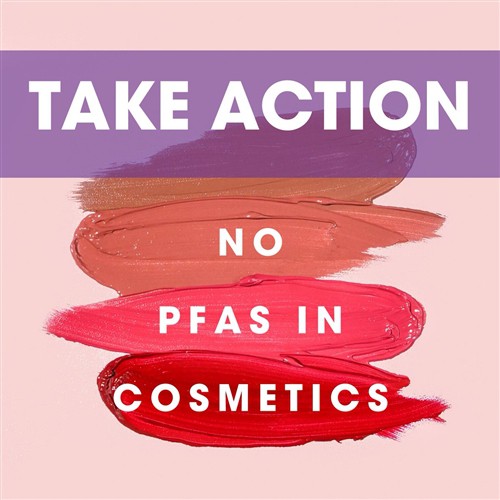
Santa Clara, California – July 2026 - The U.S. cosmetics industry is entering a new regulatory phase as lawmakers and regulators shift their focus from label disclosures to comprehensive screening of formulations and packaging materials. The "No PFAS in Cosmetics Act" (H.R....
During the packaging and transportation process for the European market, wooden lids and cardboard boxes often undergo multiple environmental changes, including cross-regional warehousing, sea or air transshipment, seasonal temperature differences, and humidity fluctuations. These climate...
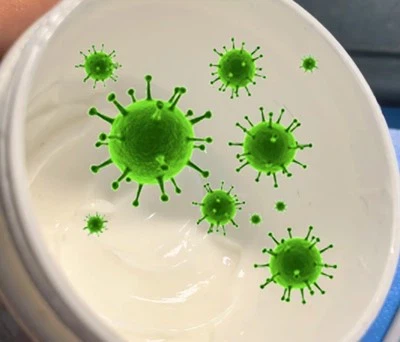
Why Do Caps Fail to Close or Leak? (Troubleshooting Seals) Packaging closures are not merely "covers"; they are dynamic, high-precision sealing systems. Resolving leaks or closure failures requires a close examination of container characteristics, mechanical tolerances, and production...
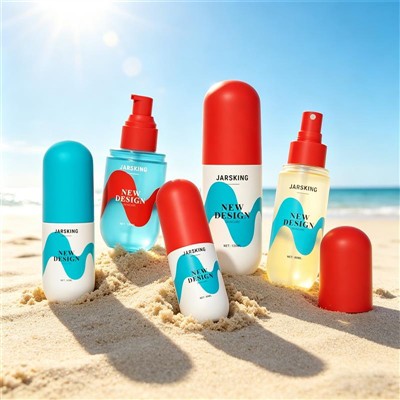
Why are PET plastic bottles easily damaged by heat? PET (polyethylene terephthalate) is one of the most widely used materials in cosmetic and personal care product packaging due to its high transparency, light weight, and low cost. However, it has a well-known weakness: low heat resistance....
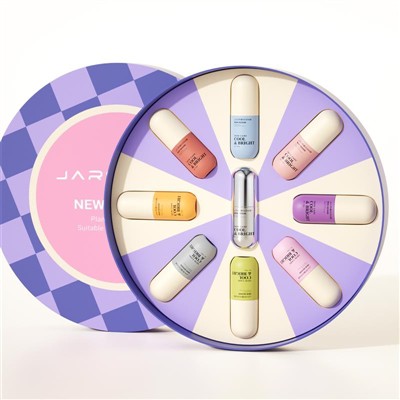
The root cause of the failure of custom cosmetic boxes 1. Insufficient cardboard basis weight and poor raw material quality The most common root cause of cardboard packaging failures is that the strength of the raw materials simply cannot meet the actual usage requirements. In the highly...
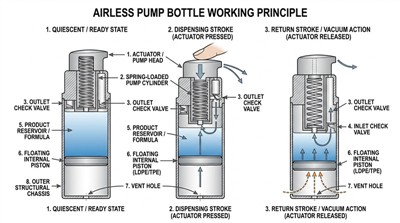
In the competitive landscape of modern cosmeceuticals, the gap between a transformative product and an inert one often has nothing to do with the active ingredient itself-and everything to do with how that ingredient is stored and dispensed. Vitamin C, retinol, and peptides represent three of...
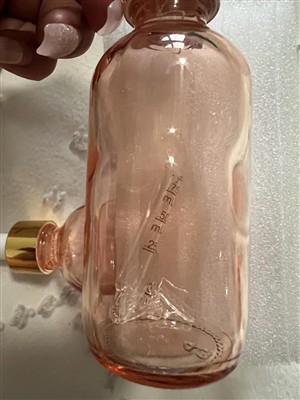
1. Design and Assembly Defects (Most Common Cause) This is the most likely point of failure. A packaging system requires all components to fit perfectly; any dimensional error in any part can lead to catastrophic consequences. Dropper Too Long: This is the primary point of suspicion. If the...
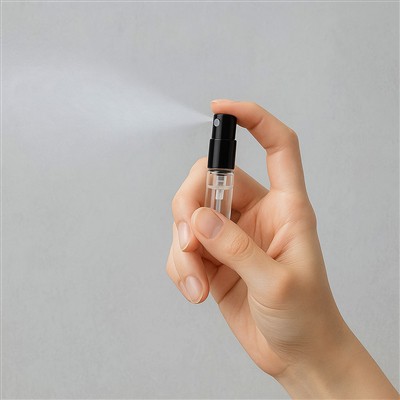
Your customers hold up their toner to their faces, expecting a refreshing, lightweight, plant-infused moisturizing spray. They press down. However, instead of a gentle "mist," a strong, splattering liquid comes out. This is a common packaging defect and can have serious consequences. For any product brand that relies on a perfect, gentle application, understanding the difference between a true "mist" and a regular "spray" is crucial.
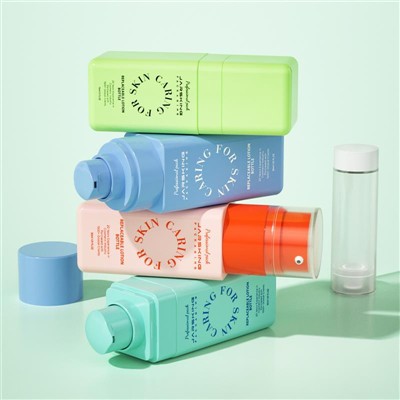
In the world of cosmetics, the daily ritual matters. The weight of the bottle in your customer’s hand, the scent of the formula, and, most critically, the feel of the pump as it dispenses your carefully crafted lotion or serum. This final step, the moment of delivery, can be the difference between a satisfied, loyal customer and a frustrated one-time buyer.
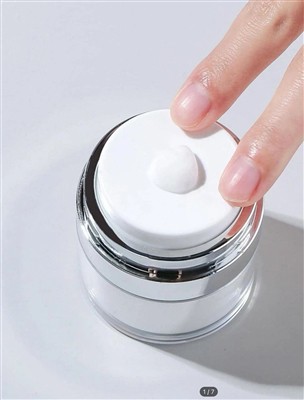
The failure of an airless jar upon refilling is a classic sign of a product not engineered for a multi-use life cycle. A high-performance, reusable jar is a feat of precision engineering.